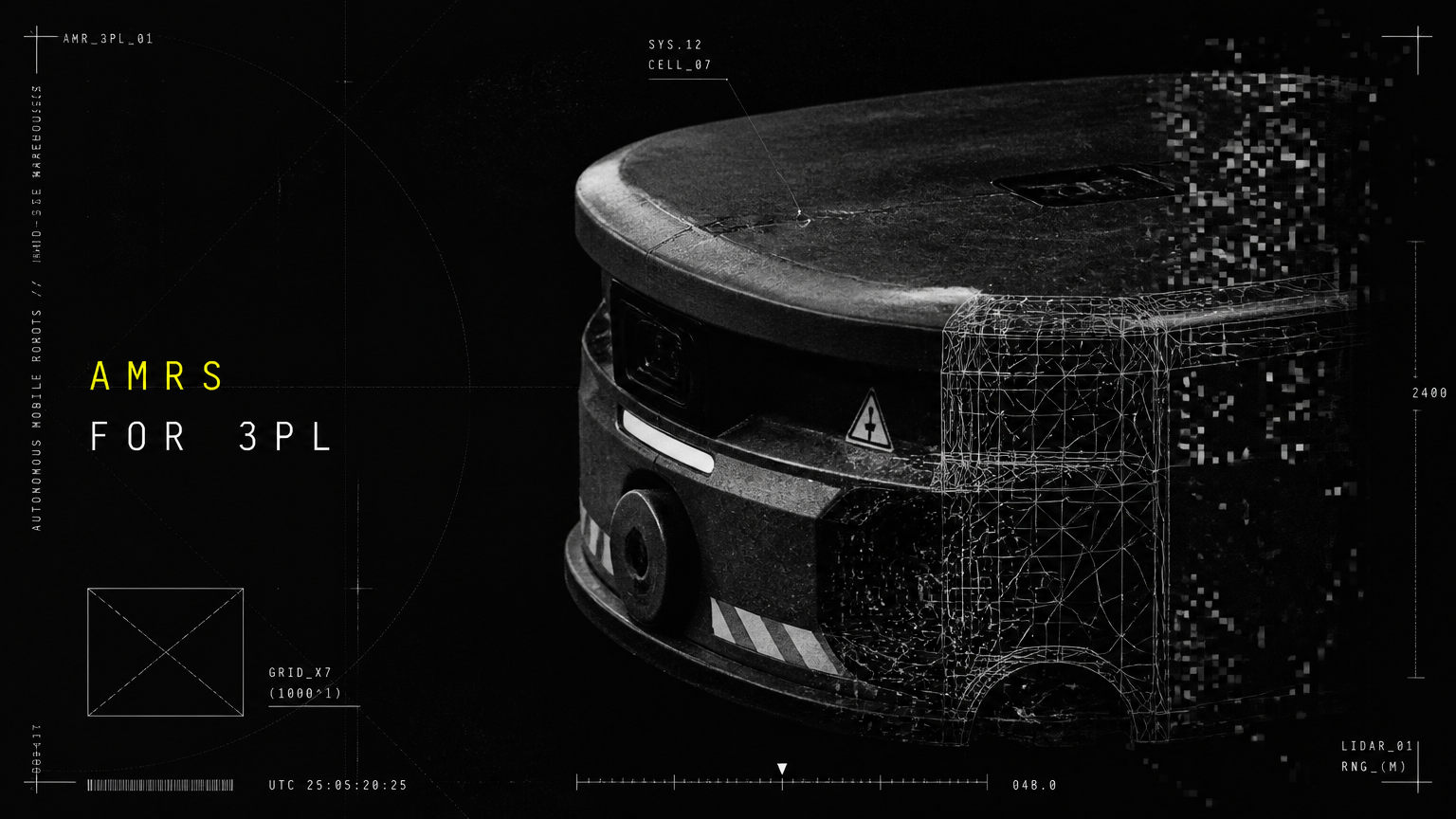
Autonomous Mobile Robots (AMRs) offer mid-size 3PL warehouses a practical solution to enhance operational efficiency, address labor shortages, and improve inventory management. This guide provides actionable insights for successful AMR adoption, from selection to integration and maximizing ROI.
The logistics landscape is evolving rapidly, and mid-size 3PL warehouses are at a critical juncture. Faced with escalating labor costs, persistent worker shortages, and the ever-increasing demands for faster fulfillment and greater accuracy, traditional manual processes are becoming unsustainable. This is where AMRs for mid-size warehouses emerge as a transformative technology, offering a pathway to not just survive but thrive in a competitive market.
The Mid-Size 3PL Challenge: Where AMRs Make a Difference
Mid-size 3PL warehouses, often characterized by their agility and ability to serve diverse client needs, face unique operational hurdles. Unlike their larger counterparts with vast capital, or smaller operations with simpler needs, mid-size players require solutions that are scalable, cost-effective, and integrate seamlessly without massive infrastructure overhauls.
Key Challenges AMRs Address:
- Labor Costs & Shortages: The most pressing issue for many 3PLs. AMRs can automate repetitive, physically demanding tasks like picking, sorting, and transport, freeing human workers for more complex, value-added roles. This directly combats rising labor expenses and the difficulty in finding and retaining staff.
- Inventory Movement Efficiency: Manual movement of goods is slow, prone to errors, and labor-intensive. AMRs can optimize routes, operate 24/7, and significantly increase throughput, ensuring goods move efficiently from receiving to shipping.
- Scalability & Flexibility: As client demands fluctuate, mid-size warehouses need systems that can adapt. AMRs can be easily scaled up or down by adding or reconfiguring units, offering unparalleled flexibility compared to fixed automation systems.
- Operational Consistency & Accuracy: Human error is inevitable. AMRs perform tasks with high precision and consistency, reducing mispicks, damage, and improving overall inventory accuracy.
- Space Utilization: With intelligent navigation and smaller footprints, AMRs can optimize warehouse layouts, navigate narrower aisles, and utilize vertical space more effectively, maximizing existing infrastructure.
Opportunities for Mid-Size 3PLs with AMRs:
- Enhanced Competitiveness: By improving efficiency and reducing costs, 3PLs can offer more attractive service level agreements (SLAs) and pricing to clients.
- Improved Client Satisfaction: Faster, more accurate fulfillment leads to happier clients and stronger business relationships.
- Data-Driven Operations: AMR systems generate valuable data on movement, bottlenecks, and inventory flow, enabling continuous optimization.
- Future-Proofing: Investing in automation positions the warehouse for future growth and technological advancements.
AMR Benefits for 3PL: Beyond Just Automation
The advantages of integrating AMRs into a 3PL operation extend far beyond simply automating tasks. They fundamentally reshape the operational paradigm, leading to significant strategic benefits.
| Feature | Traditional Manual Operations | AMR-Enhanced Operations |
|---|---|---|
| Labor Dependency | High reliance on human labor; susceptible to shortages, fatigue. | Reduced reliance on manual labor for repetitive tasks; human workers focus on skilled roles. |
| Throughput | Limited by human speed, shift schedules, and physical endurance. | 24/7 operation, consistent speed, optimized routes; significantly higher throughput. |
| Accuracy | Prone to human error (mispicks, misplacements). | High precision and consistency; reduced error rates. |
| Scalability | Difficult to scale rapidly; requires hiring/training new staff. | Easily scalable by adding/removing robots; flexible to demand fluctuations. |
| Safety | Risk of accidents (forklifts, manual lifting injuries). | Enhanced safety through obstacle avoidance, planned routes, reduced human-machine interaction risks. |
| Space Utilization | Often requires wider aisles, less dense storage. | Can navigate narrower aisles, optimize storage density. |
| Data Insights | Limited data on movement patterns and bottlenecks. | Rich data on robot performance, inventory flow, operational efficiency. |
| Operational Cost | High and fluctuating labor costs, benefits, training. | Lower long-term operational costs, predictable maintenance. |
These benefits translate directly into a stronger bottom line and a more resilient operation, crucial for mid-size 3PLs looking to gain an edge.
A Practical Guide to AMR Implementation: From Selection to Integration
Implementing AMRs successfully requires careful planning and a phased approach. For mid-size warehouses, the key is to find solutions that offer high impact without requiring prohibitive upfront investment or extensive facility modifications.
1. Assessing Your Needs and Goals
Before looking at any specific robot, clearly define what problems you want to solve and what outcomes you expect.
- Identify Bottlenecks: Where are the slowest points in your current workflow? Picking, putaway, cross-docking, or internal transport?
- Quantify Labor Gaps: How many hours are spent on repetitive tasks that could be automated? What is the cost associated with these tasks?
- Define Key Performance Indicators (KPIs): What metrics will define success? (e.g., X% increase in throughput, Y% reduction in labor costs, Z% improvement in order accuracy).
- Evaluate Infrastructure: What are your current warehouse dimensions, floor conditions, Wi-Fi coverage, and existing WMS/ERP systems?
2. Selecting the Right AMR Fleet
Not all AMRs are created equal. Allbotix, for instance, offers a diverse fleet engineered for various industrial applications, including logistics. When choosing, consider:
- Payload Capacity & Size: Does the robot match the size and weight of the items it needs to transport (e.g., totes, pallets, individual items)?
- Navigation Technology: SLAM (Simultaneous Localization and Mapping) is common, but look for robust navigation that handles dynamic environments and potential obstacles.
- Integration Capabilities: How easily can the AMR system integrate with your existing Warehouse Management System (WMS) or Enterprise Resource Planning (ERP) software? Allbotix's proprietary AI fleet-management software is designed for seamless integration and real-time monitoring.
- Safety Features: Collision avoidance, emergency stops, and human-robot interaction protocols are paramount.
- Scalability: Can you start with a few robots and easily add more as your needs grow?
- Vendor Support: Look for comprehensive support, including installation, training, maintenance, and troubleshooting. Allbotix prides itself on 24/7 Premium Support.
3. Phased Implementation Strategy
For mid-size warehouses, a "big bang" approach can be risky. A phased rollout is often more effective.
- Pilot Project: Start with a small, contained area or a specific workflow (e.g., automating transport between two zones). This allows you to test the technology, gather data, and refine processes with minimal disruption.
- Gradual Expansion: Once the pilot is successful, gradually expand the AMR deployment to other areas or workflows.
- Employee Training & Engagement: Crucially, involve your human workforce from the start. Train them on how to interact with AMRs, explain the benefits, and emphasize that robots are tools to augment, not replace, their jobs.
4. Integration and Software
The "brains" behind the robots are just as important as the hardware. Allbotix's in-house engineered proprietary AI fleet-management software is a key differentiator. It provides:
- Real-time Monitoring: Track robot location, status, battery levels, and task completion.
- Predictive Maintenance: Utilize data to anticipate potential issues, minimizing downtime and ensuring 99.8% uptime, a claim Allbotix stands by.
- Task Optimization: Intelligently assign tasks, optimize routes, and manage traffic flow for maximum efficiency.
- Seamless WMS/ERP Communication: Ensure smooth data exchange between your existing systems and the AMR fleet for coordinated operations.
Cost of AMRs for Warehouses: Understanding ROI
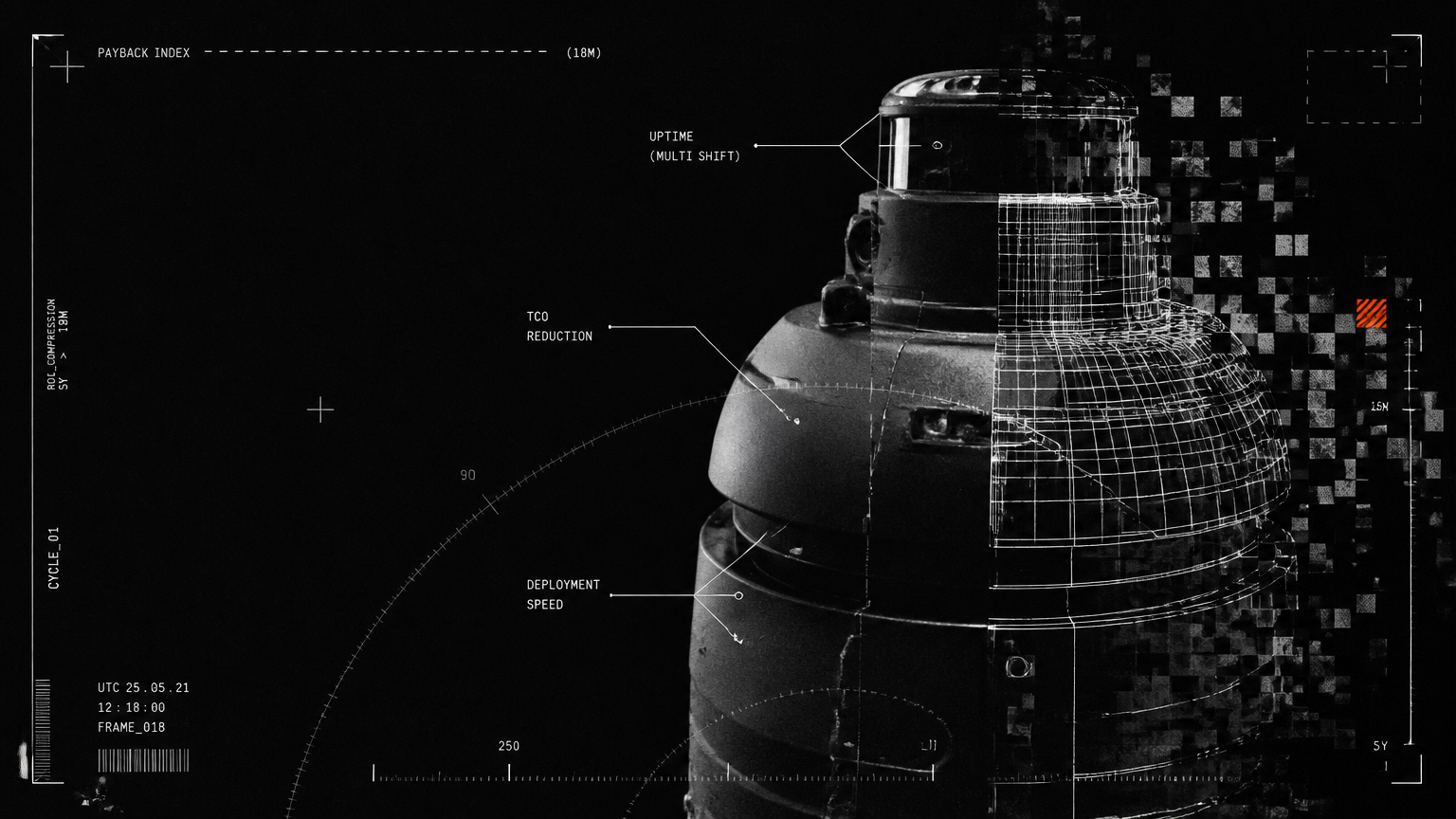
While the initial investment in AMRs might seem significant, the return on investment (ROI) can be substantial, often with payback periods much shorter than anticipated. The average robot payback time has dropped significantly, with well-run deployments seeing 10:1 to 30:1 ROI within 18 months.
Factors Influencing AMR Costs:
- Number of Robots: More robots mean higher upfront costs.
- Robot Type & Features: Payload, speed, navigation complexity, and specialized attachments all impact price.
- Software & Integration: The cost of the fleet management system and its integration with existing IT infrastructure.
- Infrastructure Modifications: While AMRs are less demanding than fixed automation, minor adjustments (e.g., Wi-Fi upgrades) might be needed.
- Maintenance & Support: Ongoing costs for parts, service, and software updates.
Calculating ROI:
To justify the investment, perform a thorough ROI analysis. Consider:
- Labor Savings: Reduced need for manual labor hours, overtime, and associated benefits.
- Increased Throughput: Higher volume of goods processed per hour/day.
- Reduced Errors & Damage: Savings from fewer mispicks, returns, and damaged goods.
- Improved Space Utilization: Potential to delay or avoid warehouse expansion.
- Safety Improvements: Reduced workplace accidents and associated costs.
- Enhanced Customer Satisfaction: Indirect benefits from faster, more accurate service.
Allbotix: Your Partner for Mid-Size Warehouse Automation
Allbotix stands out as a unique partner for 3PL operators seeking to implement AMRs. Unlike companies that assemble solutions from off-the-shelf components, Allbotix engineers and deploys a broad, multi-vertical fleet of service and industrial robots, including AMRs, paired with proprietary AI fleet-management software built entirely in-house.
Allbotix's Unique Value Proposition for 3PL Operators:
- Diverse & Precision-Engineered Fleet: Allbotix doesn't offer a one-size-fits-all solution. With a broad range of robots, including AMRs, they can tailor a fleet to your specific mid-size warehouse needs, whether it's for pallet transport, tote movement, or specialized picking assistance. Their "precision engineering" ensures robust and reliable machines.
- Proprietary AI Fleet-Management Software: This in-house developed software is a game-changer. It provides real-time visibility, predictive maintenance (contributing to their 99.8% uptime), and intelligent task allocation, ensuring your AMR fleet operates at peak efficiency. Full IP ownership of design, firmware, and source code means unparalleled control and customization.
- Tailored Engineering Approach: Allbotix designs machines "to a client's specific precision/ambition/scale, not off-the-shelf." This is crucial for mid-size warehouses that need solutions optimized for their unique layouts and operational flows, rather than trying to fit their operations into a generic robot's capabilities.
- Proven Track Record & Support: With 525+ robots developed and 180+ happy clients, Allbotix brings significant experience. Their 24/7 Premium Support ensures that any operational queries or issues are addressed promptly, minimizing downtime.
- Backed by Nanta Tech Limited: As a company backed by the publicly listed Nanta Tech Limited, Allbotix offers a level of credibility and stability that instills confidence in long-term partnerships.
- Made-in-India Manufacturing: Scaled via their partnership with Aimtron Technologies, this ensures quality control and efficient supply chains.
By partnering with Allbotix, mid-size 3PL warehouses can leverage cutting-edge robotics and AI to overcome operational challenges, boost efficiency, and secure a competitive advantage in the dynamic logistics sector.
Conclusion
The adoption of AMRs is no longer a futuristic concept but a practical necessity for mid-size 3PL warehouses aiming for sustained growth and profitability. By strategically implementing AMRs for mid-size warehouses, operators can address critical issues like labor shortages, optimize inventory movement, and achieve significant ROI.
Allbotix offers a comprehensive and tailored approach, combining a diverse, precision-engineered fleet with proprietary AI-driven fleet management software and unwavering support. Explore how Allbotix can transform your mid-size warehouse operations and elevate your competitive edge.
Ready to revolutionize your mid-size warehouse operations with intelligent automation?
Contact Allbotix today to discuss a tailored AMR solution for your 3PL needs.