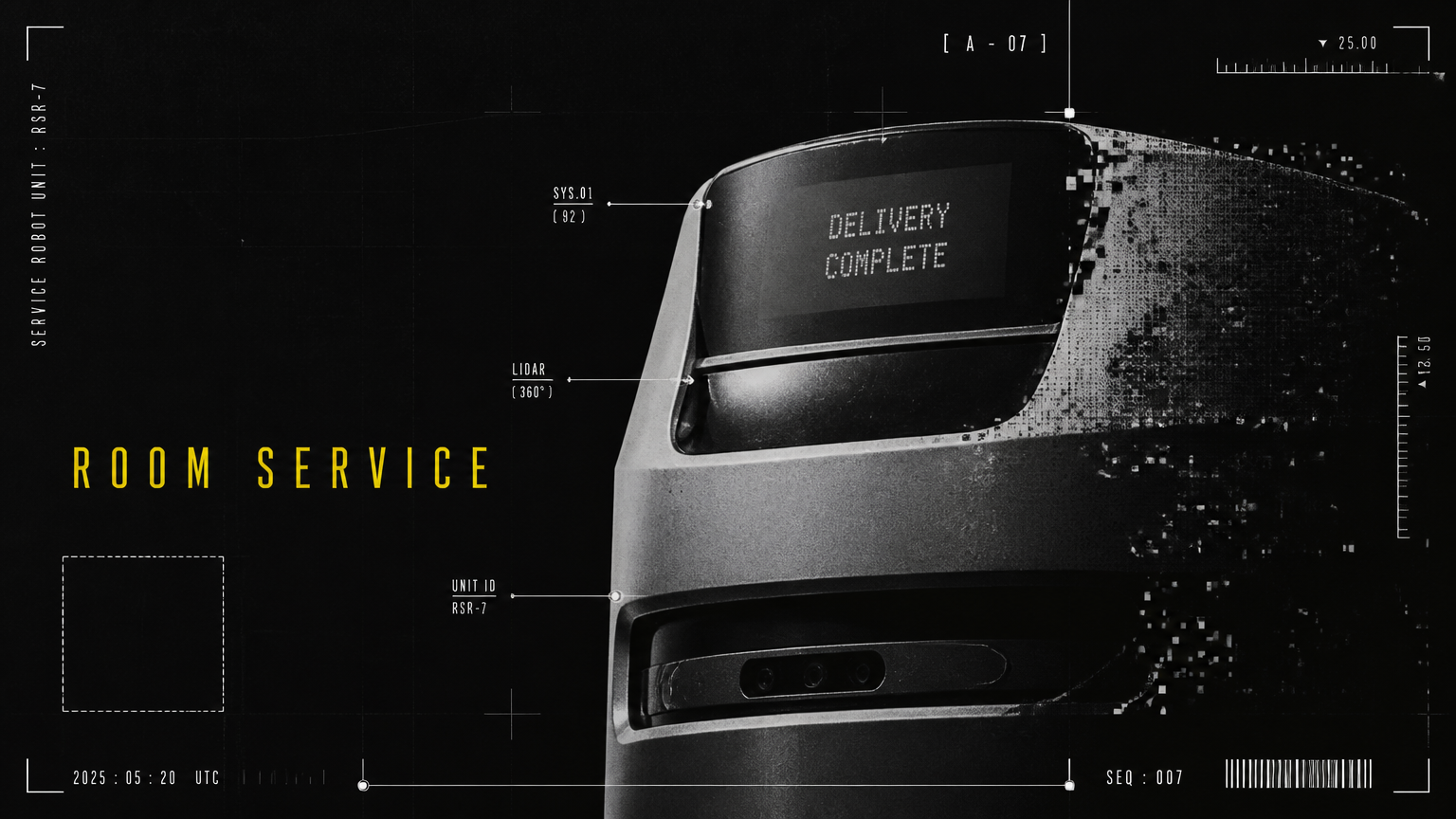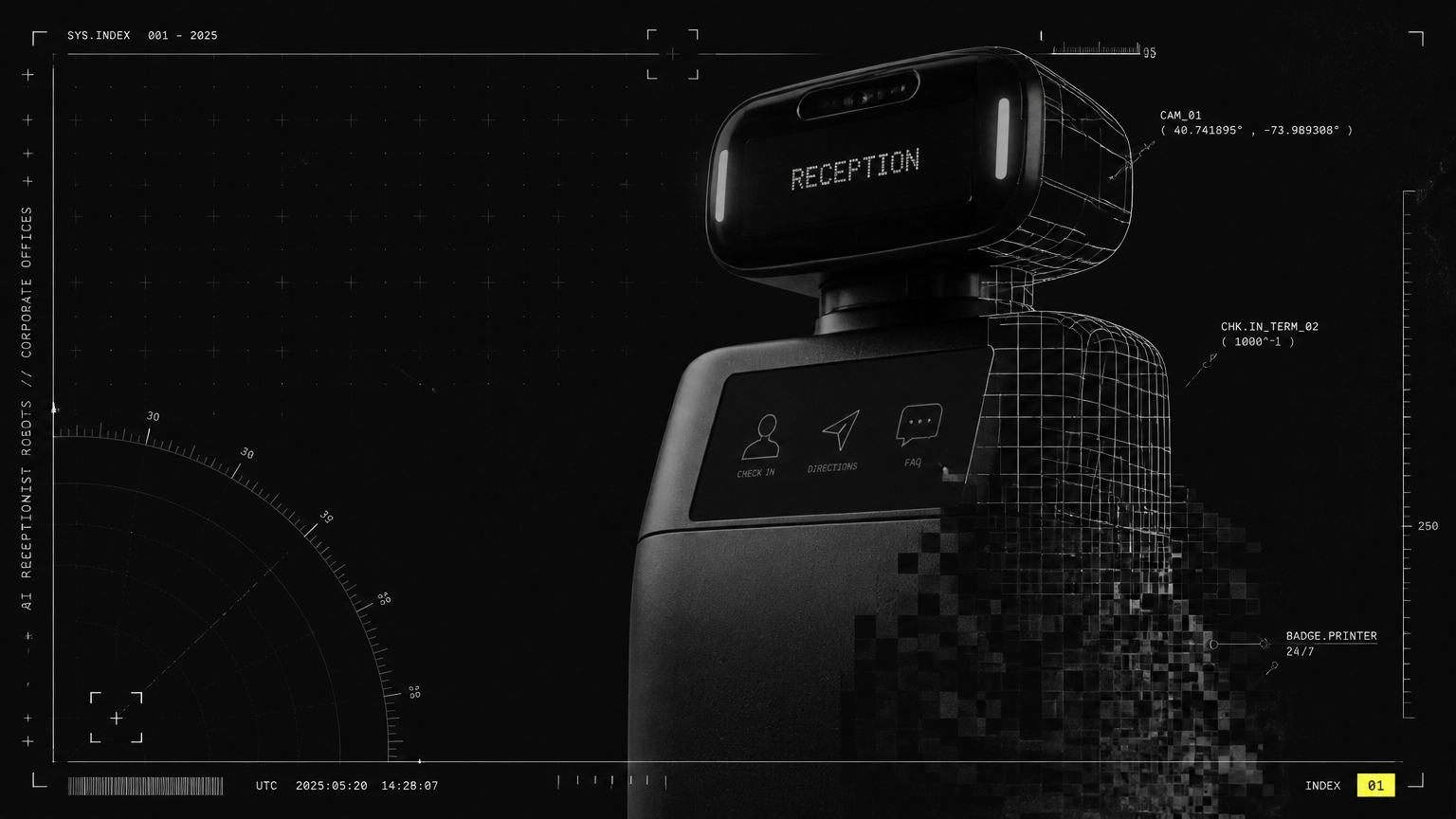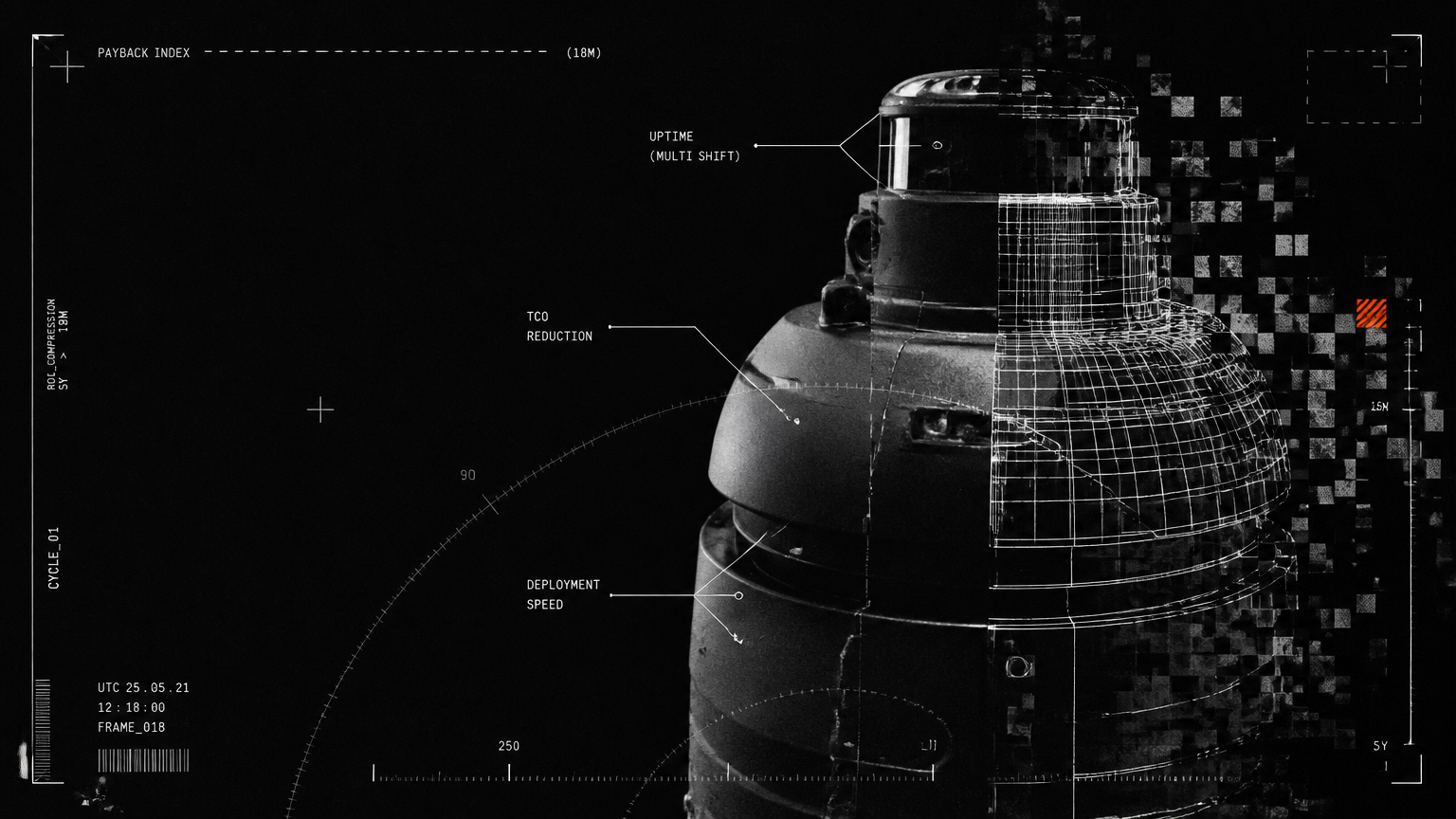
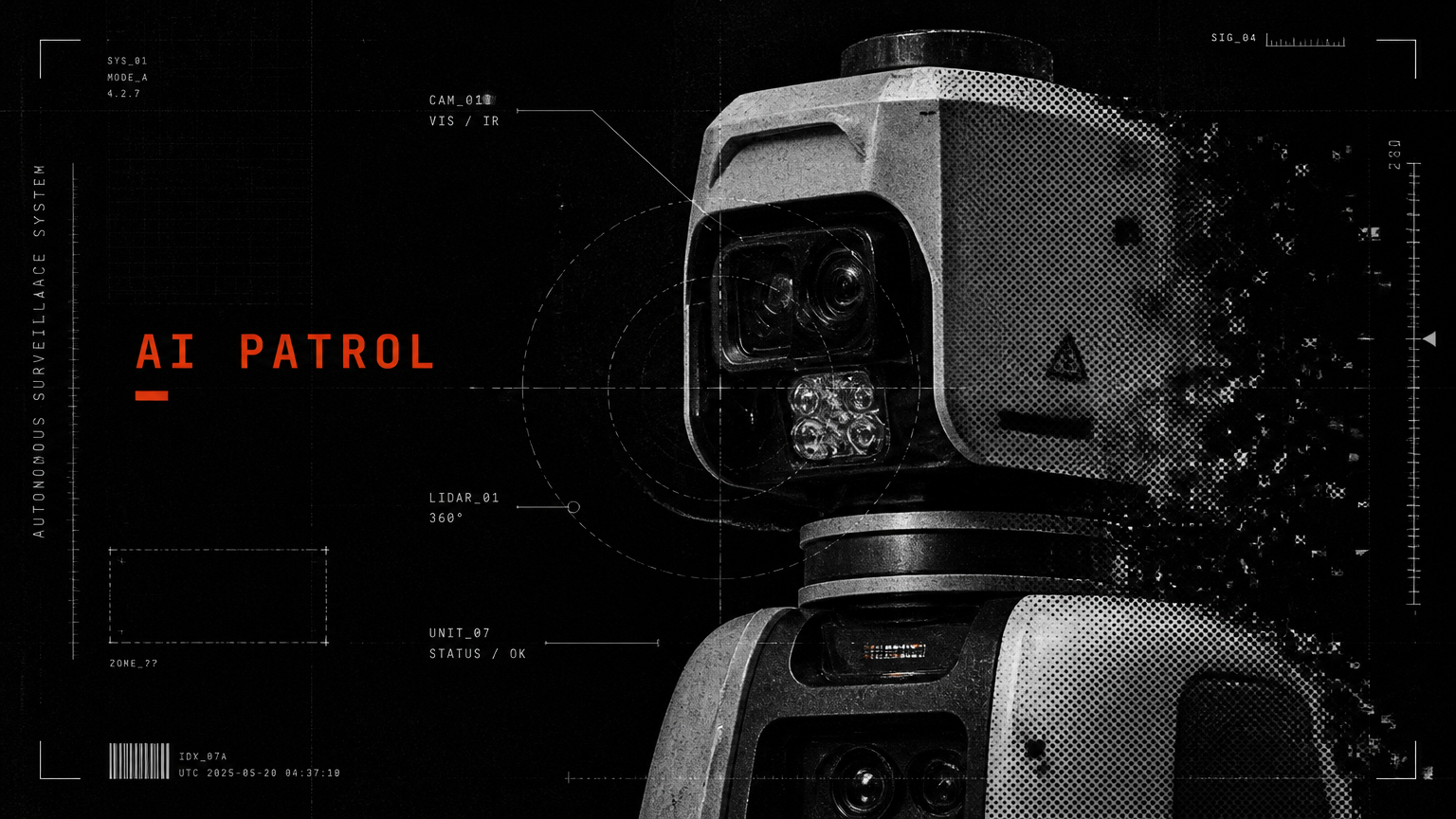
Quick answer: AI-powered patrol robots are changing physical security in India by delivering 24/7 autonomous patrolling, AI-based detection and instant alerts across corporate campuses, malls, airports, hospitals and industrial sites. They help organizations overcome guard shortages, high staffing costs and coverage gaps while improving consistency, transparency and incident response.
In this guide to AI patrol robots India, we break down how autonomous security robots India deployments actually work in dense, high-footfall Indian environments, where they deliver the most value, and how facility and security leaders can deploy them alongside human teams for reliable, round-the-clock coverage.
Why Physical Security in India Needs a New Model
Corporate campuses in Bengaluru and Hyderabad, malls in Mumbai and Delhi NCR, hospitals in Chennai, industrial parks in Pune and transit hubs across the country share the same pressure: larger areas to protect, higher visitor volumes, and rising expectations for safety and transparency.
At the same time, security leaders face three persistent constraints:
1. Guard shortages and turnover: Hiring, training and retaining guards for night shifts, perimeter posts and sprawling campuses is increasingly difficult, especially for 24/7 posts.
2. High cost of manual coverage: Adding more guards to cover more gates, basements, terraces and perimeters scales linearly in cost, but not in consistency or visibility.
3. Coverage gaps: Fixed CCTV covers fixed angles. Human patrols cannot be everywhere at once. Incidents in stairwells, parking lots, vacant floors, warehouse aisles or perimeter stretches often go unnoticed until it is too late.
This is where AI-powered surveillance robots fit. Not as a replacement for people or cameras, but as a mobile, intelligent layer that patrols autonomously, watches in 360 degrees, detects anomalies, and escalates instantly to the control room.
How AI Patrol Robots India Navigate Dense, Dynamic Indian Sites
A modern security patrol robot India deployment is far more than a camera on wheels. It combines autonomous navigation, multi-sensor perception, AI analytics and fleet connectivity to operate reliably in Indian conditions — crowded lobbies, mixed indoor-outdoor routes, low light, dust, heat and unpredictable movement.
Autonomous navigation in dense foot traffic
Autonomous security robots India platforms use LiDAR, depth cameras, ultrasonic sensors and SLAM-based mapping to build a live map of their environment. They follow pre-defined patrol routes while dynamically avoiding people, trolleys, luggage, wheelchairs, parked vehicles and temporary barricades.
For Indian sites, this matters enormously. An IT park atrium at 9:30 AM, a mall food court on a weekend, or an airport arrival hall does not allow for rigid, line-following robots. The robot must slow down, yield, reroute and resume its patrol without human intervention, while logging every deviation for audit.
Advanced fleets also support multi-floor patrolling with elevator integration, auto-docking for charging, and automatic resumption of missions after charging — enabling true 24/7 operation with minimal supervision.
360-degree surveillance and mobile deterrence
Unlike a fixed camera, AI-powered surveillance robots provide mobile, eye-level presence. Typical configurations include 360-degree cameras, PTZ zoom cameras, thermal imaging, two-way audio, flashing deterrent lights and pre-recorded announcements.
This creates two effects. First, better evidence: the robot captures close-range, multi-angle video as it moves, covering blind spots between fixed cameras. Second, deterrence: a well-lit, clearly visible robot doing predictable rounds discourages loitering, trespassing, tailgating and petty theft in parking basements, service corridors and perimeter roads.
Night patrolling and anomaly detection
Night shifts are where consistency drops and risk rises. Patrol robots excel here.
Equipped with low-light and infrared cameras, thermal sensors and AI analytics, they can:
- Detect human presence in restricted zones after hours
- Flag loitering, crowd formation, fallen persons or unattended objects
- Recognize smoke, unusual heat signatures or open doors in no-access areas
- Record license plates and monitor vehicle movement in parking and loading bays
- Trigger lights, sirens or voice warnings and push instant alerts with video clips
Instead of reviewing hours of footage after an incident, control-room teams receive event-based alerts — what happened, where, and live video to assess and respond.
Control-room integration and fleet management
The real multiplier is software. Each robot streams telemetry, location, battery status and live or event video to a centralized dashboard. Security managers can monitor multiple sites, assign patrol missions, define no-go zones, review incident timelines and generate patrol-completion reports.
This is central to the Allbotix approach. Allbotix engineers its robots in-house with full IP ownership of design, firmware and source code, paired with proprietary AI fleet-management software for real-time monitoring and predictive maintenance. Rather than assembling off-the-shelf parts, the company builds machines engineered to a client's specific scale and precision needs — a model that has supported 525+ robots developed and 180+ clients with 99.8% uptime.
For security operations, that means patrols are verifiable, not assumed. Every round, checkpoint, alert and response is logged, creating transparency for audits, compliance and client reporting.
Where the Impact Is Biggest: Verticals Adopting Patrol Robots for Malls and Airports and Beyond
Robotic patrol for corporate campuses, IT parks and office parks
For corporate and IT campuses, robotic patrol for corporate campuses solves a familiar problem: large perimeters, multiple towers, basements and amenity areas that need constant coverage without inflating guard headcount.
Robots handle repetitive perimeter loops, basement and parking patrols, after-hours floor checks and visitor-area deterrence, while human guards focus on front-desk verification, access control and incident handling. Facility heads gain consistent patrol logs, reduced overtime for night shifts, and a visible technology upgrade that aligns with the campus brand.
Government facilities and public infrastructure
Government and public-service sites need 24/7 robot monitoring for public spaces under tight staffing budgets, with high expectations for transparency. Secretariat complexes, municipal offices, courts, museums and civic plazas use autonomous patrols for perimeter vigilance, queue-area monitoring and night surveillance of vacant blocks.
Because every patrol and alert is digitally recorded, robotic patrolling supports public-service transparency and easier incident review compared to paper-based guard tour registers.
Retail, malls and large-format showrooms
Patrol robots for malls and airports are among the fastest-growing use cases. In malls, robots patrol common corridors, atriums, multiplex lobbies, parking levels and service entries — deterring shoplifting support activity, managing after-hours intrusion risk, and providing visitor reassurance during peak footfall.
Retail operators also value brand differentiation. A well-designed patrol robot signals modern, safe premises, complementing AI greeters and cleaning robots already visible in large-format stores.
Universities, training centers and large education campuses
Sprawling universities with hostels, libraries, sports grounds and parking areas cannot be covered by a thin security team alone. Patrol robots cover hostel perimeters, late-night library routes, parking lots and isolated pathways, with two-way audio to communicate with students and escalate to wardens or control rooms.
Combined with visitor-management and cleaning automation, this creates a safer, better-maintained campus without proportionally increasing support staff.
Hospitals, hotels, plants, warehouses and transit hubs
- Healthcare: Hospitals face round-the-clock strain, with emergency entries, parking, pharmacies and utility areas needing constant watch. Robots patrol without adding to non-clinical staff load and operate quietly through night corridors and basements.
- Hospitality: Hotels and resorts use night patrols for pools, banquet corridors, parking and service gates, maintaining guest safety while keeping visible guard presence discreet.
- Manufacturing and logistics: Plants and warehouses deploy robots for perimeter roads, raw-material yards, finished-goods areas and high-bay aisles. Thermal sensing and anomaly detection help flag intrusions, unsafe gatherings or equipment heat anomalies early, supporting efforts to cut unplanned downtime.
- Airports and transit hubs: High-density public infrastructure demands continuous, auditable patrols across terminals, parking, metro connectors and cargo gates. Mobile robots fill gaps between fixed cameras and CISF or security personnel, providing persistent presence and instant video escalation.
Traditional Guarding vs Fixed CCTV vs Autonomous Security Robots India
Security leaders often ask where robots fit relative to existing investments. The practical answer is that each layer has a distinct role.
| Criterion | Human Guards | Fixed CCTV | AI-Powered Patrol Robots |
|---|---|---|---|
| Coverage style | Fixed posts + manual rounds | Fixed angles, blind spots between cameras | Mobile 360-degree coverage on programmed routes |
| 24/7 consistency | Affected by fatigue, attrition, night-shift gaps | Always on, but no active deterrence or movement | Autonomous 24/7 patrolling with auto-charging and mission resume |
| Detection | Human observation, variable | Passive recording, manual review | AI-based anomaly detection with instant video alerts |
| Deterrence | Strong interpersonal authority | Low visible deterrence | High visible deterrence with lights, audio and movement |
| Audit and transparency | Paper registers, variable reporting | Footage review after incident | Digital patrol logs, checkpoint proof, event timelines |
| Best use | Access control, verification, incident intervention | Area recording and forensics | Repetitive patrols, perimeters, basements, night coverage, gap-filling |
The highest ROI comes not from replacing one layer, but from orchestrating all three — with robots handling the dull, distant and dangerous rounds.
Deploying AI Patrol Robots India Alongside Human Guard Teams
Successful deployments in India treat robots as force multipliers for existing teams.
1. Start with the right missions: Map repetitive, high-mileage tasks first — perimeter loops, parking basements, warehouse perimeters, hostel-to-academic-block connectors, hospital service yards. Keep human guards at decision points: main gates, reception, emergency response and customer interaction.
2. Integrate with SOPs and control rooms: Define what triggers an alert, who receives it, and what the response playbook is. Robots should push concise, actionable alerts — intrusion in Zone C, loitering at Basement P2, thermal anomaly near utility room — with live video, not raw streams. Integration with VMS, access control and PA systems makes escalation faster.
3. Manage centrally with fleet software: For multi-tower campuses or multi-site portfolios, centralized fleet management is essential. Live location, battery health, patrol completion rates and incident dashboards allow a small control-room team to supervise a large robotic fleet across cities, with predictive maintenance to prevent downtime.
4. Plan for Indian site realities: Ensure route mapping accounts for monsoon waterlogging zones, ramp gradients, speed breakers, reflective flooring, glass facades and elevator protocols. Pilot in one zone, validate detection accuracy and false-alarm rates, then scale route by route.
5. Prioritize uptime and serviceability: Continuous patrolling only works if robots stay online. Look for Made-in-India manufacturing, local spares, on-ground service and 24/7 support. Allbotix, backed by publicly listed Nanta Tech Limited and scaled via its Aimtron Technologies manufacturing partnership, pairs in-house engineering with 24/7 Premium Support to sustain its 99.8% uptime benchmark — a critical factor for security SLAs where every missed night round is a risk.
This human-plus-robot model also helps with change management. Guards upskill from walking long rounds to operating dashboards, handling exceptions and managing incidents — higher-value, less fatiguing work that improves retention.
What to Look for in a Security Patrol Robot India Partner
When evaluating autonomous security robots India options, operations leaders should look beyond headline specs:
- In-house engineering and IP ownership for customization to site layouts and SOPs
- Proven navigation in dense crowds and mixed indoor-outdoor Indian environments
- Night vision, thermal sensing and robust AI detection with low false alarms
- Open integration with existing CCTV, access control and command centers
- Proprietary fleet management with real-time monitoring and predictive maintenance
- Made-in-India service network, spares availability and 24/7 support for continuous uptime
- Cross-vertical experience — from corporate and retail to healthcare, education and industrial sites — so best practices transfer to your facility
Breadth matters here. A partner that already deploys receptionist, cleaning, delivery, AMR and humanoid fleets understands how security patrols coexist with housekeeping, front-desk and logistics workflows, rather than operating in isolation.
The Road Ahead for 24/7 Robot Monitoring for Public Spaces
As campuses grow larger and public spaces stay active longer, the expectation is shifting from periodic guard rounds to provable, always-on vigilance. AI patrol robots make that shift economically viable — delivering consistent presence, instant detection and complete digital records without linearly scaling manpower.
For Indian organizations balancing cost, compliance and citizen or employee safety, the question is no longer whether mobile robotic patrols belong in the security mix, but how quickly they can be piloted, integrated and scaled.
If you manage a corporate campus, mall, hospital, university, plant, warehouse or transit facility and want to extend 24/7 coverage with greater consistency and transparency, talk to Allbotix for a site assessment and pilot patrol plan. With precision engineering, limitless innovation, and a Made-in-India fleet backed by 24/7 Premium Support, Allbotix can help you design autonomous patrols that augment your guards, strengthen your control room, and keep your premises secure around the clock.