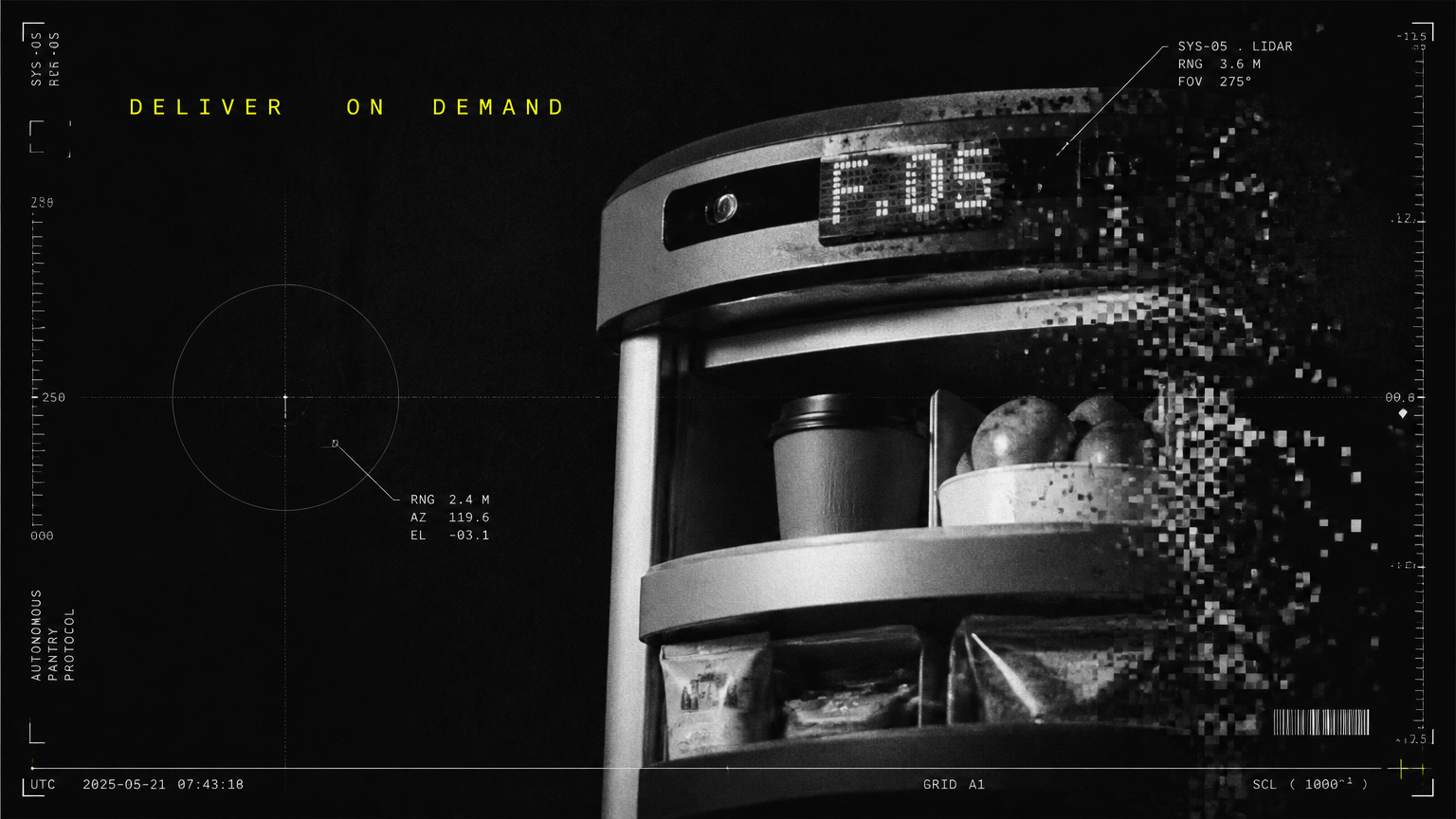
Quick answer: Corporate campuses are automating pantry and refreshment delivery with autonomous serving and delivery robots that navigate floors, elevators and dense foot traffic to deliver tea, coffee, snacks and meals on-demand. Paired with fleet-management software, these office food delivery robots cut front-desk and pantry staffing load while ensuring faster, consistent, 24/7 refreshment service.
For facility, admin and workplace experience managers, the pantry has become a bottleneck. On IT campuses, office parks and co-working spaces with 500 to 5,000+ occupants, peak-hour tea, coffee and snack runs overwhelm pantry staff, clog corridors, and create inconsistent service. That is why corporate campus automation now extends beyond access control and cleaning to the office refreshment delivery system itself.
Instead of adding more runners for every floor, campuses are deploying a pantry delivery robot for office buildings — an autonomous pantry delivery robot that runs scheduled rounds and on-demand orders across floors, towers and cafeterias.
Why Corporate Campus Automation Now Includes the Pantry
Workplace expectations have changed. Employees expect hotel-like, on-demand service at work: order chai from a QR code, get snacks delivered to a meeting room, have coffee arrive hot without leaving a desk. At the same time, admin teams face flat headcounts, high attrition among pantry and housekeeping staff, and pressure to control facility opex.
Three pressures make pantry automation urgent:
1. Dense foot traffic and peak-hour surges
Morning check-ins, lunch breaks and evening chai breaks create 60- to 90-minute spikes. Lifts are full, corridors are crowded, and manual trolleys get stuck. A single pantry team cannot serve five floors simultaneously without delays.
2. Rising staffing load for low-value trips
Facility audits consistently show that 40-60% of pantry staff time goes to walking, waiting for elevators, and searching for recipients — not preparing food. Front-desk teams get pulled in to coordinate deliveries, handle complaints and re-route missed orders.
3. Consistency, hygiene and experience gaps
Manual delivery varies by shift, person and workload. Spills, cold coffee, missed meeting-room orders and unhygienic handling hurt workplace experience scores. For tech parks and co-working hubs competing for tenants and talent, that inconsistency is a brand risk.
Automating refreshment movement solves the logistics problem without expanding headcount.
How an Office Food Delivery Robot Works on a Live Corporate Campus
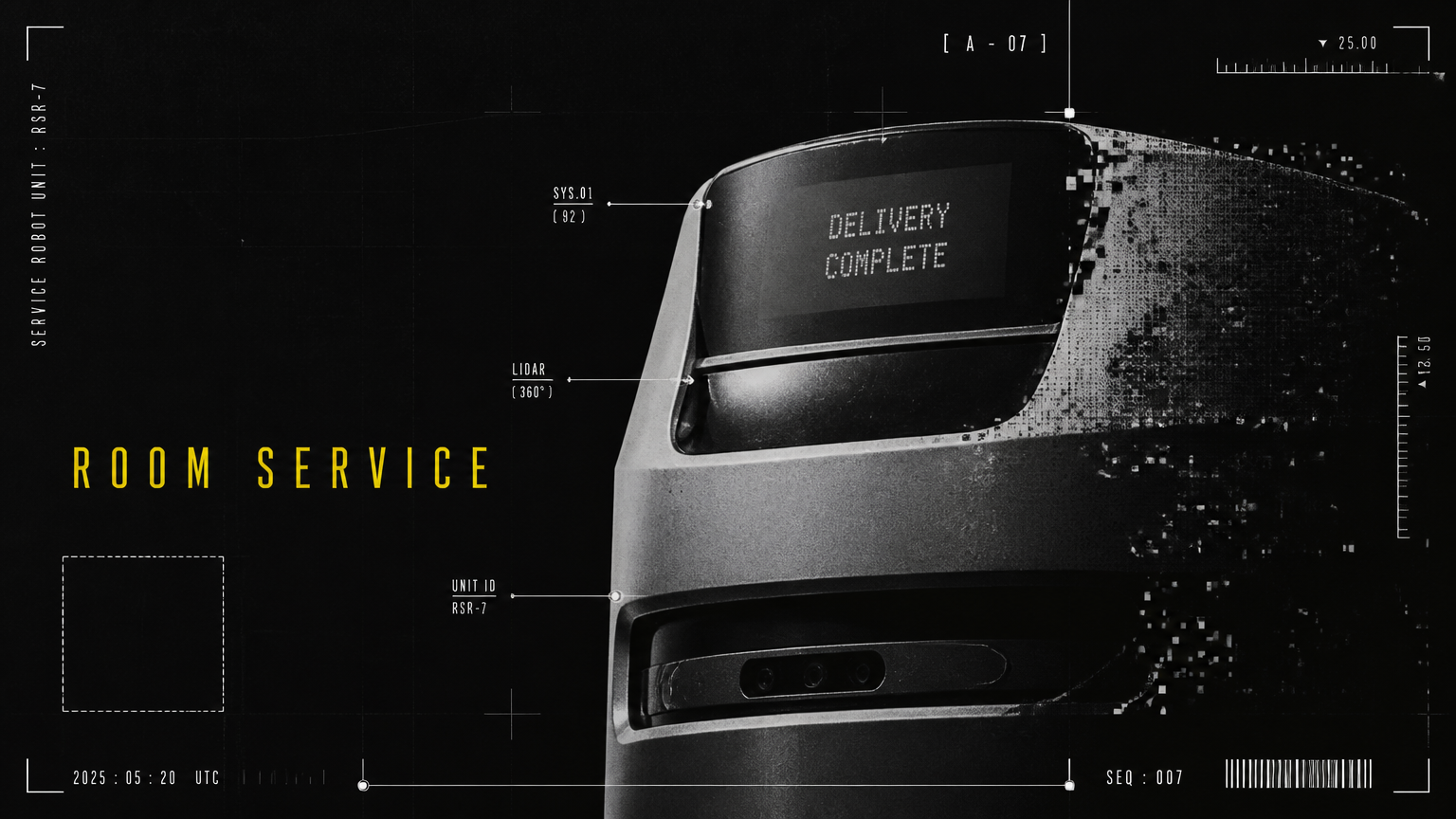
A workplace food delivery robot is not a novelty on wheels. It is a connected service AMR purpose-built for food and beverage transport, integrated with building systems and facility workflows.
Here is how deployment works in live environments:
Autonomous navigation in dense foot traffic
An office food delivery robot uses LiDAR, depth cameras, ultrasonic sensors and AI path planning to map lobbies, cafeterias, corridors and open offices. It creates a centimeter-accurate indoor map during commissioning, then localizes in real time.
In practice, this means the robot:
- Slows down and yields in crowded atriums and cafeteria queues
- Navigates around people, cleaning equipment, luggage and temporary barriers
- Uses voice prompts, lights and display messages to signal turns and stops
- Operates safely alongside an office service robot for tea and coffee delivery fleets and cleaning robots on the same floor
Allbotix serving and delivery platforms are engineered in-house — design, firmware and source code — rather than assembled from off-the-shelf parts, which allows navigation behavior to be tuned for corporate density, not just restaurant aisles.
Elevator integration and multi-floor delivery
Multi-floor delivery is where most pilots fail. A true autonomous pantry delivery robot must call elevators, select floors, enter and exit safely, and recover if a lift is full.
Modern deployments use elevator integration via API or IoT relay controller. The workflow is:
- Employee or pantry operator places an order for Floor 7, Meeting Room B
- Fleet software assigns the nearest robot and reserves an elevator slot
- Robot navigates to the lift lobby, triggers the call, boards when doors open
- After exiting on the target floor, it navigates to the drop point and notifies the recipient via SMS, display and voice
This enables one fleet to serve a tower, not just one pantry. For campuses with multiple blocks, robots run fixed inter-building routes or stay zone-assigned with handover points.
Scheduling, ordering and fleet-management software
Hardware alone does not scale. The office refreshment delivery system is managed through proprietary AI fleet-management software with real-time monitoring and predictive maintenance.
Typical facility workflows include:
- Scheduled rounds: Morning tea at 10:30, evening snacks at 16:30 across designated floors
- On-demand orders: QR, kiosk, Teams/Slack integration or pantry dashboard orders routed to the next available robot
- Fleet orchestration: Load balancing across 3-10 robots, auto-return to pantry for reload and charging, queue management during peaks
- Monitoring: Live location, delivery status, battery health, tray open/close events and exception alerts for the admin team
Allbotix pairs its serving, cleaning and AMR fleets with this software layer, giving facility managers a single pane for uptime, task completion and maintenance. Across deployments, Allbotix reports 99.8% uptime backed by 24/7 Premium Support — critical when refreshment SLAs are tied to employee experience.
Office Food Delivery Robot vs. Manual Pantry Staff: The Operational Payoff
Facility leaders do not ask if robots are interesting. They ask what it saves in staff time, cost and complaints versus adding more pantry runners.
| Comparison Criterion | Manual Pantry Runners | Office Food Delivery Robot Fleet |
|---|---|---|
| Peak-Hour Throughput | 1 runner serves 1 floor at a time, limited by elevator waits and walking distance | 1 robot runs continuous loops; 3-4 robots cover 5-8 floors in parallel during peaks |
| Staffing Cost and Attrition | Recurring cost for runners, high turnover, training and shift gaps | One-time deployment + AMC; pantry staff redeployed to preparation and hospitality |
| Service Consistency | Varies by person, shift and workload; cold drinks and missed rooms common | Fixed routes, enclosed trays, timed deliveries and digital proof of delivery |
| Hygiene and Contact Safety | Open trays, multiple hand-offs, spill risk | Enclosed, easy-to-sanitize compartments with minimal human touch |
| Availability | Limited to pantry shifts, breaks and holidays | 24/7 on-demand service for night shifts, BPO floors and weekend teams |
| Tracking and Accountability | Verbal updates, no audit trail | Live dashboard with order status, delivery time, tray events and alerts |
| Scalability | Add headcount linearly for each new floor or tower | Add robots and map new zones in software without restructuring staff |
The payoff is not replacing pantry teams. It is removing the walking work so skilled staff can focus on preparation, quality and guest handling. Campuses typically keep the same pantry headcount but double coverage hours and cut average delivery time from 15-20 minutes to 6-9 minutes per order during peaks.
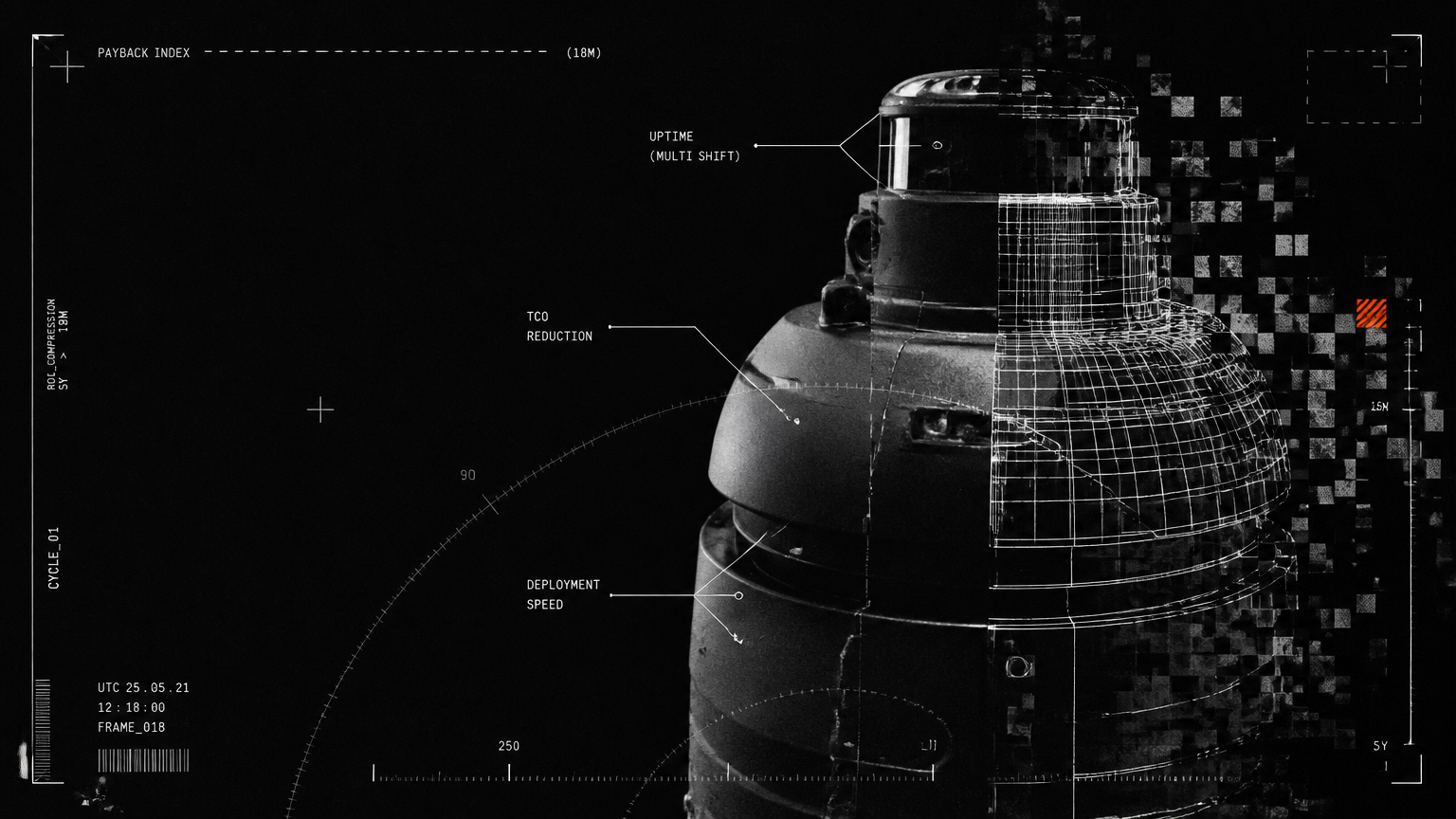
For corporate buyers, payback comes from avoided hires, fewer escalations, and higher pantry utilization. Well-run service robotics deployments in commercial facilities align with broader automation ROI trends — shorter payback periods and measurable throughput gains — especially where labor shortages and 24/7 operations strain manual models.
Safety, Hygiene and Service Quality at Scale
Workplace safety teams rightly ask: will robots block fire exits, bump into people, or spill hot chai?
Enterprise-grade delivery robots are designed for public indoor operation:
Safety in foot traffic: Multi-sensor obstacle detection with 360-degree coverage, emergency stop bumpers, speed reduction in crowds, and automatic stop if a person steps within the safety field. Robots operate at walking speed and announce movement.
Food safety and hygiene: Enclosed multi-tray compartments separate veg/non-veg, hot/cold and meeting-specific orders. Trays are food-grade, spill-resistant and easy to wipe down between runs. Minimal touch — only the recipient opens their assigned compartment via code or tap — supports infection-control expectations carried over from healthcare and hospitality best practices.
Consistent quality: Hot beverages arrive in sealed flasks or lidded cups inside insulated trays. Fleet software enforces first-in-first-out dispatch so no order sits in the pantry. Delivery notifications reduce door-to-door wait time, which is the main cause of cold tea and coffee.
Because Allbotix develops 525+ robots across 180+ clients with full IP ownership, behaviors like tray access, voice prompts in local languages, and corporate branding wraps can be engineered to a client's precision and scale rather than forced into a generic off-the-shelf shell.
Scaling Your Office Food Delivery Robot Fleet Across Floors and Buildings
From pilot floor to campus standard
Successful corporate campus automation programs start narrow and scale fast:
Phase 1 — Single tower pilot: 1-2 robots serving 2-3 floors from one pantry. Measure delivery time, trips per day, staff hours saved and employee CSAT.
Phase 2 — Multi-floor operations: Add elevator integration, scheduled rounds and on-demand ordering. Expand to 3-5 robots with zone-based assignment.
Phase 3 — Campus fleet: Replicate maps and SOPs to other towers, cafeterias and co-working floors. Centralize monitoring with the facility command center.
Made-in-India manufacturing, scaled via Allbotix's partnership with Aimtron Technologies, helps multi-site rollouts stay consistent on hardware, spares and support — an important factor for office parks managing 5-10 buildings.
Employee experience as a differentiator
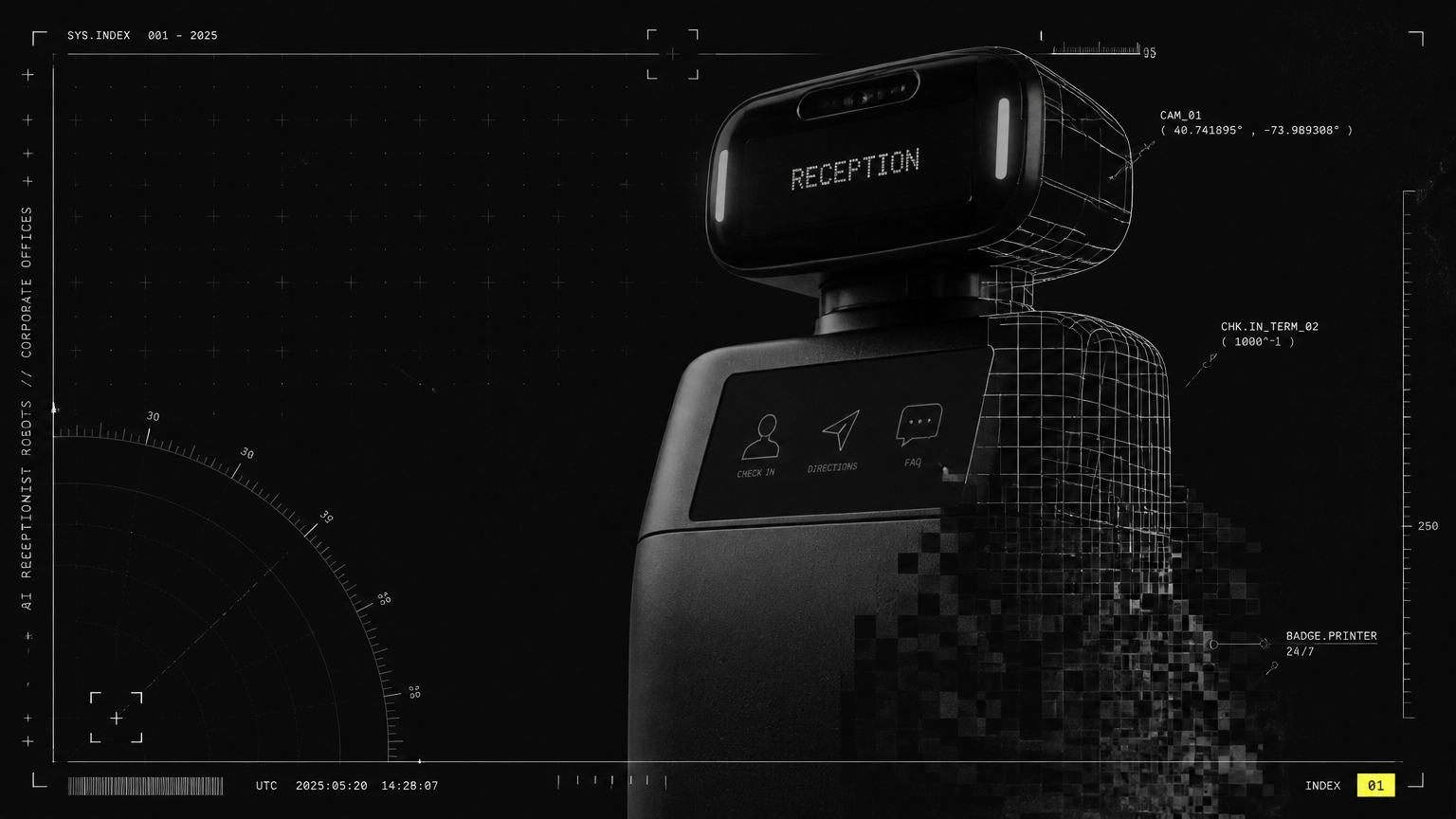
For IT campuses and co-working operators, an office service robot for tea and coffee delivery is also a talent and tenant magnet. Employees film deliveries, meeting hosts offer robot-served welcome coffee, and visitor lounges use robots for branded refreshment welcomes.
Operators report three experience lifts:
- On-demand convenience: Night-shift, support and security teams get the same 2 a.m. coffee service as day shifts without extra staffing.
- Premium perception: A quiet, branded robot arriving on time feels more premium than a rushed trolley.
- Sustainability: Optimized routes and batch deliveries reduce single-trip plastic use, elevator trips and food waste from missed orders.
This is why the same platform approach works beyond corporate — in education campuses, hospitals, malls and transit hubs — but corporate remains the fastest to scale because floor plans repeat and demand is predictable.
How to Deploy an Office Refreshment Delivery System Without Disrupting Operations
Facility managers can de-risk deployment in four steps:
1. Map demand, not just floor plans. Audit one week of pantry tickets: peak times, top floors, average items per trip, failed deliveries. This defines robot count and tray configuration.
2. Integrate with building systems early. Confirm elevator API access, Wi-Fi coverage in lift lobbies and basements, auto-door triggers and charging space near the pantry. Allbotix engineering teams commission maps and test elevator handoffs before go-live.
3. Train pantry and front-desk SOPs. Define who loads, who dispatches, how exceptions are handled, and how recipients are notified. Keep the existing ordering channel — QR, app or intercom — and route it to robots behind the scenes.
4. Measure and expand on data. Track trips per robot per day, on-time rate, staff hours redeployed, and repeat usage. Use fleet analytics and predictive maintenance alerts to sustain uptime before adding towers.
With proprietary fleet management and backing from publicly listed Nanta Tech Limited, Allbotix brings cross-industry versatility — from receptionist and cleaning to serving, AMR, cobot and humanoid form factors — so a pantry fleet can later converge with floor-cleaning automation and AI receptionists under one support and software umbrella. That is precision engineering applied to workplace operations: limitless innovation, but grounded in uptime and SOPs.
Corporate campuses are not automating hospitality to look futuristic. They are doing it to deliver faster, cleaner and more consistent refreshments without adding headcount for every new floor.
If you manage an IT campus, office park or co-working hub and want to pilot on-demand pantry delivery across floors and elevators, talk to Allbotix for a site assessment, demand mapping and a phased fleet plan built for your building — visit https://www.allbotix.ai/ to schedule a demo.