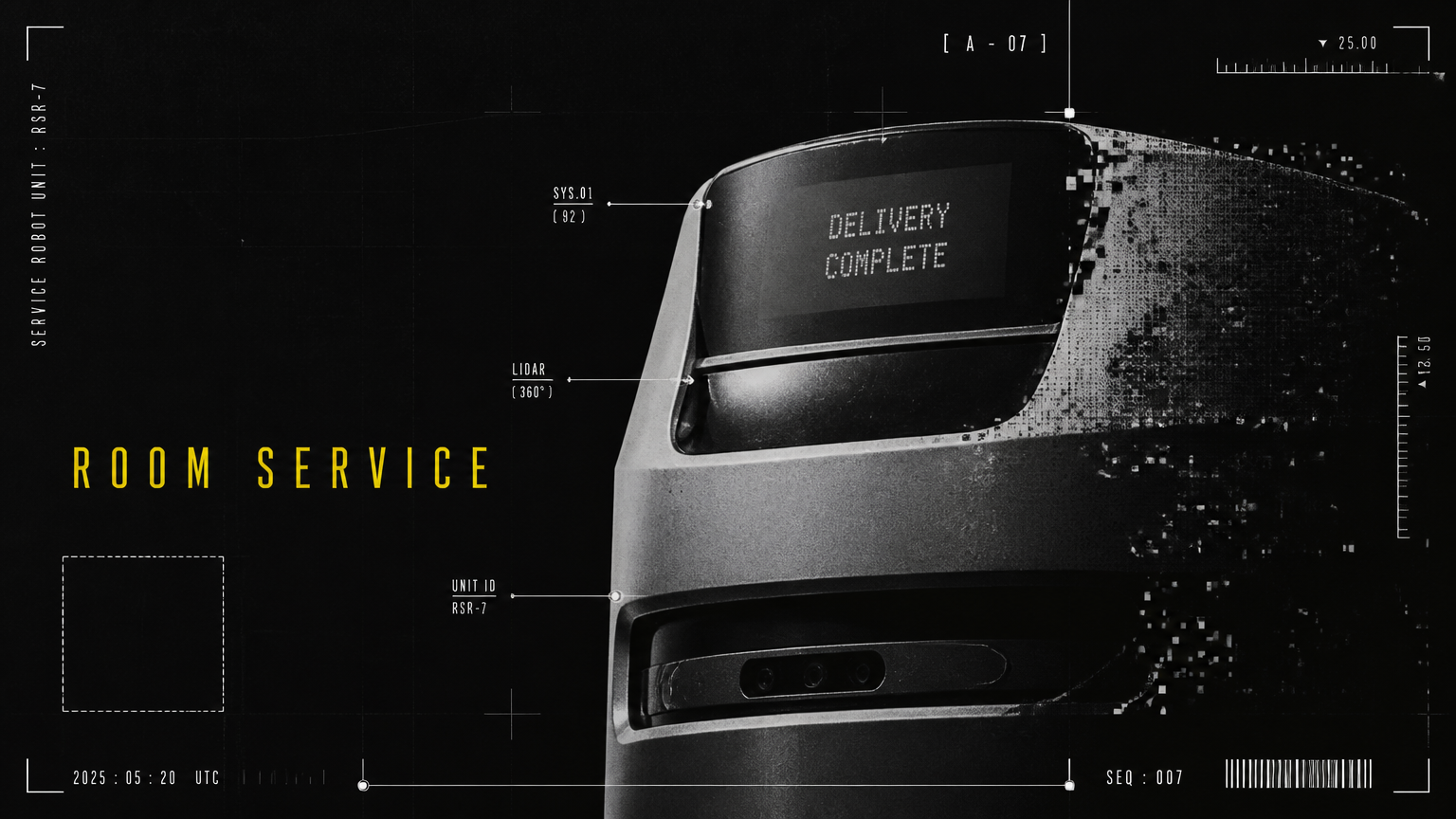
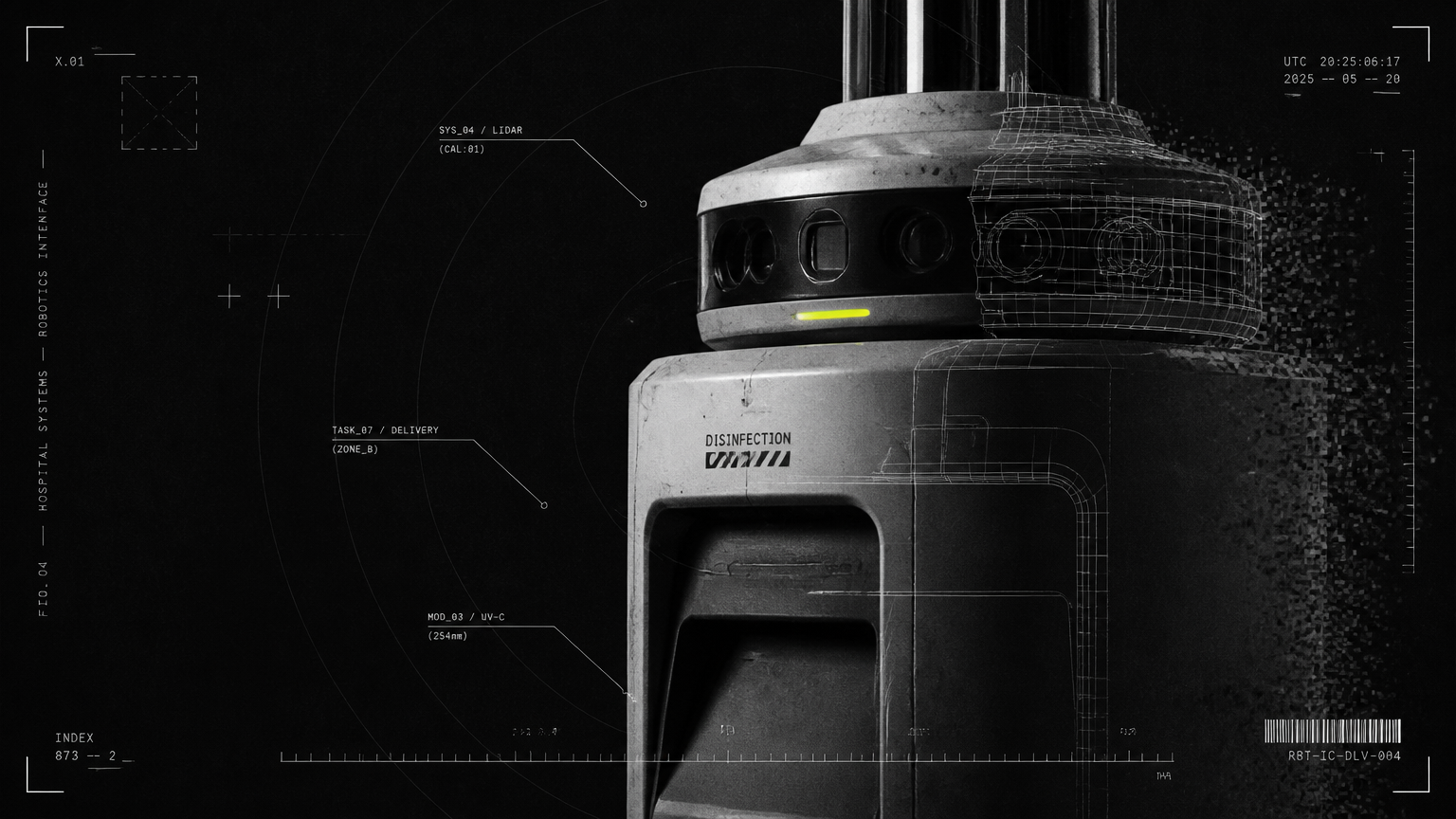
Hospitals are increasingly deploying robots for infection control through automated disinfection and for delivery tasks, streamlining operations and enhancing patient safety. These robotic solutions address critical challenges like infection spread, staffing shortages, and the need for efficient material transport within medical facilities. The integration of advanced robotics, particularly in areas like hospital robots infection control and logistics, marks a significant evolution in healthcare operations, promising greater efficiency, reduced risks, and improved patient outcomes.
The healthcare sector, perpetually striving for higher standards of patient care and operational excellence, faces complex challenges. Healthcare-associated infections (HAIs) remain a significant concern, impacting patient recovery and imposing substantial costs. Simultaneously, the demand for efficient logistics within sprawling hospital campuses, from medication delivery to linen transport, continues to grow, often straining human resources. This is where the precision engineering and limitless innovation of robotic solutions, like those developed by Allbotix, are proving transformative.
The Critical Role of Robots in Hospital Infection Control
Infection control is paramount in any healthcare setting. Traditional cleaning methods, while essential, can be labor-intensive and may not always achieve the consistent, thorough disinfection required to combat resilient pathogens. This is where robots in hospitals for infection prevention offer a powerful new line of defense.
Automated disinfection robots utilize advanced technologies to sterilize surfaces and air, significantly reducing the risk of HAIs. These robots often employ:
- UV-C Light Disinfection: Robots equipped with powerful UV-C lamps can emit germicidal ultraviolet light that destroys the DNA and RNA of bacteria, viruses, and other microorganisms. This method is highly effective in sterilizing patient rooms, operating theaters, and other high-risk areas, often reaching surfaces that might be missed by manual cleaning. The autonomous nature of these robots allows for consistent and thorough coverage, even in complex environments.
- Hydrogen Peroxide Vapor (HPV) or Dry Mist Disinfection: Some robots dispense a fine mist of hydrogen peroxide or other disinfectants, which can penetrate hard-to-reach areas and effectively kill a broad spectrum of pathogens. This "no-touch" disinfection method minimizes human exposure to chemicals and ensures a high level of sterilization.
The benefits of deploying medical robots for cleaning extend beyond just superior disinfection. They also help alleviate the burden on environmental services staff, allowing them to focus on other critical tasks. Furthermore, by operating autonomously, these robots can perform disinfection cycles during off-hours, ensuring that facilities are continuously maintained to the highest hygiene standards without disrupting daily operations. This proactive approach to infection control is a cornerstone of modern healthcare safety protocols.
Streamlining Operations with Hospital Delivery Robots
Beyond infection control, the logistical demands of a hospital are immense. Medications, lab samples, meals, linens, and surgical instruments constantly need to be moved between departments, often across vast distances and multiple floors. This intricate dance of material transport is labor-intensive and prone to delays, impacting patient care and staff efficiency. This is where hospital delivery robots and autonomous mobile robots (AMRs) are revolutionizing hospital logistics.
Autonomous robots healthcare solutions, particularly AMRs, are designed to navigate complex hospital environments independently. Equipped with sophisticated sensors, AI, and mapping capabilities, these robots can:
- Transport Medications and Supplies: Delivering pharmaceuticals from the pharmacy to patient wards, or surgical instruments to operating rooms, AMRs ensure timely and secure transport, reducing the risk of human error and freeing up nursing staff for direct patient care.
- Deliver Meals and Linens: Transporting meals from the kitchen to patient rooms or fresh linens to various units can be a significant logistical undertaking. Robots can handle these heavy and repetitive tasks, improving efficiency and reducing physical strain on staff.
- Collect Waste and Contaminated Materials: Robots can also be deployed to collect biohazardous waste or soiled linens, minimizing human contact with potentially infectious materials and enhancing safety protocols.
The integration of hospital logistics automation through AMRs offers several key advantages. They operate 24/7, ensuring continuous service. Their consistent routes and predictable delivery times improve operational flow. Crucially, they address the challenge of labor shortages by automating repetitive, non-clinical tasks, allowing healthcare professionals to dedicate their time and expertise to patient interaction and specialized medical duties. Allbotix, with its broad fleet of AMRs and proprietary AI fleet-management software, provides the robust, high-uptime solutions necessary for such critical hospital operations.
The Broader Impact of Robotics on Healthcare Efficiency and Patient Safety
The adoption of robotics in healthcare infection control and delivery is not merely about introducing new tools; it represents a fundamental shift in how hospitals operate. The broader impact is multifaceted, touching upon efficiency, patient safety, and staffing challenges.
Enhancing Efficiency and Reducing Operational Costs
- Optimized Workflows: Robots take over routine, repetitive tasks, allowing human staff to focus on more complex, patient-centric responsibilities. This optimization leads to smoother workflows and reduced bottlenecks.
- Reduced Labor Costs: While an initial investment, robots offer long-term cost savings by reducing the need for manual labor in specific areas, especially for tasks that are physically demanding or require round-the-clock attention. This addresses the cited problem of labor shortages and high staffing costs in healthcare.
- Improved Throughput: With 24/7 operational capability and consistent performance, robots contribute to increased throughput in logistics and cleaning, ensuring that critical supplies are always available and environments are consistently sanitized.
Bolstering Patient Safety
- Lowered Infection Rates: Automated disinfection significantly reduces the presence of pathogens, directly translating to fewer HAIs and better patient outcomes.
- Reduced Errors: Robotic delivery systems minimize human error in transport, ensuring that the right medications and supplies reach the correct locations on time.
- Enhanced Staff Safety: By handling hazardous materials or operating in contaminated environments, robots protect healthcare workers from potential exposure and injury.
Addressing Staffing Challenges
The healthcare sector, like many others, faces persistent staffing shortages. Robots offer a viable solution by augmenting the human workforce, not replacing it. They take on tasks that are often seen as less engaging or physically demanding, freeing up skilled personnel to utilize their expertise where it matters most – in direct patient care. This strategic deployment of robotics helps hospitals maintain high standards of care even amidst workforce constraints.
Allbotix: Engineering the Future of Hospital Automation
At Allbotix, we understand the critical needs of modern healthcare facilities. Our commitment to "limitless innovation" and "precision engineering" drives the development of a diverse fleet of service and industrial robots, perfectly suited for the demanding environment of hospitals.
Unlike companies that assemble robots from off-the-shelf parts, Allbotix engineers its solutions in-house, ensuring full IP ownership of design, firmware, and source code. This allows us to tailor machines to a client's specific precision, ambition, and scale, rather than offering generic solutions. Backed by publicly listed Nanta Tech Limited and with a robust Made-in-India manufacturing capability scaled through our partnership with Aimtron Technologies, we deliver reliable, high-performance robotic systems. Our proprietary AI fleet-management software provides real-time monitoring and predictive maintenance, ensuring 99.8% uptime – a crucial factor in healthcare where operational downtime is not an option.
Our broad portfolio includes:
| Feature/Category | Allbotix Solution Allbotix: Pioneering the Future of Hospital Automation
Hospitals are complex ecosystems where efficiency directly impacts patient outcomes. Allbotix, a leader in service and industrial robotics, offers a comprehensive suite of solutions tailored to meet these unique demands. Our in-house engineering, backed by publicly listed Nanta Tech Limited, ensures that our robots are not just tools but integrated systems designed for mission-critical operations. From autonomous cleaning robots that enhance infection control to sophisticated AMRs that streamline logistics, Allbotix provides the reliable, high-performance automation necessary for a safer, more efficient healthcare environment.
Discover how Allbotix can transform your hospital operations. Visit Allbotix.ai today.