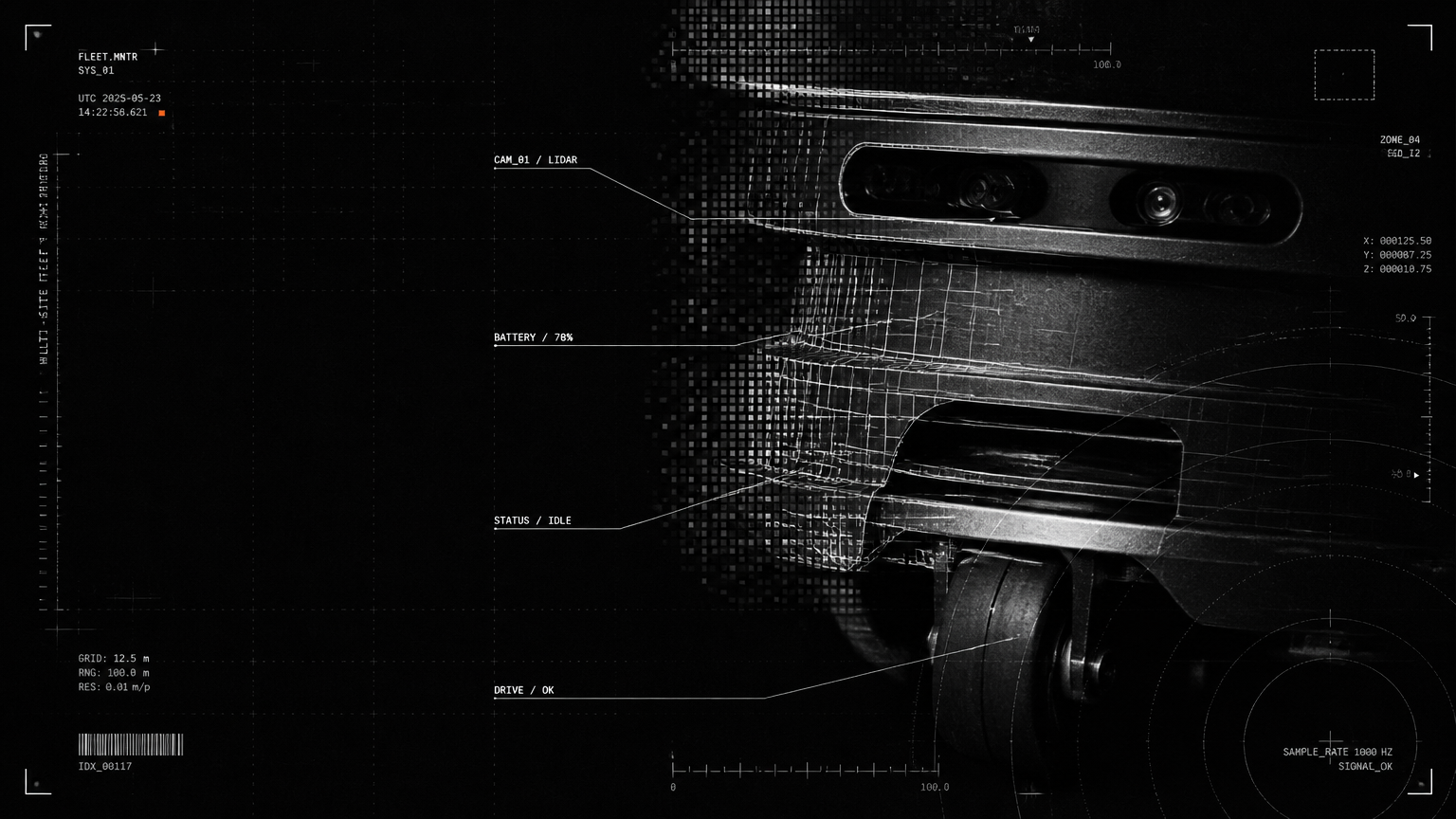
Quick Answer: A multi-site robot fleet is managed through proprietary AI fleet-management software that streams real-time telemetry — location, battery, task status, and health — from every receptionist, cleaning, serving, AMR, and cobot unit into one centralized dashboard. When anomalies are detected, the system triggers instant alerts, remote intervention, and predictive maintenance to sustain uptime across campuses, malls, hospitals, and plants without adding on-site staff.
This is robot fleet management in practice, not in theory. For operations, facility, and IT leaders running multiple locations, the real question is no longer whether robots can clean a floor, greet a visitor, or move a pallet. It is whether one platform can keep dozens or hundreds of diverse robots running reliably, visibly, and efficiently across every site.
What Robot Fleet Management Looks Like Inside the Command Center
A modern robot fleet monitoring system functions like an air-traffic control tower for autonomy. Instead of walking the floor to check each machine, a central team sees every unit, every task, and every alert in real time.
At Allbotix, this capability comes from proprietary AI fleet-management software engineered in-house alongside the robots themselves — not assembled from off-the-shelf parts. With 525+ robots developed and 180+ clients served, that software layer is what allows receptionist, cleaning, serving, AMR, cobot, and humanoid robots to be managed together.
Live Telemetry: Location, Task, Battery, and Health in One View
Real-time robot monitoring starts with continuous telemetry. Each robot streams:
- Location and navigation status: live position on a facility map, planned route, current zone, and obstacle events
- Task status: what the robot is doing now, what is queued next, and completion history with timestamps
- Battery and power health: charge level, charging cycles, dock status, and estimated runtime remaining
- System health: motor load, sensor status, lidar and camera function, network connectivity, and software version
For a facilities head overseeing an IT campus, a mall, and a hospital, this means no blind spots. You can see that Unit C-14 is scrubbing Level 2 in the mall, Unit R-02 is handling visitor check-ins at HQ, and three AMRs are moving components in the plant — all from one dashboard.
This live map-plus-status view is the foundation of centralized robot fleet control. It replaces clipboard rounds, radio calls, and fragmented vendor portals with a single source of truth.
Centralized Robot Fleet Control Without Adding On-Site Staff
Multi-site robot fleet management is designed to reduce staffing load, not increase it. Once robots are deployed, local teams should not need robotics expertise.
With centralized control, a small operations team can:
- Assign and reassign tasks across sites from one console
- Define zones, schedules, no-go areas, and priority workflows
- Push route updates for a university campus during an event, or reschedule cleaning in a hospital ward
- Monitor SLA compliance across corporate offices, retail stores, and transit hubs
For government facilities with tight staffing budgets, for universities with sprawling campuses and thin support staff, and for hotels managing peak-time service gaps, this is critical. The robots execute locally. The intelligence and oversight remain centralized.
Remote Intervention: How Issues Are Resolved in Minutes
Even well-engineered robots encounter blocked aisles, crowded lobbies, or unexpected obstacles. The difference is how fast the system responds.
In an autonomous robot fleet management software platform, anomalies trigger instant alerts based on rules and AI thresholds: robot stopped beyond expected time, deviation from route, low battery without docking, sensor degradation, or repeated retry on a task.
Operators can then intervene remotely — pause and reroute, tele-assist around an obstacle, restart a task, or dispatch the unit to dock. Most incidents are resolved without sending anyone on-site. If physical help is needed, the alert includes location, unit ID, error code, and suggested action, so local staff spend minutes, not hours.
This is how high uptime is sustained across campuses, hospitals, and plants without adding on-site robotics staff.
How Robot Fleet Management Moves From Reactive to Predictive
Traditional facility equipment management is reactive: something breaks, someone complains, maintenance is called. Robot fleet management flips that model.
| Comparison Criterion | Reactive Operations | Predictive Fleet Operations with Allbotix |
|---|---|---|
| Issue Detection | Staff notice a stalled robot or missed task | Real-time robot monitoring flags anomalies automatically |
| Response Time | Hours, after ticket is raised | Minutes, via instant alerts and remote intervention |
| Maintenance Trigger | Breakdown or scheduled calendar visit | Health trends, usage hours, and predictive-maintenance models |
| Visibility Across Sites | Fragmented, site-by-site checks | One dashboard for centralized robot fleet control |
| Impact on Operations | Downtime, service gaps, overtime | Sustained uptime, consistent service quality |
| Staffing Load | More on-site supervision needed | Central team manages multi-site fleet |
Health Monitoring and Predictive Maintenance in Autonomous Robot Fleet Management Software
Every robot generates health signals long before failure: rising motor temperature, increased vibration, battery capacity fade, brush wear on cleaning units, lidar noise, or declining navigation confidence.
Allbotix combines hardware fleets with proprietary fleet-management and predictive-maintenance software to turn those signals into action. Instead of waiting for a cleaning robot to fail mid-shift in an airport or an AMR to stall in a warehouse aisle, the system schedules maintenance during off-hours, orders the right part, and keeps a backup unit in rotation.
The business impact is measurable. Industry research shows automation and condition-based monitoring can cut unplanned downtime by 30–50%, with documented cases showing 26%+ reductions and ~$630K in annual savings per plant. Consistent robotic execution also reduces scrap and rework by 20–50% in quality-sensitive environments. For manufacturing plants facing production inefficiency and costly downtime, and for logistics operations dependent on inventory movement and pallet transport, predictive operations protect throughput.
Well-run deployments also pay back fast. Average robot payback has dropped from ~5.3 years in 2019 to ~1.3 years in 2024, with 10:1 to 30:1 ROI reported within 18 months when uptime and utilization are actively managed.
24/7 Support and the Path to 99.8% Uptime
Software alone is not enough. Multi-site fleets need human backup around the clock.
Allbotix supports its deployments with 24/7 Premium Support, contributing to a reported 99.8% uptime across its fleet. When remote intervention cannot resolve an issue, support workflows escalate with full context — device history, site, and diagnostics — rather than starting from zero.
For healthcare leaders managing infection control and round-the-clock strain, for retail operators dealing with high staff turnover, and for airports handling high-density public infrastructure demands, that continuity matters. A receptionist robot cannot miss morning peak. A hospital cleaning robot cannot skip terminal cleaning. Uptime is a service commitment, enabled by precision engineering and continuous monitoring.
Scaling Robot Fleet Management Across Form Factors and Verticals
Most robotics vendors specialize in one category. Managing a mixed fleet across multiple verticals requires a different architecture — one platform that understands very different robots and very different jobs.
Allbotix was built for this breadth, with a diverse fleet spanning receptionist, humanoid, dog, cleaning, serving, AMR, and cobot form factors. All are paired to the same software backbone, reflecting a philosophy of limitless innovation applied with precision engineering.
One Robot Fleet Monitoring System for Receptionist, Cleaning, Serving, AMR, Cobot, and Humanoid Robots
AMR fleet management in a warehouse looks different from managing AI greeters in a mall, but the monitoring principles are shared. The platform normalizes telemetry so leaders can compare utilization, health, and task completion across types.
| Robot Form Factor | Primary Tasks Monitored | Key Telemetry for Uptime | Typical Deployment Sites |
|---|---|---|---|
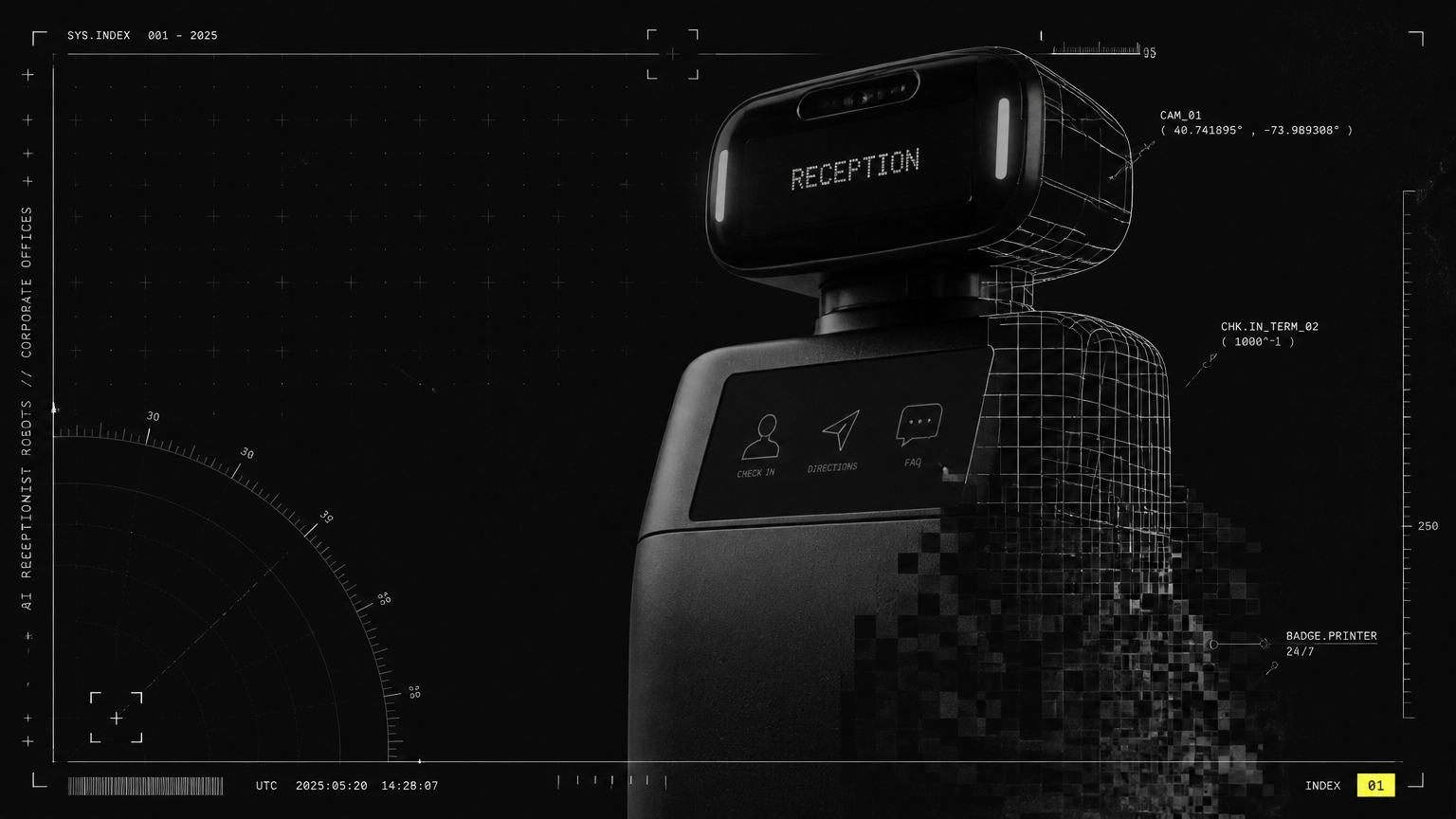
| AI Receptionist Robots | Visitor check-in, wayfinding, announcements | Interaction uptime, network status, task queue | Corporate campuses, government offices, universities, hospitals |
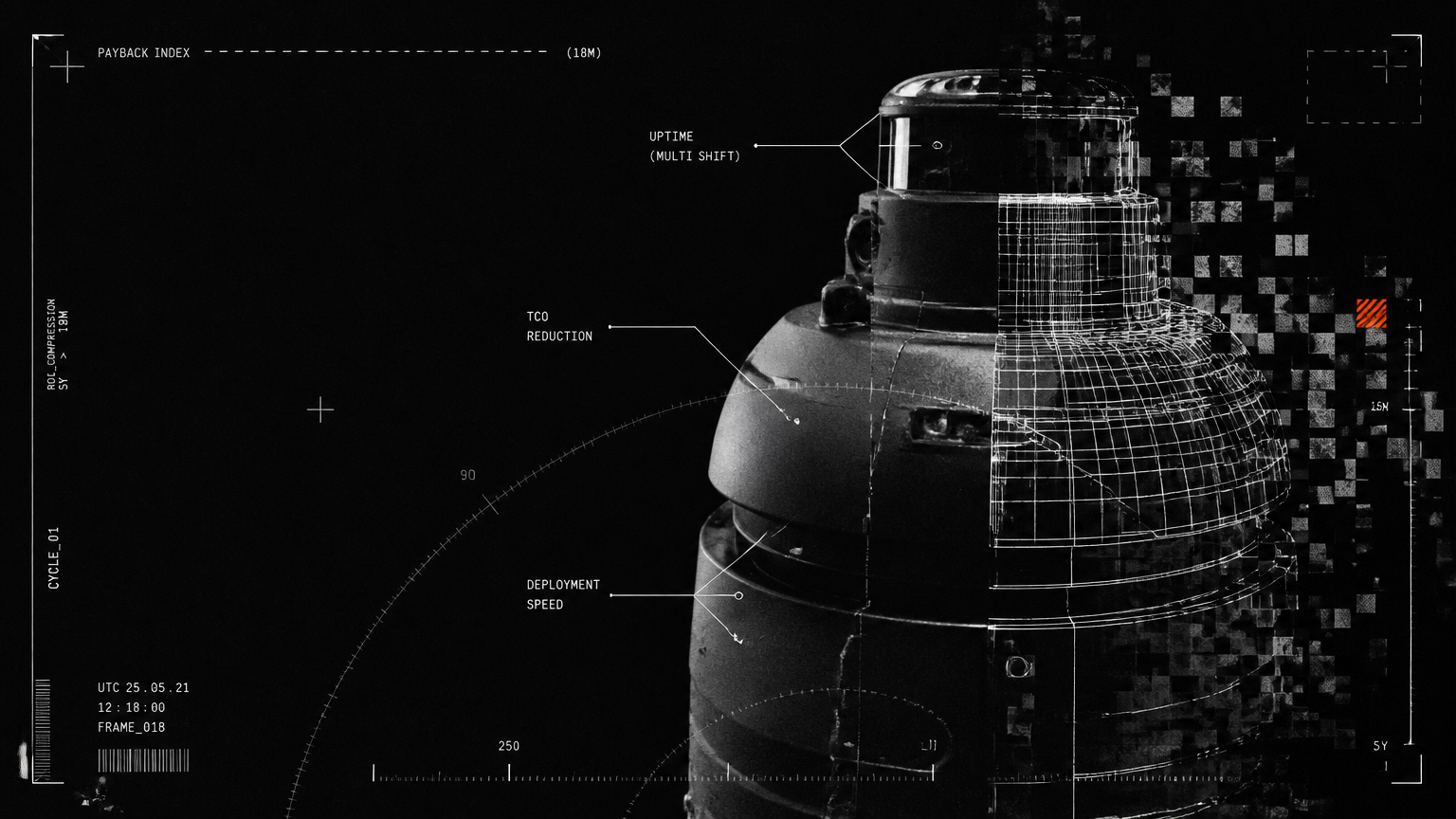
| Cleaning Robots | Scrubbing, sweeping, vacuuming large floors | Brush life, water levels, coverage %, battery cycles | Malls, airports, hospitals, manufacturing plants |
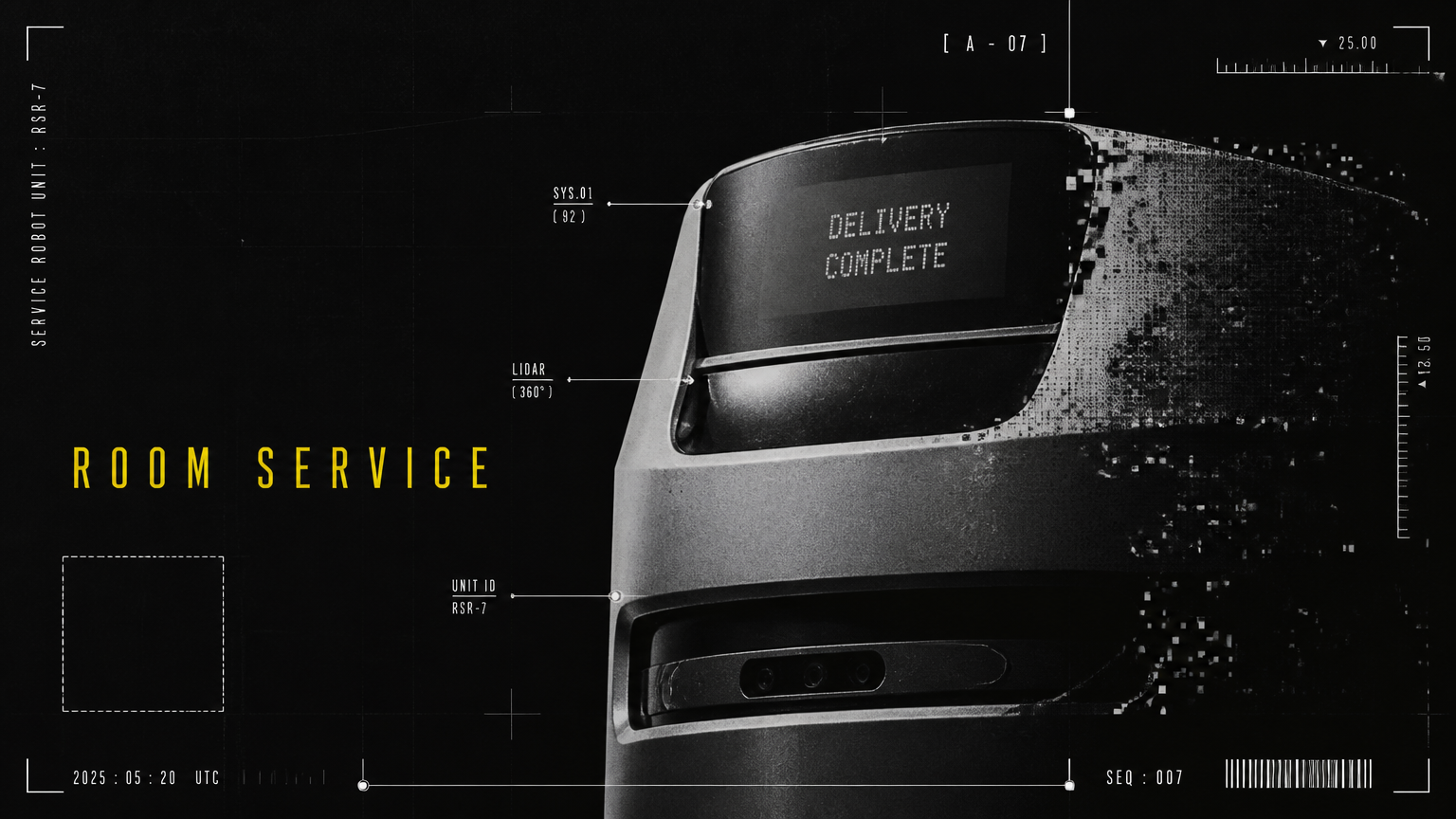
| Serving / Delivery Robots | Food, beverage, pantry and document delivery | Delivery success rate, wait time, obstacle events | Hotels, restaurants, hospitals, offices |
| AMRs for Logistics | Material transport, pallet movement | Route adherence, payload status, fleet traffic | Warehouses, 3PL fulfillment, plants |
| Cobots | Machine tending, assembly assistance, QC support | Cycle time, torque alerts, safety stops | Industrial parks, production lines |
| Humanoid / Dog Robots | Greeting, patrolling, training assistance | Mobility health, sensor status, patrol completion | Campuses, events, transit hubs, factories |
This unified approach solves a practical IT problem: no separate login for each vendor, no siloed data, no conflicting maintenance schedules. Whether you are tracking real-time robot monitoring for five units in one hotel or 80 units across a retail chain, the workflow is the same.
Because Allbotix owns full IP — design, firmware, source code, and trademarks — and manufactures in India at scale via its partnership with Aimtron Technologies, updates and integrations can be rolled out consistently across form factors. Machines are engineered to a client's specific precision, ambition, and scale, not pulled off a generic shelf.
Multi-Site Robot Fleet Management in Action: Campuses, Malls, Hospitals, Plants, and Transit Hubs
Consider how multi-site robot fleet management operates day to day:
In corporate IT campuses and co-working parks, AI receptionists handle dense foot traffic and visitor management while cleaning automation maintains lobbies and washrooms. Facility managers see peak-hour loads and adjust robot schedules without adding front-desk staff.
In retail malls and large-format showrooms, promotional robots and AI greeters manage customer flow while floor-cleaning robots run overnight. Brand differentiation improves, and high staff turnover no longer breaks service consistency.
In hospitals and clinics, cleaning robots support infection-control protocols with verifiable coverage logs, while delivery robots offload non-clinical transport. Round-the-clock strain eases because task completion is tracked, not assumed.
In universities and training centers, receptionist robots streamline admissions and visitor handling, AMRs move materials between departments, and large-scale cleaning robots cover hostels and academic blocks — addressing safety risks across sprawling campuses with thin support staff.
In manufacturing and logistics, AMRs and cobots close labor gaps — critical when manufacturing faces a projected shortfall of 2M+ workers over the next decade — delivering 15–30% throughput increases and 20–40% capacity uplift. Fleet visibility prevents bottlenecks in pallet transport and inventory movement.
In airports and transit hubs, surveillance and cleaning automation provide 24/7 coverage with public-service transparency, all monitored centrally.
Backed by publicly listed Nanta Tech Limited, Allbotix brings public-market credibility to these mission-critical deployments, an important factor for government, healthcare, and enterprise buyers evaluating long-term partners.
What Operations, Facility, and IT Leaders Should Look For
If you are evaluating autonomous robot fleet management software, prioritize operational realities over demo features:
- Single dashboard for mixed fleets: Can it manage receptionist, cleaning, serving, AMR, and cobot units together, not just one category?
- True real-time telemetry: Does it show location, battery, task status, and health live, with history for audits?
- Remote actionability: Can your team reroute, reschedule, and resolve alerts remotely across sites?
- Predictive maintenance: Does it track component wear and health trends to prevent downtime, not just report failures?
- Enterprise readiness: Does it support multi-site permissions, IT security requirements, and 24/7 support with defined uptime?
A platform that checks these boxes turns robots from isolated pilots into a scalable, centrally governed fleet.
Bring Centralized Control to Every Site with Allbotix
A multi-site robot fleet succeeds when monitoring is real-time, intervention is remote, and maintenance is predictive. That is what allows one lean team to sustain high uptime across corporate campuses, malls, hospitals, universities, plants, and transit hubs.
Allbotix engineers and deploys service and industrial robots — AI receptionists, cleaning, serving, AMRs, cobots, and humanoids — paired with proprietary AI fleet-management software for centralized robot fleet control. With in-house engineering, Made-in-India manufacturing, 24/7 Premium Support, and 99.8% uptime, it is built for organizations that need versatility without operational complexity.
Talk to Allbotix at https://www.allbotix.ai/ to see how real-time monitoring and predictive fleet operations would work across your sites.