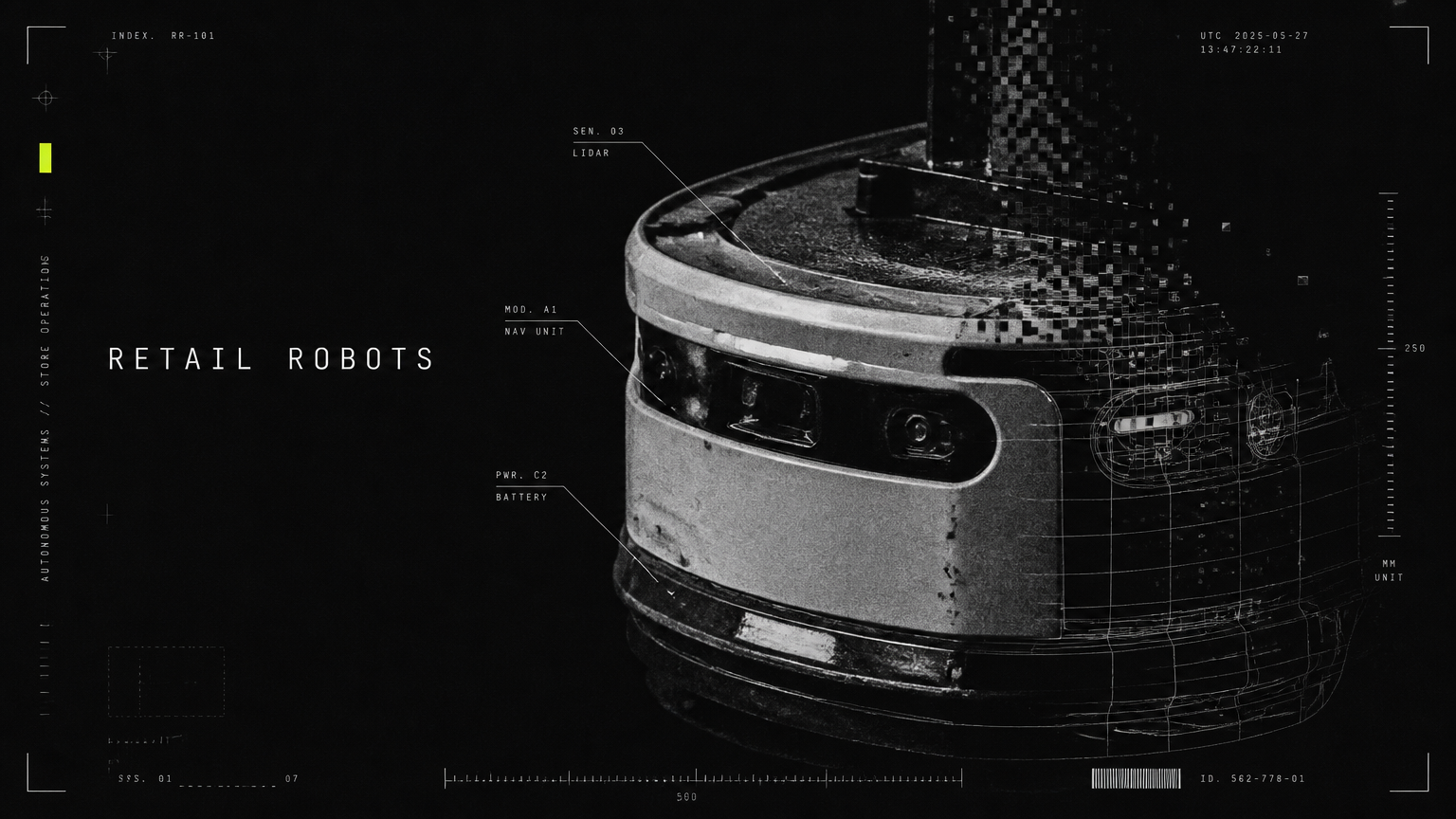
Retail robots are automated solutions designed to enhance store operations, improve customer experience, and address staffing challenges in retail environments. Store operators need to understand the diverse applications, potential ROI, and strategic implementation considerations before investing in these technologies.
The retail landscape is constantly evolving, marked by shifting consumer expectations, persistent labor shortages, and the relentless pursuit of operational efficiency. In this dynamic environment, retail robots are emerging as a transformative force, offering innovative ways to streamline tasks, engage customers, and optimize store performance. For store operators, understanding the capabilities and strategic deployment of these advanced tools is no longer a luxury but a necessity for staying competitive.
Why Retail Robots Are Becoming Indispensable for Modern Stores
The integration of robots in retail stores isn't just about futuristic appeal; it's about solving tangible business problems. From managing inventory to enhancing customer interactions, retail automation offers a compelling suite of benefits that directly impact a store's bottom line and customer satisfaction.
Addressing Labor Shortages and Operational Efficiency
One of the most pressing challenges facing retailers today is the ongoing labor shortage. Robots can fill critical gaps, handling repetitive, physically demanding, or time-consuming tasks, freeing human staff to focus on more complex customer service or strategic roles. This not only mitigates staffing issues but also leads to significant improvements in operational efficiency. For example, autonomous cleaning robots can maintain store cleanliness 24/7, reducing labor costs and ensuring a consistently pristine shopping environment. Similarly, inventory AMRs (Autonomous Mobile Robots) can conduct rapid stock counts, drastically cutting down on manual labor hours and improving inventory accuracy.
Enhancing Customer Experience and Engagement
Beyond efficiency, robotics for retail can elevate the customer experience. AI greeters can welcome shoppers, provide basic information, and direct them to specific departments, creating a novel and engaging first impression. Promotional robots can interact with customers, showcase products, and even offer personalized recommendations, adding an element of entertainment and differentiation to the shopping journey. This brand differentiation is crucial in today's competitive market, helping stores stand out and foster customer loyalty.
Driving ROI and Mitigating Downtime
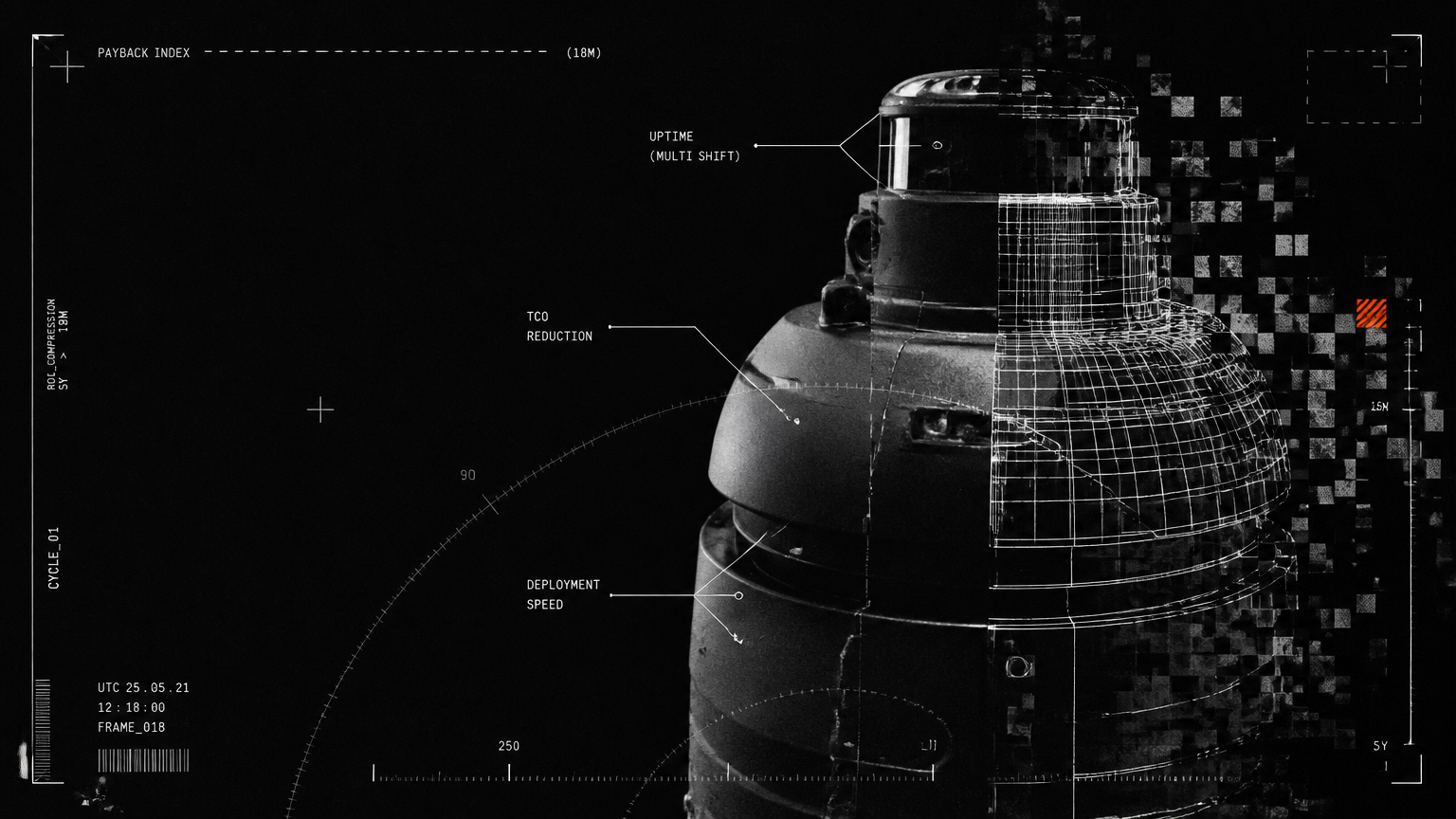
The financial benefits of integrating store automation robots are substantial. While the initial investment might seem significant, the long-term ROI is often compelling. As Allbotix has observed across various industries, automation and condition-based monitoring can cut unplanned downtime by 30-50%, with well-run deployments seeing 10:1 to 30:1 ROI within 18 months. This is achieved through increased throughput, reduced errors, and optimized resource allocation. For retailers, this translates into improved sales, lower operational costs, and a more resilient business model.
Types of Retail Robots and Their Applications
The world of retail robot benefits is vast, with a diverse range of robotic solutions tailored to specific retail needs. Allbotix, with its broad, multi-vertical fleet, offers a glimpse into the "limitless innovation" and "precision engineering" driving this sector.
Customer-Facing Robots
These robots are designed to interact directly with shoppers, enhancing their experience and providing assistance.
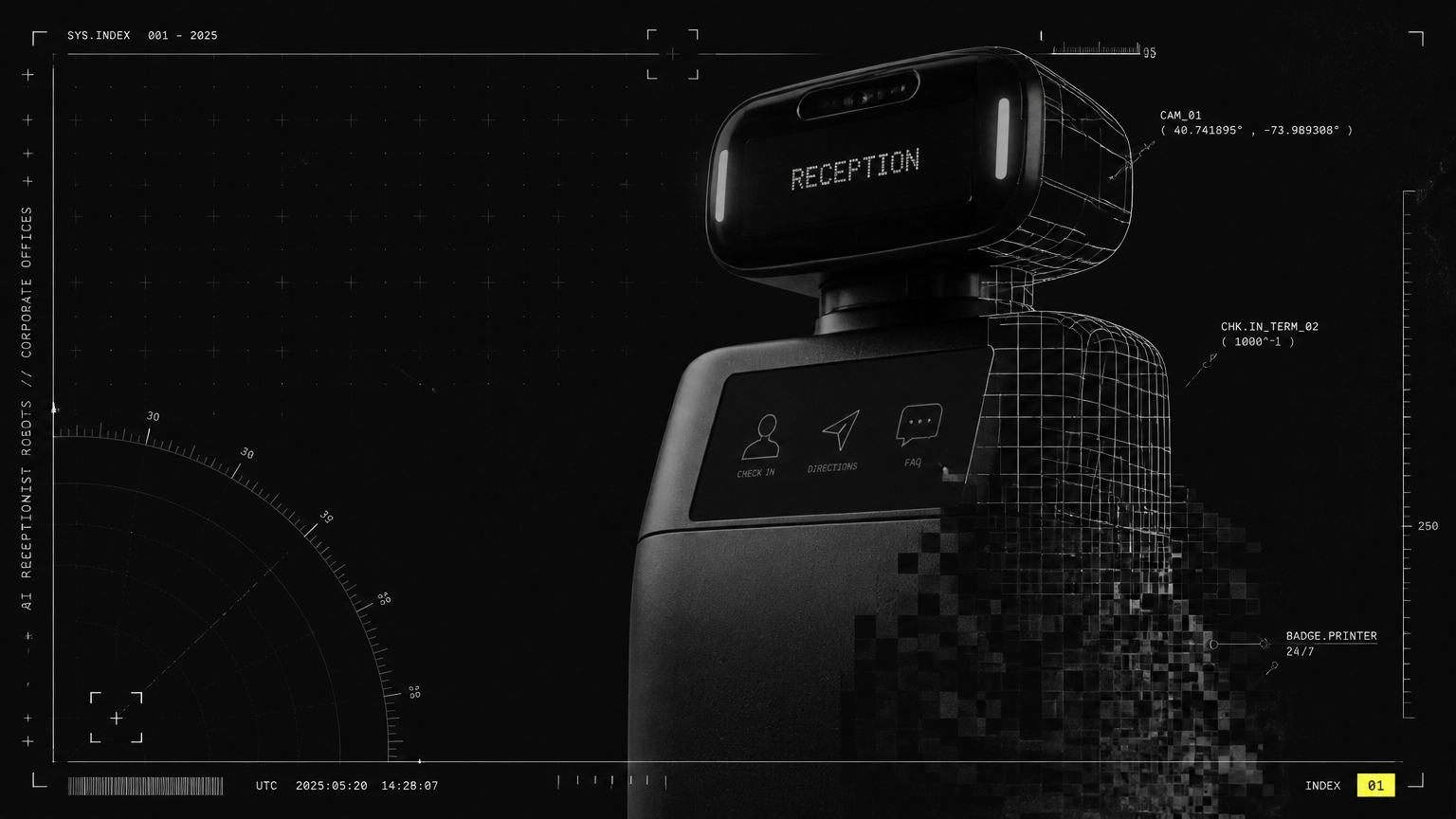
- AI Greeters/Receptionists: Robots like those engineered by Allbotix can welcome customers, answer frequently asked questions, provide directions, and even assist with loyalty program sign-ups. They offer a consistent, friendly, and novel point of contact.
- Promotional/Serving Robots: These robots can showcase products, offer samples, or even deliver small items. In larger format stores or malls, they can act as mobile information kiosks or entertainment, drawing attention to specific promotions or areas.
- Humanoid Robots: While still emerging in widespread retail, humanoid robots can offer more complex interactions, potentially assisting with personalized shopping experiences or even demonstrating product features. Allbotix's expertise in humanoid robots for factory training and assistance hints at future retail applications.
Operational Support Robots
These robots work behind the scenes or in public areas to streamline store operations and maintain facilities.
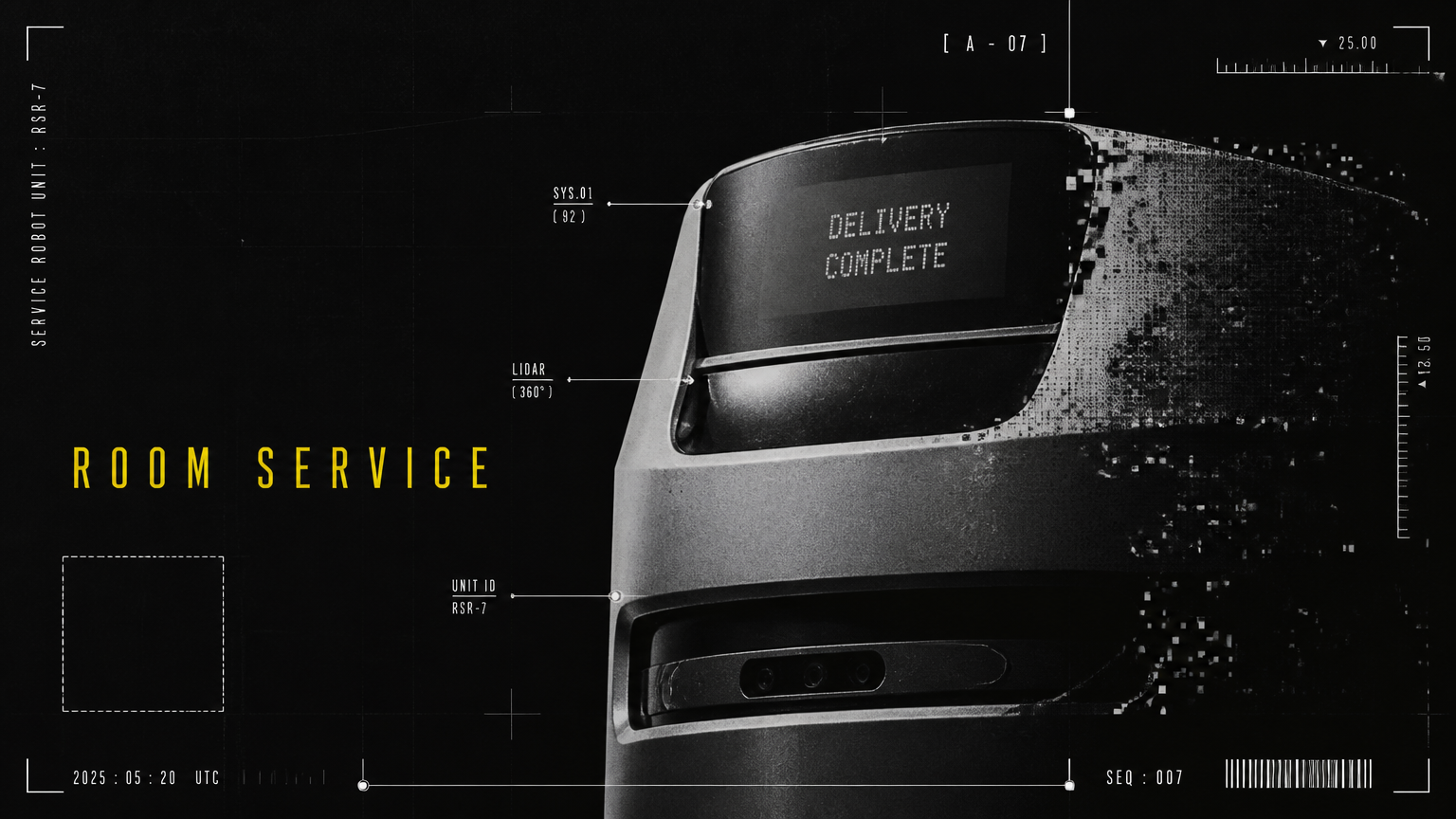
- Cleaning Robots: Autonomous floor-cleaning robots are a prime example of retail automation. They ensure consistent cleanliness, reduce manual labor, and can operate during off-hours, contributing to a pristine shopping environment. Allbotix's robust cleaning automation solutions are deployed in various settings, including government and public services, demonstrating their reliability.
- Inventory AMRs (Autonomous Mobile Robots): These robots navigate store aisles to scan shelves, track stock levels, identify misplaced items, and flag out-of-stock products. This dramatically improves inventory accuracy, reduces manual stock-taking time, and helps prevent lost sales due to empty shelves. Allbotix's expertise in AMRs for logistics and industrial applications is directly transferable to retail inventory management.
- Security/Surveillance Robots: Equipped with cameras and sensors, these robots can patrol stores, monitor for suspicious activity, and provide real-time security alerts. This augments human security teams and offers continuous monitoring.
Comparing Key Retail Robot Types
| Feature/Criterion | AI Greeter Robots | Cleaning Robots | Inventory AMRs |
|---|---|---|---|
| Primary Function | Customer welcome, information, basic assistance | Floor cleaning, facility maintenance | Stock tracking, shelf scanning, inventory audits |
| Key Benefit | Enhanced customer experience, brand differentiation, reduced front-desk staffing cost | Improved hygiene, reduced labor costs, 24/7 operation | Increased inventory accuracy, reduced manual effort, optimized stock levels |
| Interaction Level | High (direct customer engagement) | Low (minimal direct customer interaction) | Low (primarily interacts with products/shelves) |
| ROI Drivers | Customer satisfaction, staff reallocation, novelty | Labor savings, consistent cleanliness, operational efficiency | Reduced stockouts, improved sales, reduced waste |
| Ideal Environment | Store entrances, information desks, high-traffic areas | Entire store floor, especially large formats | Sales floor, backroom, storage areas |
Key Considerations Before Investing in Retail Robots
Adopting store automation robots is a strategic decision that requires careful planning. To ensure a successful deployment and maximize your ROI, consider these critical factors.
1. Identify Your Specific Needs and Pain Points
Before looking at any robot, clearly define the problems you're trying to solve. Are you struggling with:
- High staff turnover at the front desk? (Consider AI greeters)
- Inconsistent store cleanliness? (Look at cleaning robots)
- Frequent out-of-stock items or inaccurate inventory? (Explore inventory AMRs)
- The need for a unique brand differentiator? (Promotional or interactive robots)
A clear understanding of your pain points will guide your selection process and ensure you invest in solutions that deliver tangible value.
2. Evaluate the Total Cost of Ownership (TCO)
Beyond the initial purchase price, consider installation, maintenance, software subscriptions, and potential infrastructure upgrades. Allbotix, for instance, pairs its hardware fleets with proprietary AI fleet-management and predictive-maintenance software, which is crucial for maximizing uptime and minimizing long-term costs. A 99.8% uptime, as boasted by Allbotix, is a testament to robust engineering and effective fleet management, directly impacting TCO.
3. Prioritize Customization and Scalability
Your retail environment is unique. Look for providers that offer solutions engineered to your specific precision, ambition, and scale, rather than off-the-shelf products. Allbotix's differentiator lies in its in-house engineering and full IP ownership, allowing for machines tailored to client needs. This ensures the robots integrate seamlessly into your existing operations and can scale as your business grows.
4. Assess Support and Maintenance
Robots are sophisticated machines that require ongoing support. Evaluate the provider's commitment to 24/7 premium support, spare parts availability, and proactive maintenance. Unplanned downtime can negate the benefits of automation. A robust support framework, like that offered by Allbotix, is critical for ensuring continuous operation and maximizing uptime.
5. Integration with Existing Systems
Consider how the robots will integrate with your current POS systems, inventory management software, and other operational platforms. Seamless data exchange and interoperability are key to unlocking the full potential of retail automation.
6. Employee Training and Adoption
Robots are tools to augment, not replace, human staff. Plan for comprehensive training to help your employees understand how to work alongside robots, manage them, and leverage their capabilities. Successful integration often hinges on employee acceptance and a clear communication strategy about the robots' role.
7. Data Security and Privacy
Robots, especially those with cameras and sensors, collect data. Ensure that the chosen solutions comply with data privacy regulations and that the provider has robust security protocols in place to protect sensitive information.
Allbotix: Your Partner in Retail Automation
As you navigate the exciting world of robots in retail stores, partnering with a proven leader is paramount. Allbotix engineers and deploys a broad, multi-vertical fleet of service and industrial robots, from AI receptionists and cleaning robots to AMRs and humanoids. Our proprietary AI fleet-management software, built in-house rather than assembled from off-the-shelf parts, ensures optimal performance, predictive maintenance, and an impressive 99.8% uptime.
Backed by publicly listed Nanta Tech Limited and with over 525 robots developed for 180+ happy clients, Allbotix brings "precision engineering" and "limitless innovation" to your retail environment. We understand that every store has unique challenges, and our ability to engineer machines to a client's specific precision, ambition, and scale — combined with our full IP ownership and Made-in-India manufacturing via Aimtron Technologies — positions us as a truly differentiated partner.
Whether you're looking to enhance customer flow, address labor shortages, or achieve significant operational efficiencies, Allbotix offers the robust, scalable, and intelligently managed robotic solutions your retail business needs to thrive.
Ready to explore how retail robots can transform your store operations? Visit Allbotix.ai today to learn more about our diverse fleet and how our precision-engineered solutions can meet your unique needs.