Indian municipalities are increasingly deploying robotics for various smart city initiatives, focusing on enhancing public services, improving efficiency, and addressing urban challenges. These deployments range from automated cleaning and surveillance to AI-powered public assistance, reflecting a growing trend towards technological integration in urban governance. The adoption of Smart City Robotics India is not just a futuristic vision but a tangible reality, with numerous cities leveraging advanced robotic solutions to create more livable, sustainable, and efficient urban environments.
The Rise of Robotics in Indian Smart Cities
India's ambitious Smart Cities Mission has spurred a wave of technological innovation, with robotics emerging as a critical enabler for urban transformation. Municipalities are recognizing the immense potential of robots to tackle persistent urban problems, from sanitation and public safety to traffic management and citizen services. The drivers behind this adoption are multifaceted, including the need to overcome labor shortages, improve service delivery consistency, and enhance operational transparency.
For government and public services, the benefits are clear: 24/7 monitoring capabilities, optimized resource allocation, and the ability to perform hazardous or repetitive tasks with greater precision. This shift is also driven by a desire to improve public perception and demonstrate a commitment to modern, tech-forward governance.
Specific Examples and Case Studies of Robotics Deployments
Across India, various cities are pioneering the use of robotics in their smart city projects. These deployments are often tailored to address specific local challenges, showcasing the versatility and adaptability of modern robotic solutions.
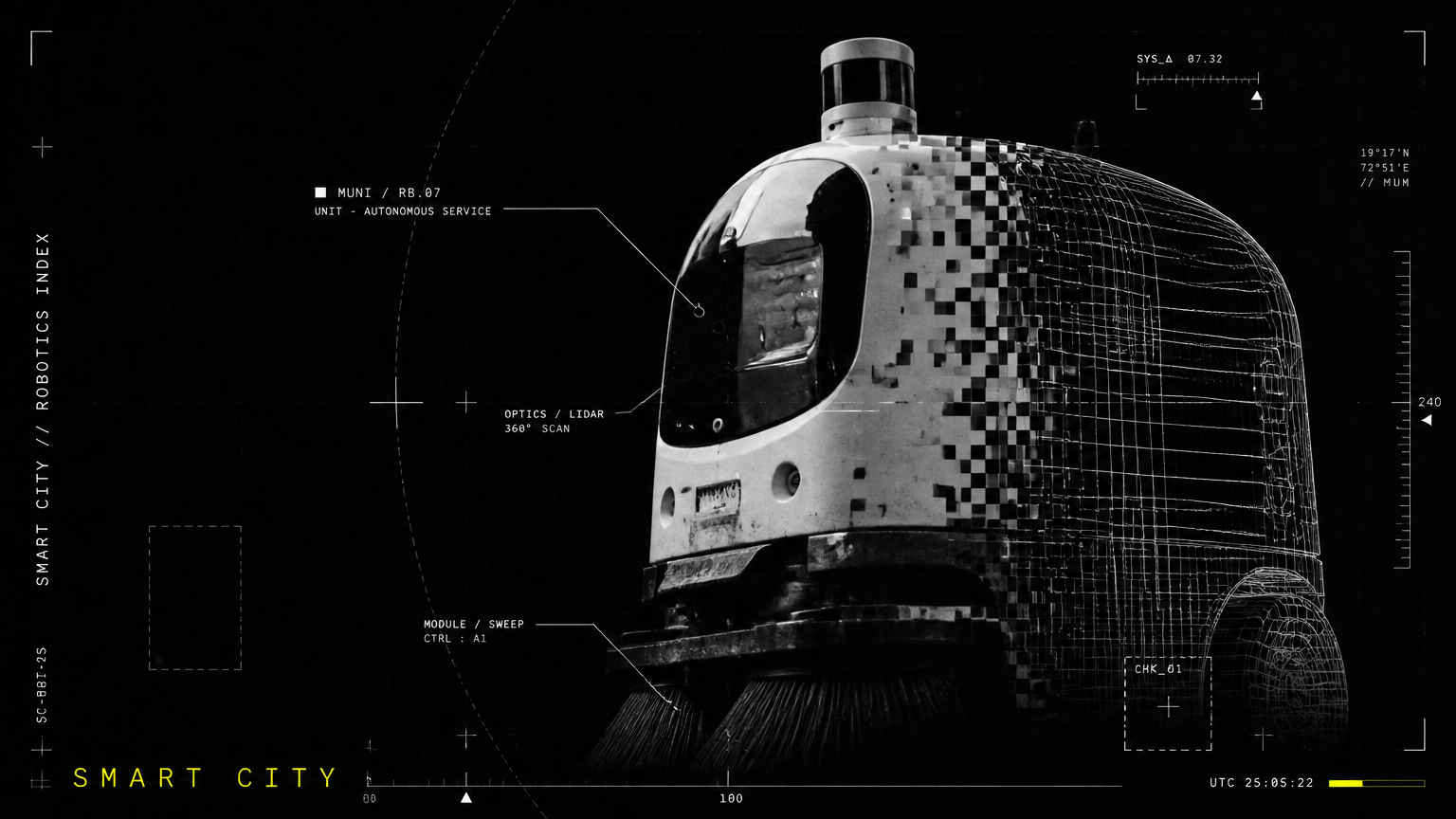
- Sanitation and Waste Management: One of the most visible applications of robotics in Indian municipalities is in sanitation. Cities like Pune and Greater Noida have experimented with robotic cleaners for public spaces, railway stations, and large commercial complexes. These robots can cover vast areas efficiently, ensuring a higher standard of cleanliness and reducing reliance on manual labor for hazardous tasks. For instance, autonomous floor-cleaning robots are being deployed in high-footfall areas, contributing to better public hygiene.
- Surveillance and Public Safety: Security robots equipped with advanced cameras, AI-powered analytics, and even thermal imaging are being utilized for 24/7 monitoring in public parks, critical infrastructure, and crowded urban centers. Cities like Hyderabad have explored the use of surveillance robots for crowd management during large events and for patrolling sensitive zones. These robots can detect anomalies, identify suspicious activities, and provide real-time alerts to command centers, significantly augmenting human security personnel.
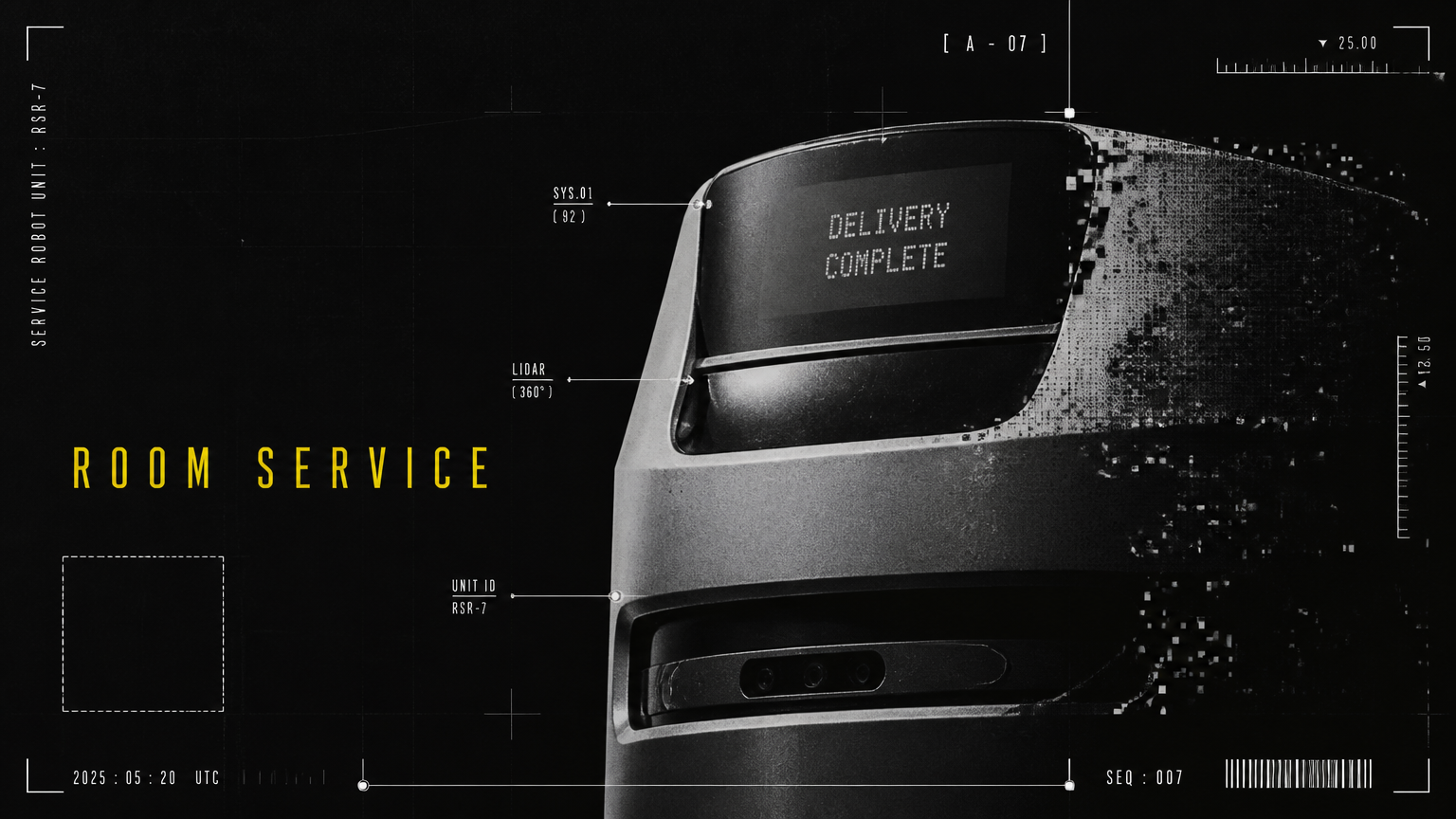
- Public Information and Assistance: AI-powered receptionist robots are finding their way into municipal offices and public information centers. These robots can greet visitors, answer frequently asked questions in multiple languages, guide citizens to relevant departments, and even assist with basic form-filling. This not only streamlines public services but also reduces the burden on human staff, allowing them to focus on more complex tasks.
- Traffic Management and Infrastructure Inspection: While still in nascent stages, some municipalities are exploring drone-based robotics for traffic monitoring, identifying congestion points, and even inspecting urban infrastructure like bridges and flyovers for maintenance needs. These aerial robots can provide a comprehensive overview, helping urban planners make data-driven decisions.
- Hazardous Environment Operations: In situations involving hazardous materials or disaster response, specialized robots are being considered to assess damage, locate victims, and perform initial relief operations, minimizing risk to human lives.
The Types of Robots Being Adopted by Indian Cities
The diversity of challenges faced by Indian cities necessitates a broad spectrum of robotic solutions. Municipalities are adopting various robot types, each designed to solve specific problems and enhance particular public services.
| Robot Type | Key Applications in Indian Municipalities Smart City Robotics in India has witnessed significant growth, with municipalities increasingly adopting robotic solutions to enhance urban governance and public services. The rapid technological advancement and the success of the Smart Cities Mission have propelled the integration of robotics into various sectors, aiming for improved efficiency, sustainability, and quality of life for citizens.
Robotics in Indian Municipalities: Current Deployments and Their Impact
The deployment of robotics in Indian municipalities is characterized by innovative solutions addressing persistent urban challenges. These solutions are not merely theoretical; they are being actively implemented, showcasing the practical benefits of advanced automation.
Sanitation and Waste Management: A Cleaner Urban Landscape
One of the most impactful areas of Indian municipalities robotics deployment is in sanitation and waste management. Traditional methods often struggle with efficiency, safety, and consistency. Robots offer a transformative approach:
- Automated Street Cleaning: Cities like Pune and Surat have piloted robotic street sweepers that can cover large areas, including public squares, arterial roads, and market areas, with greater efficiency and consistency than manual labor. These robots are equipped with sensors to navigate complex urban environments, avoiding obstacles and ensuring thorough cleaning.
- Drainage and Sewer Cleaning Robots: Addressing the hazardous task of cleaning sewers and drains, some municipalities have introduced robots designed to navigate narrow pipes, remove blockages, and inspect infrastructure. Genrobotics, for instance, has developed robots like Bandicoot for this purpose, significantly reducing human exposure to toxic environments and improving worker safety.
- Waste Segregation and Collection: While still emerging, the concept of robotic waste segregation at collection points is gaining traction. These robots can sort waste into different categories (plastics, metals, organic) more accurately, boosting recycling rates and reducing landfill burden.
Problems Solved: Labor shortages in sanitation, hazardous working conditions for manual scavengers, inconsistent cleaning quality, and inefficient waste management processes.
Surveillance and Public Safety: Enhancing Urban Security
Robotics in Indian smart cities plays a crucial role in bolstering public safety and security. The ability of robots to operate continuously and in diverse conditions makes them invaluable assets:
- Autonomous Patrol Robots: Cities like Hyderabad have explored the use of robotic sentinels for patrolling public parks, government buildings, and critical infrastructure. These robots are often equipped with high-definition cameras, thermal imaging, and even facial recognition capabilities, providing 24/7 monitoring and real-time alerts for suspicious activities.
- Drone-Based Surveillance: Drones are increasingly utilized for aerial surveillance during large public gatherings, disaster management, and monitoring illegal construction or encroachments. Their ability to cover vast areas quickly and provide a bird's-eye view is a significant advantage for municipal law enforcement and planning departments.
- Traffic Management and Enforcement: While not fully autonomous, robotic systems integrated with AI are assisting in traffic management by monitoring traffic flow, detecting violations (e.g., red light jumping, illegal parking), and optimizing signal timings.
Problems Solved: Need for 24/7 monitoring, human resource limitations in security forces, rapid response to incidents, and data-driven insights for urban planning.
Public Information and Citizen Services: The AI Receptionist Revolution
The public interface of municipal services is also being transformed by robotics, particularly with the deployment of AI-powered humanoids and receptionists.
- AI Receptionist Robots: In municipal offices and public service centers, AI receptionist robots are being deployed to greet citizens, answer common queries, provide directions, and assist with basic administrative tasks. These robots can communicate in multiple languages, offering a consistent and accessible point of contact for the public. Allbotix, for example, engineers and deploys advanced AI receptionist robots, designed to streamline visitor management and enhance the public service experience in government and public service settings.
- Information Kiosks with Robotic Arms: Some smart city initiatives are exploring interactive kiosks with robotic elements that can dispense information brochures, provide touch-screen navigation, or even offer basic assistance for complex forms.
Problems Solved: Long waiting times, language barriers, repetitive query handling, and the need for transparent and accessible public services.
Infrastructure Inspection and Maintenance: Precision Engineering for Urban Assets
Robotics is also making inroads into the inspection and maintenance of urban infrastructure, ensuring longevity and safety.
- Pipeline Inspection Robots: Small, agile robots are used to inspect underground water and sewage pipelines, detecting leaks, blockages, and structural damage without the need for extensive excavation.
- Bridge and Building Inspection Drones: Drones equipped with high-resolution cameras and sensors are used to inspect the structural integrity of bridges, flyovers, and high-rise buildings, identifying cracks, corrosion, or other defects that might be difficult or dangerous for humans to assess.
Problems Solved: Costly and time-consuming manual inspections, safety risks for human inspectors, and proactive identification of maintenance needs.
Drivers and Challenges Behind the Adoption of Smart City Robotics in India
The journey towards widespread smart city technology India is propelled by several key drivers but also faces significant hurdles.
Drivers for Adoption
- Government Initiatives and Funding: The Smart Cities Mission and other government programs provide significant impetus and funding for technological upgrades, including robotics.
- Technological Advancements: Rapid progress in AI, machine learning, sensor technology, and battery life has made robots more capable, autonomous, and cost-effective. Companies like Allbotix, with their focus on in-house engineering and proprietary AI fleet-management software, are at the forefront of delivering these advanced solutions.
- Efficiency and Cost Savings: Robots can perform repetitive and labor-intensive tasks with higher efficiency and consistency, leading to long-term operational cost reductions. For instance, automation can cut unplanned downtime by 30-50% and reduce scrap rates by 20-50%.
- Addressing Labor Shortages: In sectors like sanitation and hazardous operations, finding and retaining human labor can be challenging. Robots fill this gap, ensuring continuous service delivery.
- Improved Public Services and Transparency: Robotics can enhance the quality, speed, and accessibility of public services, fostering greater citizen satisfaction and trust in municipal governance.
- "Made in India" Push: The emphasis on indigenous manufacturing and technological development encourages local innovation and deployment of robotic solutions. Allbotix, with its Made-in-India manufacturing scaled via the Aimtron Technologies partnership, exemplifies this trend.
Challenges to Overcome
- Funding and ROI: While the long-term ROI of robotics is compelling (average robot payback time dropped from ~5.3 years (2019) to ~1.3 years (2024)), initial capital investment can be substantial for municipalities with tight budgets.
- Technological Infrastructure: Robust connectivity (5G), data centers, and charging infrastructure are essential for seamless robot operation and fleet management. Many Indian cities are still developing these foundational elements.
- Public Acceptance and Awareness: Introducing robots into public spaces requires careful communication and public education to address concerns about job displacement, privacy, and safety.
- Skilled Workforce for Maintenance and Operation: Operating and maintaining advanced robotic fleets requires a new set of technical skills, which may be scarce in many municipal workforces. Training and upskilling programs are crucial.
- Regulatory Frameworks: Developing clear legal and ethical guidelines for robot operation in public spaces, especially concerning data privacy, liability, and human-robot interaction, is an ongoing challenge.
- Integration with Legacy Systems: Many municipalities operate with outdated IT infrastructure. Integrating new robotic solutions with existing systems can be complex and time-consuming.
- Scalability and Customization: While off-the-shelf solutions exist, many municipal needs require customized robots. Companies like Allbotix, known for engineering machines to a client's specific precision, ambition, and scale, are vital in addressing this.
Allbotix: Powering the Future of Municipal Robotics
As municipal robotics solutions India evolve, the need for robust, versatile, and intelligently managed robotic fleets becomes paramount. Allbotix stands at the forefront of this evolution, offering a comprehensive suite of service and industrial robots paired with proprietary AI fleet-management software.
Allbotix's diverse fleet, encompassing AI receptionist robots, cleaning automation, and surveillance robots, is perfectly positioned to address the multifaceted needs of Indian smart cities. With over 525 robots developed and 180+ satisfied clients, Allbotix's commitment to "limitless innovation" and "precision engineering" ensures high-performance solutions with a remarkable 99.8% uptime. Backed by publicly listed Nanta Tech Limited and with full IP ownership, Allbotix provides reliable, scalable, and future-proof robotic solutions for urban governance. Their cross-industry versatility, unlike single-vertical robotics players, allows them to cater to the broad spectrum of smart city requirements, from enhancing public services to improving operational efficiency.
Conclusion
The deployment of Smart City Robotics India is rapidly transforming urban landscapes, offering innovative solutions to long-standing challenges. From automated sanitation and advanced surveillance to AI-powered public assistance, robots are becoming indispensable tools for Indian municipalities striving for smarter, safer, and more sustainable cities. While challenges related to funding, infrastructure, and public acceptance remain, the undeniable benefits in efficiency, safety, and service delivery are driving continued adoption. Companies like Allbotix, with their in-house engineering, diverse robotic fleet, and advanced fleet management capabilities, are crucial partners in this journey, enabling Indian cities to embrace the future of urban living.
Ready to explore how advanced robotics can transform your municipality's services and infrastructure? Discover Allbotix's innovative solutions and engineer a smarter future for your city. Visit Allbotix today.