
Quick answer: Around the five-year mark most deployed robots sit at the mid-to-late stage of their robot lifecycle where hardware wear, software obsolescence, and support-contract terms drive a decision matrix of upgrade, refurbish/resell, redeploy to lower‑intensity roles, or replace. With modular hardware, continuous software updates, and predictive fleet-management, enterprises can cost-effectively extend useful life, recover value through refurbishment/resale, and time replacements to protect uptime and ROI.
Part of our guide to Maintenance, Support & Lifecycle: What's Inside a Robot AMC? Service Contracts, SLAs and Response Times.
robot lifecycle: What to expect at year five
After roughly five years in the field — whether an AMR in a warehouse, an AI receptionist in a corporate lobby, or a cleaning robot on a hospital floor — three realities typically converge: mechanical wear accumulates, software and integrations age, and support economics change. Understanding these dynamics is essential for planning budgets, uptime targets, and total cost of ownership.
Common wear points and failure modes
- Batteries: capacity loss is nearly universal. Expect measurable reduction in runtime and longer recharge cycles unless batteries were sized for heavy duty with regular cycle replacements.
- Actuators & drivetrain: motors, belts, gearboxes, wheels and casters show wear, increasing vibration, energy draw, and in worst cases causing mobility faults.
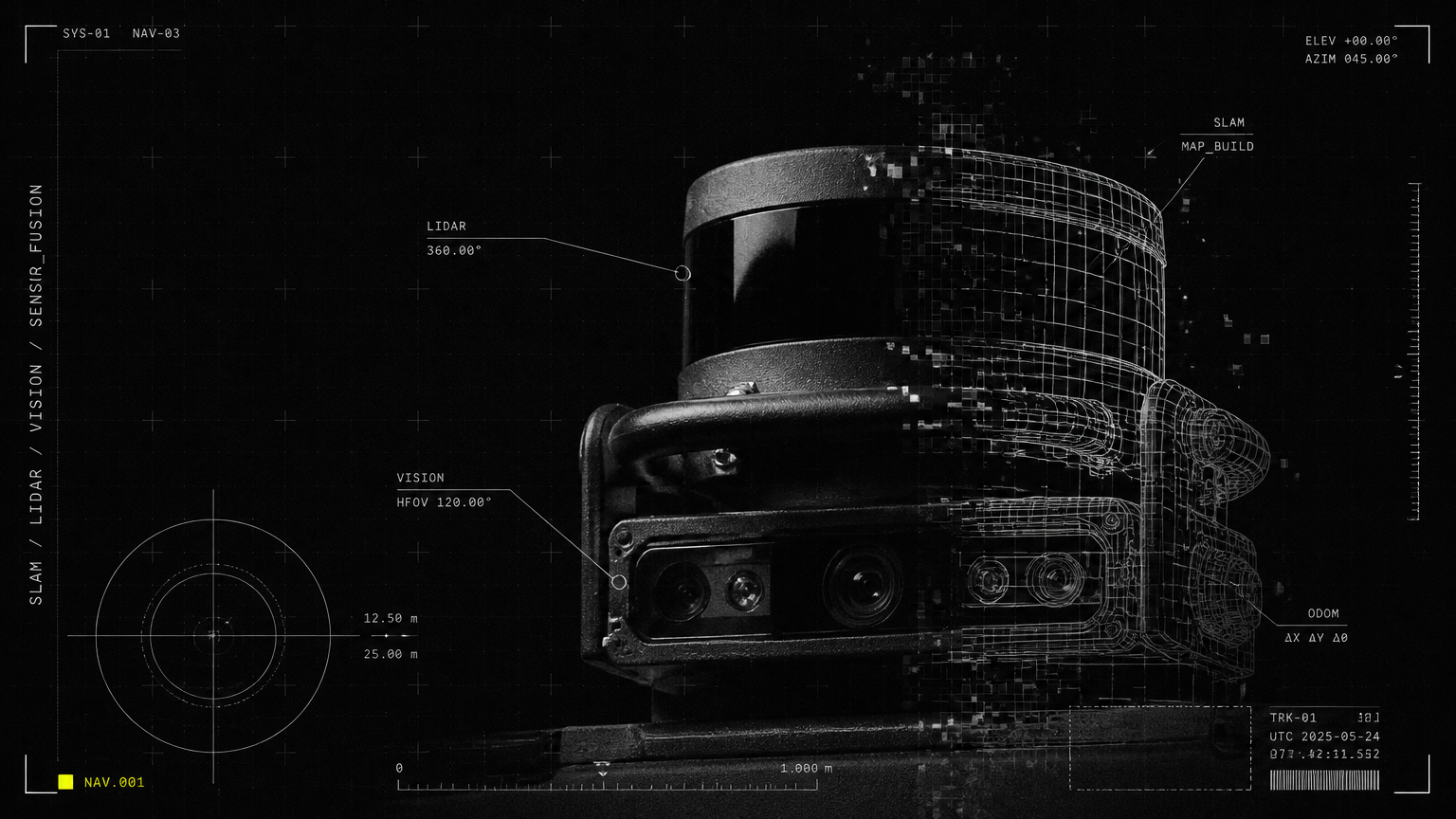
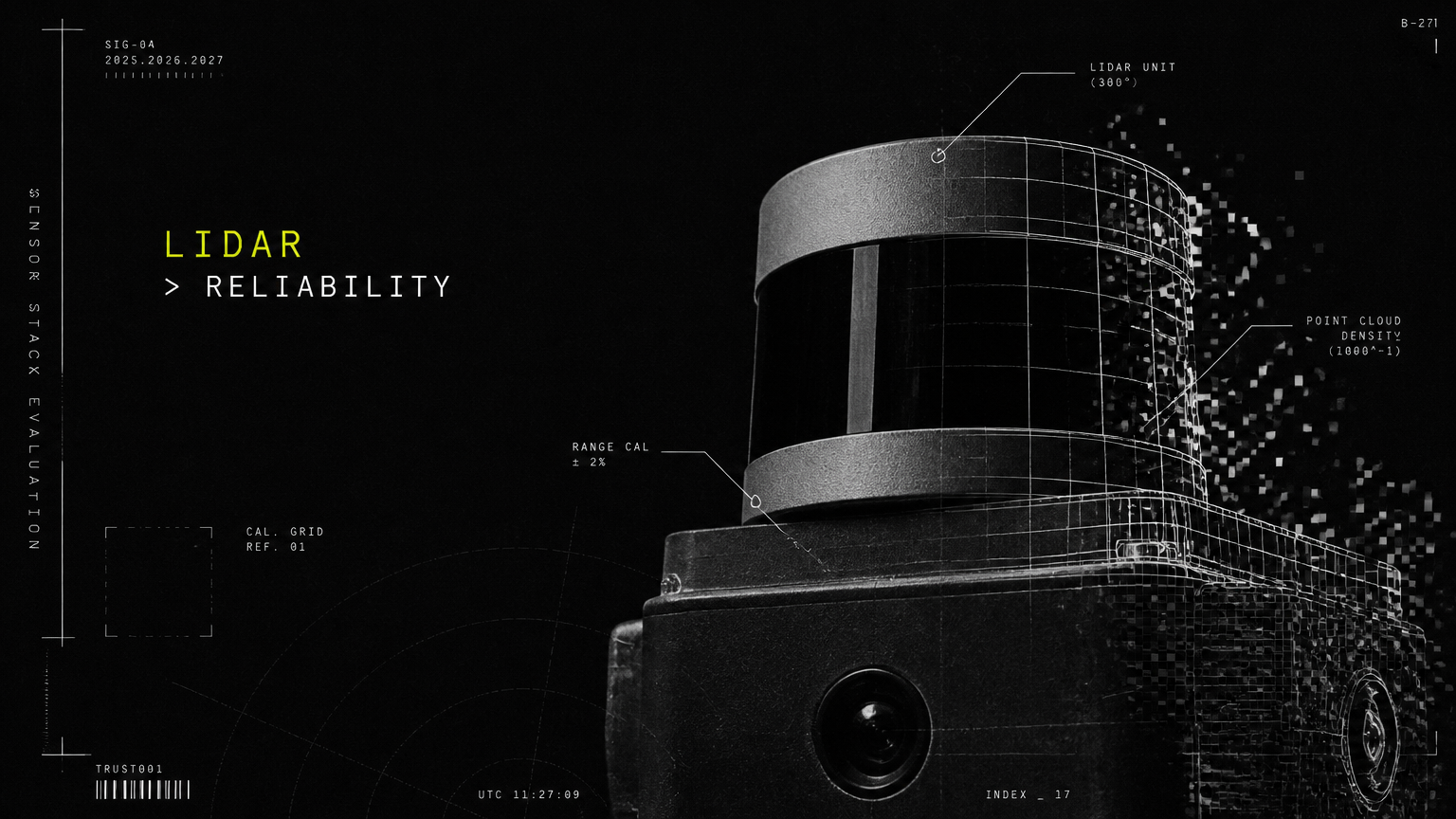
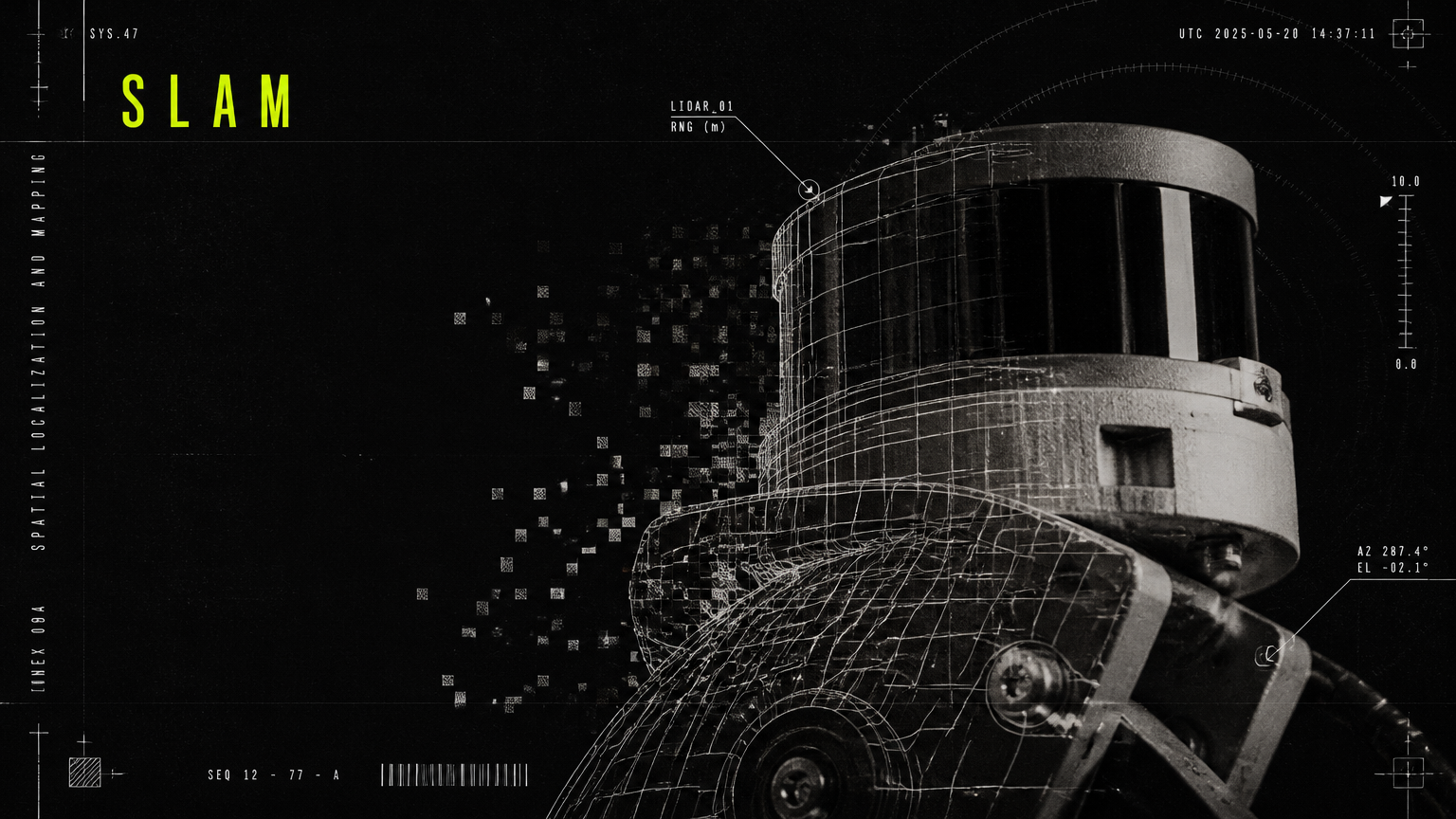
- Sensors & optics: lidar, cameras, ultrasonic sensors accumulate dirt, misalignment, or calibration drift; replacement or recalibration is common past year 3–4.
- Electronics & connectors: thermal cycling and environmental exposure (dust, moisture) can cause intermittent failures in PCBs and harness connectors.
- Consumables: brushes, filters, grippers, and sealing elements hit end‑of‑life more frequently than structural components.
Performance and uptime trends
- Uptime tends to decline as mean time between failures (MTBF) shortens unless a proactive maintenance program is in place. Allbotix’s fleet-level telemetry and predictive maintenance help maintain industry-leading availability (Allbotix customers see fleet uptimes approaching 99.8%).
- Software drift: integrations with facility systems, cloud services, or third-party APIs may require updates as third-party platforms evolve. Left unaddressed, interoperability issues can reduce effective utilization.
- Safety & compliance: new standards or local regulatory changes may require firmware or hardware updates to remain compliant.
Key metrics to watch for the five-year checkpoint
- Average weekly uptime and change vs year 1
- Mean time to repair (MTTR) and mean time between failures (MTBF)
- Battery health (cycles, capacity %)
- Sensor calibration drift and error rates
- Support-contract expiration dates and SLA terms
- Total maintenance spend to date and forecasted 12-month spend
Search-intent match: If you searched for robot lifecycle after 5 years or what happens to a robot after 5 years, these are the mechanical, software, and contractual realities you'll encounter.
robot lifecycle: Extension & upgrade strategies
Extending life is almost always more cost-effective than replacing entire units — but the right mix of hardware refresh, software updates, and redeployment depends on the robot’s role, uptime targets, and fleet scale.
Practical upgrade paths
- Modular hardware swaps: replace batteries, motors, wheels, and sensor modules rather than whole robots. Allbotix designs modular assemblies so field swaps are fast and parts are stocked through Aimtron-manufactured supply chains.
- Firmware and software modernization: update navigation stacks, security patches, and API adapters. Continuous software improvements through Allbotix’s proprietary AI fleet-management platform keep older units compatible and efficient.
- Staged redeployment: move more-worn robots from high-intensity roles (24/7 material handling) to lower-intensity duties (visitor guidance, perimeter patrol) to extract remaining value.
- Predictive maintenance: use fleet analytics to preempt failures, optimize spare parts stocking, and plan service windows that minimize business disruption.
Compare upgrade vs reactive replacement vs redeploy
| Criterion | Upgrade / Modular Refresh | Reactive Replacement (Replace on Failure) | Redeploy to Lower-Intensity Role |
|---|---|---|---|
| Typical downtime | Low (planned windows) | High (unplanned) | Low–medium |
| Cost (relative) | Moderate (parts + labor) | High (full unit capex + integration) | Low (logistics + minor reconfiguration) |
| Value recovered | High (extends life 2–4 years) | Low | Medium |
| Best when | Units have modular design and firmware support | Units are obsolete or irreparable | Units still reliable mechanically but not meeting peak duty |
| Impact on ROI | Improves ROI | Degrades ROI | Preserves ROI across fleet |
Predictive maintenance vs reactive maintenance
| Metric | Predictive Maintenance | Reactive Maintenance |
|---|---|---|
| Downtime impact | Minimal (scheduled) | High (unexpected) |
| Cost over 12 months | Lower (fewer emergency repairs) | Higher (overtime, expedited parts) |
| Inventory efficiency | Optimized spare parts | Overstock or stockouts |
| Uptime outcome | Higher (closer to 99%+) | Lower |
How Allbotix helps extend life
- Proprietary AI fleet-management monitors telemetry across 525+ robots and 180+ customer deployments to predict faults and schedule preemptive service.
- In-house engineering and IP ownership enable component-level firmware updates rather than full hardware rollouts.
- 24/7 Premium Support and trade-in or refurbishment coordination reduce administrative friction and speed redeployment.
Keywords: robot upgrades after 5 years — modular upgrades, predictive maintenance, and software refreshes are the primary levers.
End-of-life options & economics: resale, refurbish, trade-in, recycle
At five years you should formalize an end-of-life decision workflow tied to economics: repair/upgrade, certified refurbishment for resale, trade-in, redeploy, or responsibly recycle. The right decision depends on residual value, strategic needs, and fleet scale.
Comparison of end-of-life options
| Option | Typical recovery value | Typical timeline | Environmental / compliance | Best fit |
|---|---|---|---|---|
| Certified refurbishment & resale ("refurbished robots for sale") | Medium–high (with warranty) | 4–12 weeks | Good (repaired to standard) | When hardware is sound but software needs modernization |
| Trade-in / OEM buyback | Medium (quick credit) | 1–4 weeks | Managed by vendor | When upgrading to next-gen fleet quickly |
| Secondary market / private resale | Variable (riskier) | 1–8 weeks | Buyer-dependent | When quick cash is needed and warranties are not required |
| Redeploy within organization | Low direct cash recovery (internally cost-saver) | Days–weeks | Low | When you can reassign robots to lower-intensity roles |
| Recycling / responsible disposal | No cash recovery | 2–6 weeks | Highest environmental compliance need | End-of-life hardware with no commercial value |
Robot resale value considerations
- Model popularity, remaining warranty, documented uptime, and service records all drive robot resale value.
- Certified refurbished robots for sale command premiums because buyers get verified performance and a short-term warranty.
- Trade-in programs simplify procurement and shorten replacement cycles but sometimes yield lower direct cash recovery than private resale.
Estimating robot maintenance cost 5 years in
- Maintenance cost is highly variable by robot class, utilization, and environment. Typical contributors across five years include battery replacements, actuator servicing, sensor replacements, consumables, and software licensing/support.
- Using fleet telemetry, Allbotix helps customers forecast maintenance spend and produce replacement timing that aligns with ROI targets and enterprise budgeting cycles.
Example cost-to-replace decision triggers
- If annual maintenance exceeds 20–30% of replacement capex and uptime drops materially, replacement or trade-in is often justified.
- If firmware can restore performance and modular parts cost under ~15% of replacement, a refresh is typically the better call.
Compare refurbishment vs trade-in vs replace
| Criterion | Certified Refurbish & Resale | Trade-in / OEM Buyback | Full Replace (New Units) |
|---|---|---|---|
| Cash recovery | Higher (with effort) | Medium (convenient credit) | None |
| Administrative overhead | Medium (inspection, credentials) | Low | Low (procurement) |
| Time to redeploy | Weeks | Weeks | Weeks–months (depends on procurement) |
| Best for | Maximize residual value | Fast fleet refresh | When new capability or ROI threshold requires new hardware |
How Allbotix’s in-house model helps resale and refurbishment
- Allbotix’s full IP ownership, firmware source code, and controlled manufacturing mean refurbished units can be updated to near-current software baselines — a big differentiator versus hardware-only vendors.
- Backing from publicly listed Nanta Tech Limited and scaled Made‑in‑India manufacturing via Aimtron Technologies supports spare parts availability and certified refurbishment channels, improving resale confidence.
Practical timeline and decision checklist for year five
A concise schedule to guide fleet managers approaching the five-year mark:
- 12–18 months prior: Start aggregated fleet health review — gather telemetry, maintenance spend, battery health, and MTTR trends.
- 6–12 months prior: Decide candidate units for modular upgrades vs candidates for refurbishment/resale vs candidates for replacement. Engage Allbotix for a fleet health report and cost projection.
- 3–6 months prior: Execute firmware updates and perform predictive maintenance interventions. If trading in, initiate OEM buyback.
- 0–3 months prior: Redeploy refreshed units to their new roles; place orders for replacements if needed; resell refurbished units through certified channels.
Checklist items to include in vendor discussions
- Current SLA and renewal terms (do support contracts escalate costs after year 5?)
- Spare parts lead time and pricing (Are batteries and sensor modules still stocked?)
- Firmware update cadence and support for legacy hardware
- Trade-in or certified refurbishment program details
- End-of-life recycling policy and data sanitization guarantees
Planning ROI and fleet replacement strategically
Robotic ROI timelines have compressed in recent years — from payback times of ~5.3 years in 2019 to averages closer to 1–1.5 years in many 2024 deployments — but lifecycle planning still matters. To protect ROI:
- Treat year five as a formal review milestone, not an ad-hoc repair moment.
- Use fleet-wide performance data to prioritize which robots to upgrade, redeploy, refurbish, or retire.
- Leverage vendor-supported trade-in and refurbishment programs to recover value and smooth procurement budgets.
Allbotix differentiators that support better lifecycle economics
- Diverse multi-vertical fleet reduces single-purpose obsolescence risk: a robot built for serving can be repurposed as a concierge in lower-intensity environments.
- Proprietary AI fleet-management and predictive maintenance preserve uptime and extend usable life.
- 24/7 Premium Support and certified refurbishment channels help translate older units into refurbished robots for sale with warranties and predictable resale value.
- Scale: 525+ robots developed and 180+ clients give Allbotix broad operational data to benchmark lifecycle decisions.
Closing thoughts
At the five-year mark your robots are rarely “done.” They’re at a pivot: with targeted hardware refreshes, ongoing software investment, and strategic redeployment you can extend useful life, protect uptime, and reclaim value through certified refurbishment or trade-in. Conversely, failing to plan risks rising maintenance costs, unexpected downtime, and loss of ROI.
Contact Allbotix to get a no-obligation fleet lifecycle assessment: our in-house engineering, proprietary fleet-management AI, and certified refurbishment pathways help you decide whether to upgrade, redeploy, resell, or replace—so you maintain uptime, control costs, and keep delivering precise, predictable outcomes across your facilities. Limitless innovation, precision engineering—partner with Allbotix to turn the five-year inflection point into a strategic advantage.