Yes — modern service and security robots can talk to access control and CCTV systems using standard protocols (ONVIF/RTSP), vendor APIs, SDKs and VMS integrations to exchange video streams, telemetry and event data in real time. Proper robot access control integration requires mapping events and workflows, securing the network and authentication layers, and validating privacy/compliance and operational SLAs for each vertical.
Part of our guide to Integration With Existing Systems: Integrating Robots With Your Existing Stack: WMS, ERP, PMS and POS.
Can Robots Talk to Your Access Control and CCTV? A Security Integration Guide (robot access control integration)
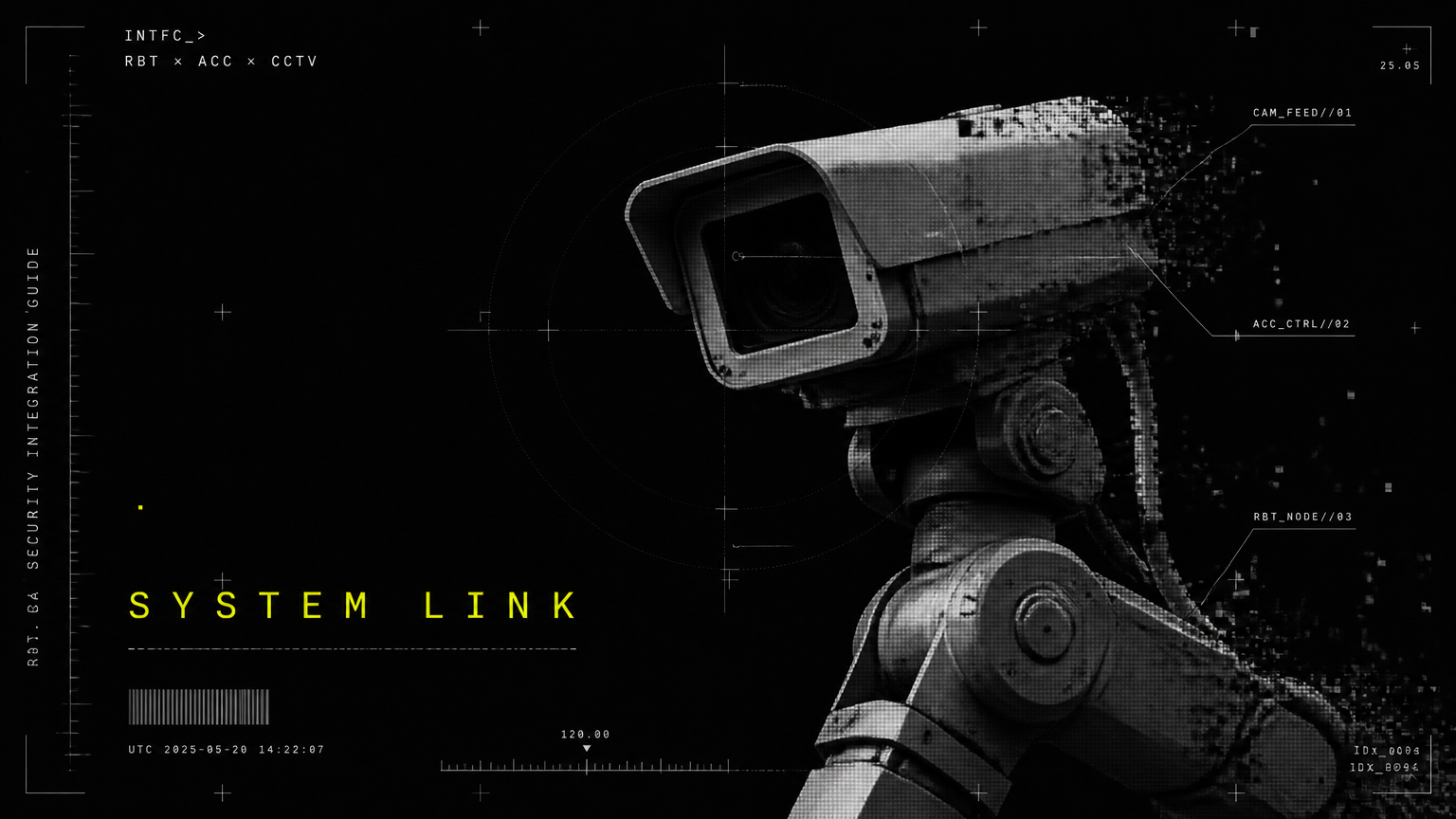
Modern service and security robots are built to integrate. Whether you’re evaluating robots CCTV integration for an office campus or planning to integrate robots with access control systems in a hospital or transit hub, the technical building blocks are standardized: RTSP/ONVIF for video, REST/WebSocket/MQTT for telemetry and events, and VMS/PSIM integrations or vendor SDKs for orchestration. Allbotix engineers and deploys a broad, multi-vertical fleet (525+ robots, 180+ clients) and pairs hardware with proprietary AI fleet-management software — giving you precision engineering and limitless innovation when you need tight CCTV and access-control interoperability.
robot access control integration: key protocols, data flows and architecture patterns
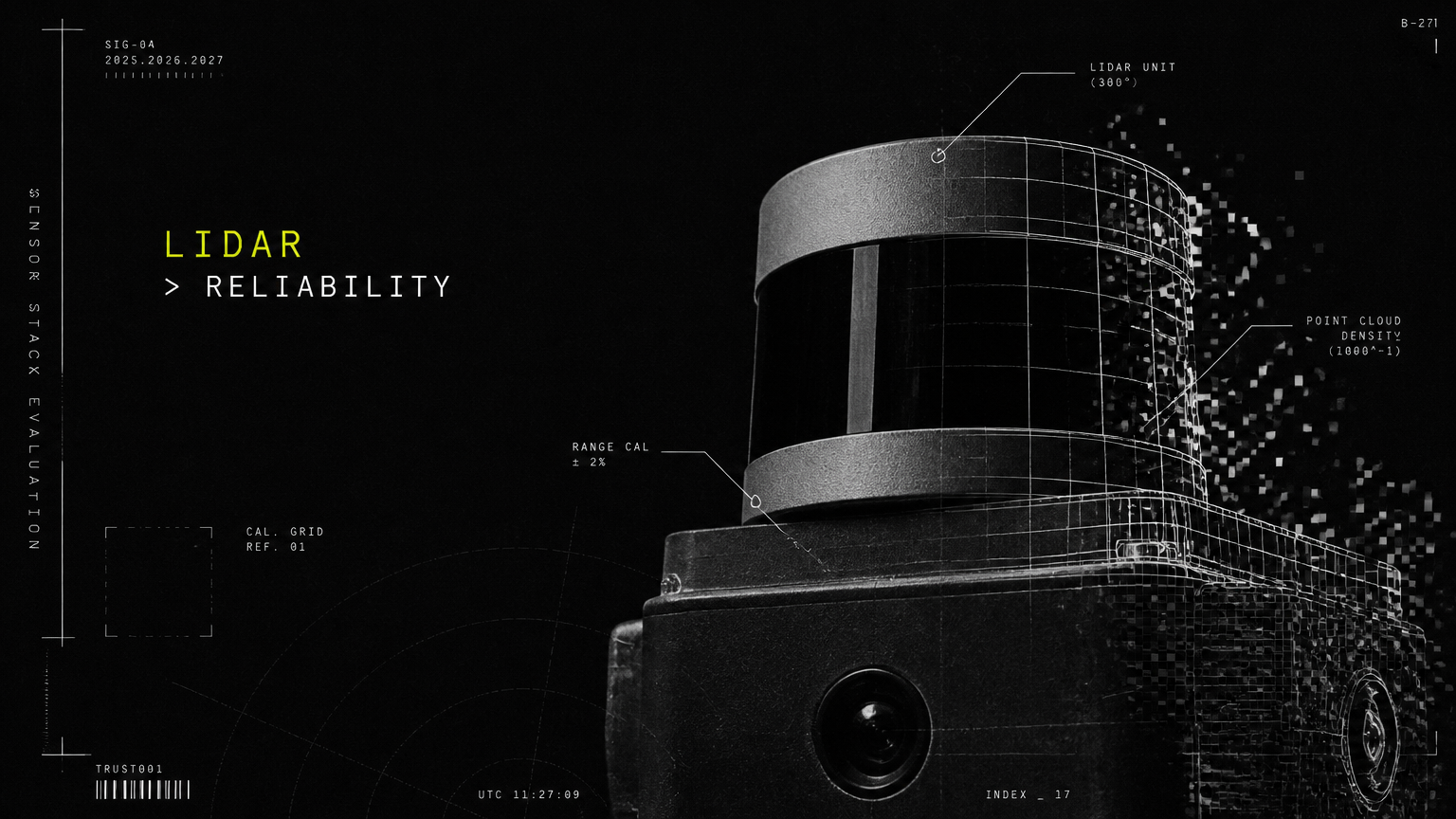
Robots commonly act as both sensors (camera streams, microphones, LIDAR) and agents (actuator commands, door release requests). Integration patterns depend on whether you need low-latency local actions (open a door now) or cloud-coordinated analytics (face match against a central directory).
Protocol and integration comparison
| Protocol / Option | Typical use | Data exchanged | Latency | Security & auth | Implementation complexity |
|---|---|---|---|---|---|
| ONVIF (Profile S/G) | Camera discovery & standardized control | RTSP URL, PTZ, metadata, event notifications | Low (local LAN) | TLS/Basic/Digest; profile-level support | Medium — widely supported by VMS & camera vendors |
| RTSP (H.264/H.265) | Raw video streaming | Video/audio streams | Low | Typically runs over TLS/RTSP-over-HTTPS for encryption | Low — simple but lacks discovery/metadata |
| Vendor REST/WebSocket APIs | Rich device control, telemetry, commands | JSON events, telemetry, control calls | Low–Medium | OAuth/Token, mTLS | Medium–High (vendor-specific) |
| VMS / PSIM Integration | Centralized recording, rules, analytics | Video, alarms, event routing | Medium (depends on VMS) | VMS auth, RBAC | Medium (requires VMS config, sometimes SDK) |
| MQTT / Webhooks | Event-driven telemetry and action triggers | JSON events, states | Low (MQTT) to Medium (webhooks) | TLS, client certs, token auth | Low–Medium |
Common architecture patterns
- Edge-first: Video stays on site (robot -> local VMS/edge server), analytics happen locally, only events/alerts sent to cloud. Best for privacy-sensitive deployments (healthcare, government) and low-latency door-control actions.
- Cloud-orchestrated: Robots stream or upload clips to the cloud for centralized AI analytics and long-term storage. Best for multi-site correlation and enterprise analytics.
- Hybrid: Robots run onboard detection models, send metadata/events (JSON) to a central VMS/FMS for correlation, and forward video on-demand for forensic review.
Data formats & event mapping
- Video: RTSP with H.264/H.265; use ONVIF for discovery/PTZ; embed timestamps and sequence numbers for sync.
- Metadata / Telemetry: JSON over MQTT/REST with standardized schemas (device_id, timestamp, event_type, confidence, location).
- Events: Map robot events (person_detected, door_request, fall_detected) to access control/VMS alarm codes; define severity and retry/failover rules.
Robot VMS integration and ONVIF robot camera integration
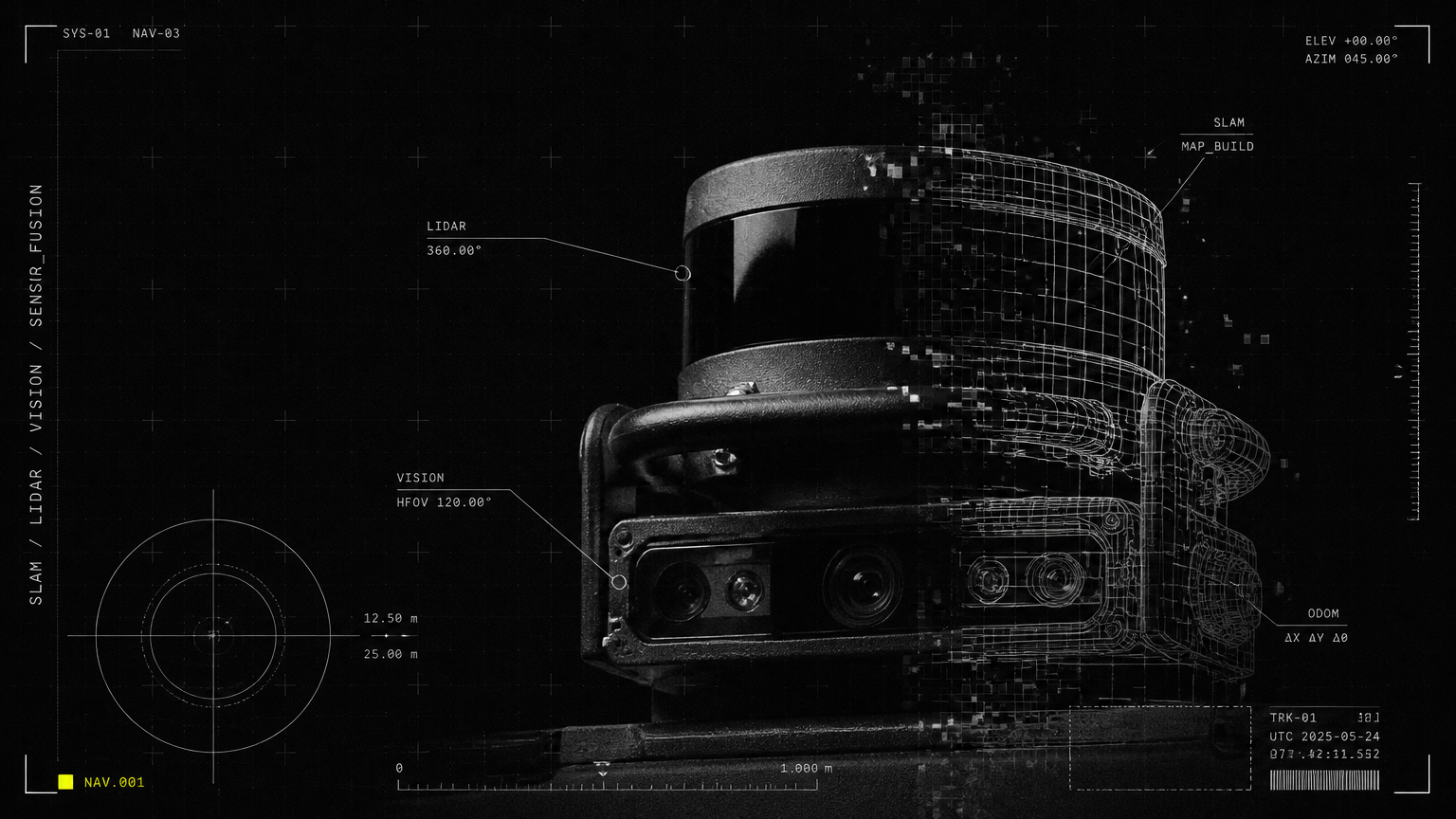
- Most Allbotix camera-enabled robots can present RTSP streams and support ONVIF discovery, enabling robot VMS integration with popular VMS vendors. Where vendors differ, Allbotix’s in-house SDK and fleet-management software bridge vendor APIs and expose normalized events for your systems.
robot access control integration: security and compliance considerations
Integrating robots with CCTV and access control expands functionality but also adds attack vectors. Tight security controls and governance are mandatory.
Edge vs Cloud security comparison
| Criterion | Edge (on-prem) | Cloud (centralized) |
|---|---|---|
| Data residency & privacy | High control, easier compliance | Requires legal review, cross-border concerns |
| Latency for door-control | Lowest (local decision) | Higher — depends on network |
| Bandwidth demand | Lower (metadata only) | Higher (video uploads) |
| Resilience | Can be isolated / fail-safe locally | Dependent on internet connectivity |
| Patch management | Requires on-site coordination | Easier central rollout but needs secure OTA |
| Attack surface | Local network exposure | Broader exposure but centralized defenses |
Security best practices
- Network segmentation: Place robots and CCTV on dedicated VLANs; restrict access with ACLs and firewall rules. Use a zero-trust posture for inter-zone access.
- Strong authentication & authorization: Use mutual TLS, OAuth 2.0, or certificate-based authentication for APIs and MQTT clients. Role-based access controls (RBAC) in VMS and fleet-management portals.
- Encryption: Encrypt video streams in transit (RTSP over TLS / SRTP) and at rest (AES-256 or better in storage).
- Audit logging & SIEM integration: Ship robot and VMS logs to SIEM for centralized monitoring and anomaly detection. Maintain tamper-evident logs for compliance.
- Secure OTA and firmware integrity: Use signed firmware images and integrity checks; disallow unsigned updates.
- Vendor governance and supply chain: Because Allbotix engineers in-house firmware and maintains IP, you get tighter firmware provenance. Still require contractual SLAs for vulnerability disclosure and patch timelines.
- Privacy & compliance: Work with legal to map retention policies, anonymization (blurring), and access controls to meet HIPAA, GDPR, or local data protection laws.
Operational controls & fail-safes
- Define default-safe behaviors (e.g., if connectivity is lost, robots revert to local-only policies, do not unlock doors without local confirmation).
- Multi-party verification for high-risk actions: e.g., combined robot detection + access control token + guard confirmation before unlocking sensitive doors.
- Rate limits and throttles on actuator commands to prevent abuse or accident.
Practical benefits, workflows and risks by vertical
Robotic security integration with CCTV and access control unlocks operational benefits — but each vertical needs tailored workflows, fail-safes and ROI modeling.
Comparison: AI receptionist access control integration vs robotic security integration with CCTV
| Criterion | AI receptionist access control integration | Robotic security integration with CCTV |
|---|---|---|
| Primary function | Visitor check-in, badge issuance, front-desk automation | Patrols, anomaly detection, perimeter monitoring |
| Typical integrations | HR directory, access control (badge issuance), VMS for lobby cameras | VMS, PSIM, access control for remote door control, central alarms |
| Latency sensitivity | Medium (visitor flow) | High (security incidents) |
| Privacy concerns | High (PII during check-in) | High (public areas, audio/video recording) |
| Staffing impact | Reduces front-desk labor; augments concierge | Reduces patrols, augments security team |
| Example ROI | Faster visitor processing; cost-per-desk reduction | Fewer false alarms; faster incident response; reduced overtime |
Vertical-specific workflows and examples
- Corporate campuses: AI receptionist access control integration automates visitor badging and grants temporary access after ID verification; CCTV integration forwards lobby streams to security and archives clips to VMS. Benefit: lower front-desk staffing and consistent visitor policy enforcement.
- Government & public services: Edge-first deployments keep sensitive footage local; robots can escort visitors, log interactions and generate tamper-evident audit trails for transparency.
- Retail & Malls: Patrol robots integrated with CCTV can detect theft patterns, queue congestion, and forward high-confidence events to central security or loss-prevention teams.
- Education: Campus AMRs and receptionist robots can do visitor vetting, while patrol robots scan corridors after hours, forwarding suspicious-event clips to campus police.
- Healthcare: Combine infection-control workflows with access control: robots detect unauthorized entry to restricted zones, and CCTV clips are stored for incident review under HIPAA-compliant policies.
- Hospitality: Robots can validate check-ins, update room access credentials, and send concierge events to VMS for safety monitoring.
- Manufacturing & Logistics: Robots integrated into access control can manage dock access, verify certifications, and pair CCTV footage with machine telemetry for investigations.
- Airports & Transit Hubs: High-density and high-security areas benefit from hybrid edge-cloud models with automated threat-scoring, immediate local interdiction and centralized cross-site correlation.
Risks to manage
- False positives/negatives in automated decisions — always include human-in-the-loop for critical decisions.
- Operational complexity — maintain a clear support escalation path (Allbotix offers 24/7 Premium Support and SLAs).
- Privacy litigation — define retention, anonymization and consent workflows up front.
Planning a deployment: checklist & SLAs
High-level deployment checklist
- Use-case definition: Define events that require robot intervention vs. human escalation.
- Systems inventory: VMS vendor, access control vendor, network topology, directory services.
- Protocol mapping: Confirm robot RTSP/ONVIF endpoints, API schemas, and VMS connectors.
- Security review: Network segmentation plan, auth flows, certificate management.
- Edge vs cloud decision: Select architecture based on latency, privacy, and bandwidth.
- Testing & acceptance: Interoperability tests for event mapping, PTZ control, and failover scenarios.
- Operational playbooks: Escalation, maintenance windows, incident response, data retention.
- SLA & maintenance: Define uptime targets, patch cadence, and remote diagnostics.
- Staff training: Security team, facilities, helpdesk on new workflows and consoles.
- Pilot & roll-out: Small-scale pilot, collect KPIs (MTTR, false alarm rate, visitor throughput), phased rollout.
SLA guidance and example targets
- Robot uptime target: Allbotix achieves 99.8% uptime across fleet deployments; use this as a benchmark when negotiating SLAs for critical areas.
- Patch & vulnerability SLA: Critical patches deployed within 48–72 hours of disclosure for high-risk CVEs.
- Response & repair SLA: 24/7 support with defined Mean Time to Repair (MTTR) windows per criticality level.
How Allbotix helps with robot VMS integration and deployment
Allbotix brings advantages that reduce integration friction:
- In-house engineering and firmware control: Full-stack ownership reduces compatibility gaps with access control and VMS systems.
- Diverse robot fleet: Choose the right form factor (AI receptionist, patrol robot, AMR, humanoid) for the workflow rather than shoehorning a single robot type.
- Proprietary AI fleet-management: Centralized telemetry, predictive maintenance and real-time orchestration simplify robotic security integration with CCTV and enterprise access control.
- Enterprise-grade support: 24/7 Premium Support, proven deployments across 180+ clients, and a 99.8% uptime track record mean predictable SLAs.
- Compliance readiness: Edge-first deployment options and custom retention policies enable privacy-sensitive implementations in healthcare, government and transit.
Final recommendations
- Start with a narrow, measurable pilot: pick a single use case (lobby visitor management or after-hours patrol) and validate event mappings, false-positive rates and SLAs.
- Design for human oversight on high-risk actions (door unlock, perimeter shutdown).
- Prioritize secure-by-design (mutual auth, TLS, signed firmware) and prefer hybrid architectures when privacy and latency matter.
- Use vendor-neutral standards (ONVIF, RTSP, MQTT) where possible and deploy Allbotix’s integration layer to normalize vendor APIs.
Ready to integrate robots with your access control and CCTV? Allbotix engineers precision robotics and enterprise integrations across verticals — with 525+ robots developed, 180+ clients, and a 99.8% uptime record. Contact Allbotix to design a pilot tailored to your facility, validate ONVIF robot camera integration, and operationalize robot access control integration with secure, scalable workflows.