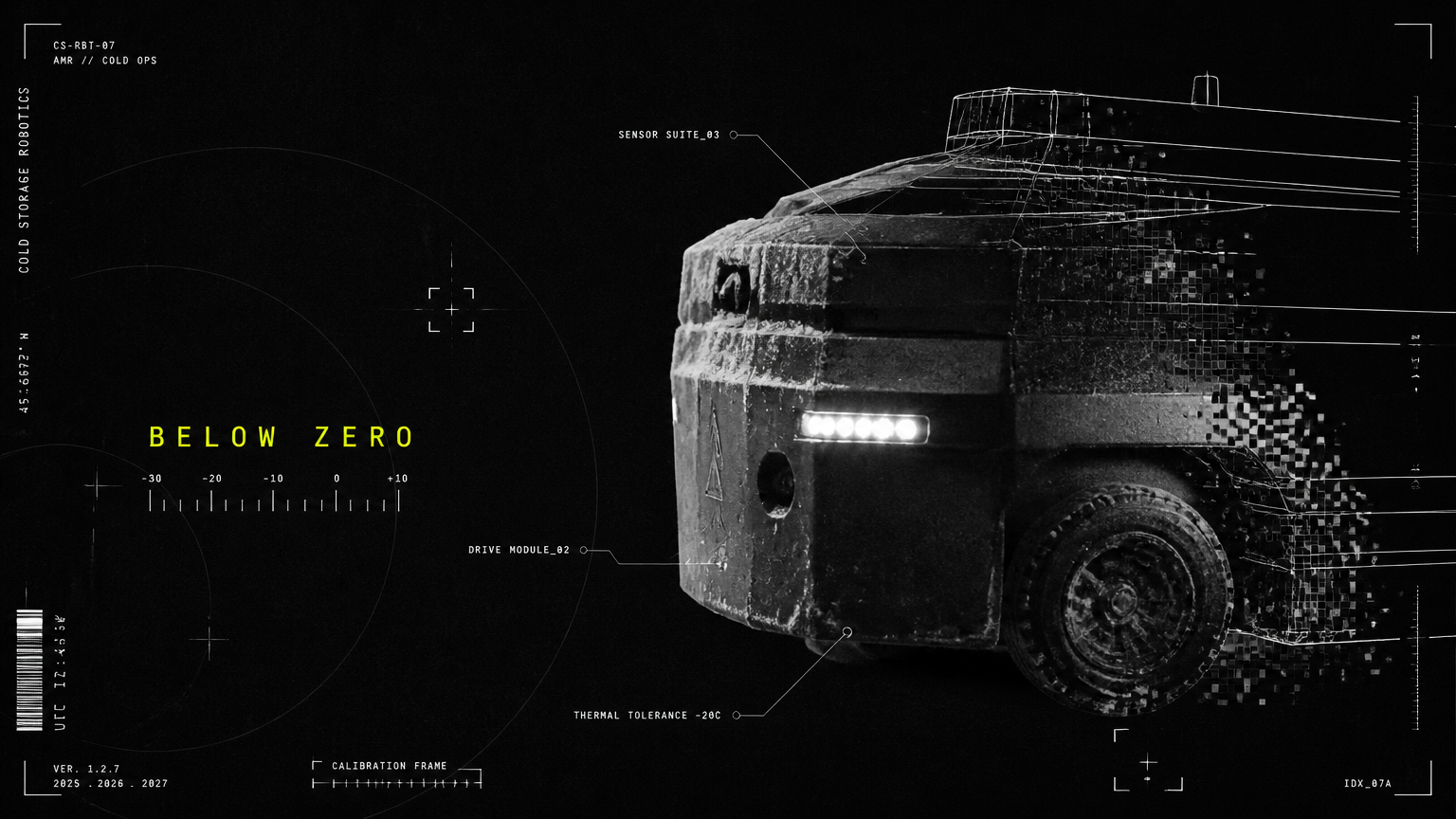
Yes — autonomous mobile robots can operate in refrigerated and frozen environments, but only when engineered or adapted for low-temperature service: that requires cold-rated components, thermal management (battery and electronics heating/warming), low-temperature lubricants and seals, sensor and material selection, and revised maintenance and operations practices. Successful deployments also need validation, SLAs for uptime, and fleet-management/software tweaks to handle degraded battery performance and sensor behaviour in sub-zero conditions.
Part of our guide to Verticals Not Yet Covered: Robots at Airports: Wayfinding, Terminal Cleaning and Security Patrol.
Cold storage robots are increasingly attractive across logistics, retail, healthcare, hospitality and campus environments where chilled and frozen goods move regularly. This post explains what “cold-rated” means in practice, the engineering and operational changes required to run autonomous mobile robots cold storage AMRs reliably, the risks to expect (batteries, sensors, lubricants, hygiene/compliance), and how to evaluate retrofitting existing AMRs versus procuring purpose-built frozen warehouse robots. Throughout, we draw on Allbotix’s experience engineering a broad multi-vertical fleet and delivering enterprise-grade fleet-management software and support.
Why cold storage robots need special engineering
Operating in refrigerated or frozen environments is not just a matter of “turning the thermostat down.” Sub‑zero temperatures change how materials, chemicals and electronics behave:
- Batteries (Li-ion) lose usable capacity and may not accept charge safely at low temperatures unless temperature-managed.
- Lubricants and seals become viscous or brittle; motor and gearbox friction increases.
- Sensors (cameras, LiDAR, ultrasonic, infrared) can fog, ice over, or produce noisy readings in condensation and rapid temperature changes.
- Plastics and composites can become brittle and fail; adhesives and potting materials may crack.
- Condensation and ice create corrosion and electrical-short risks unless enclosures are sealed and heaters are used.
Technical adaptations required for reliable cold service include:
- Cold-rated batteries and battery thermal management: heater mats, insulated battery enclosures, battery management firmware that prevents charging below safe temperatures, and pre-warm cycles before high-current draws or charging.
- Electronics heating and enclosure thermal control: thermostatically controlled heaters, temperature sensors, and thermal insulation to keep PCBs and power electronics inside safe operating windows.
- Low-temperature lubricants and upgraded seals: synthetic low-viscosity lubricants, PTFE or fluoroelastomer seals, and bearings selected for low-temp operation.
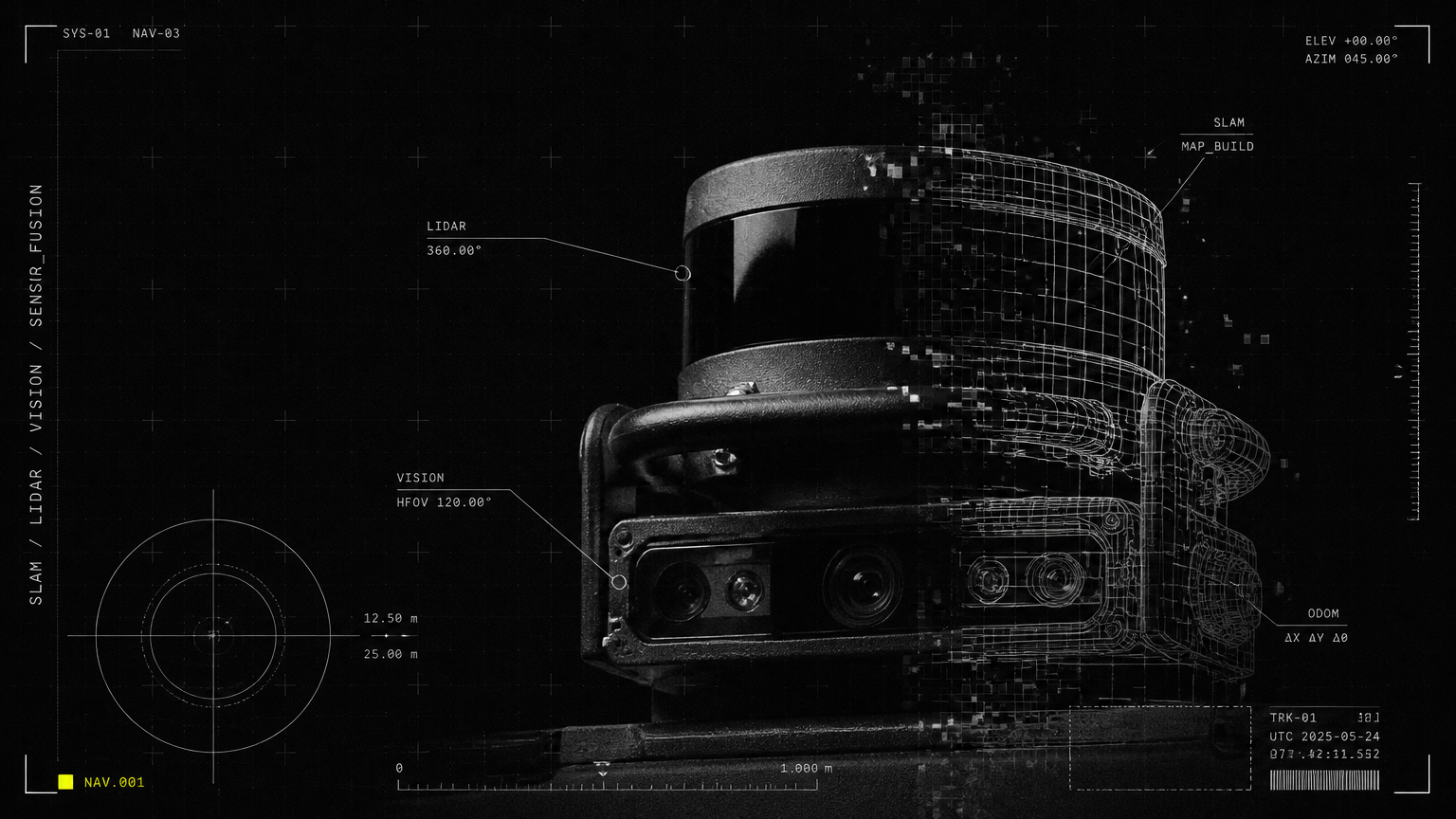
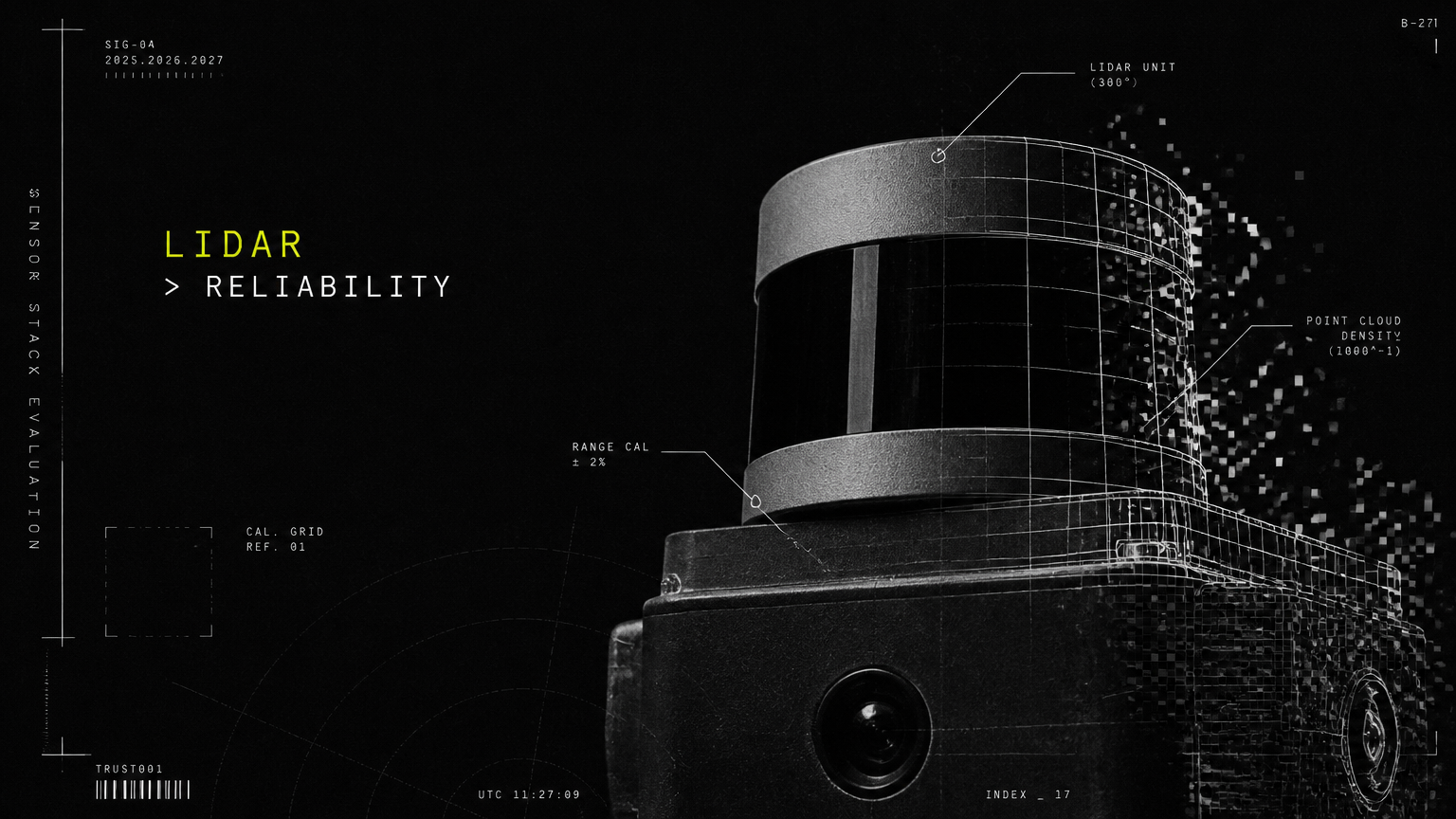
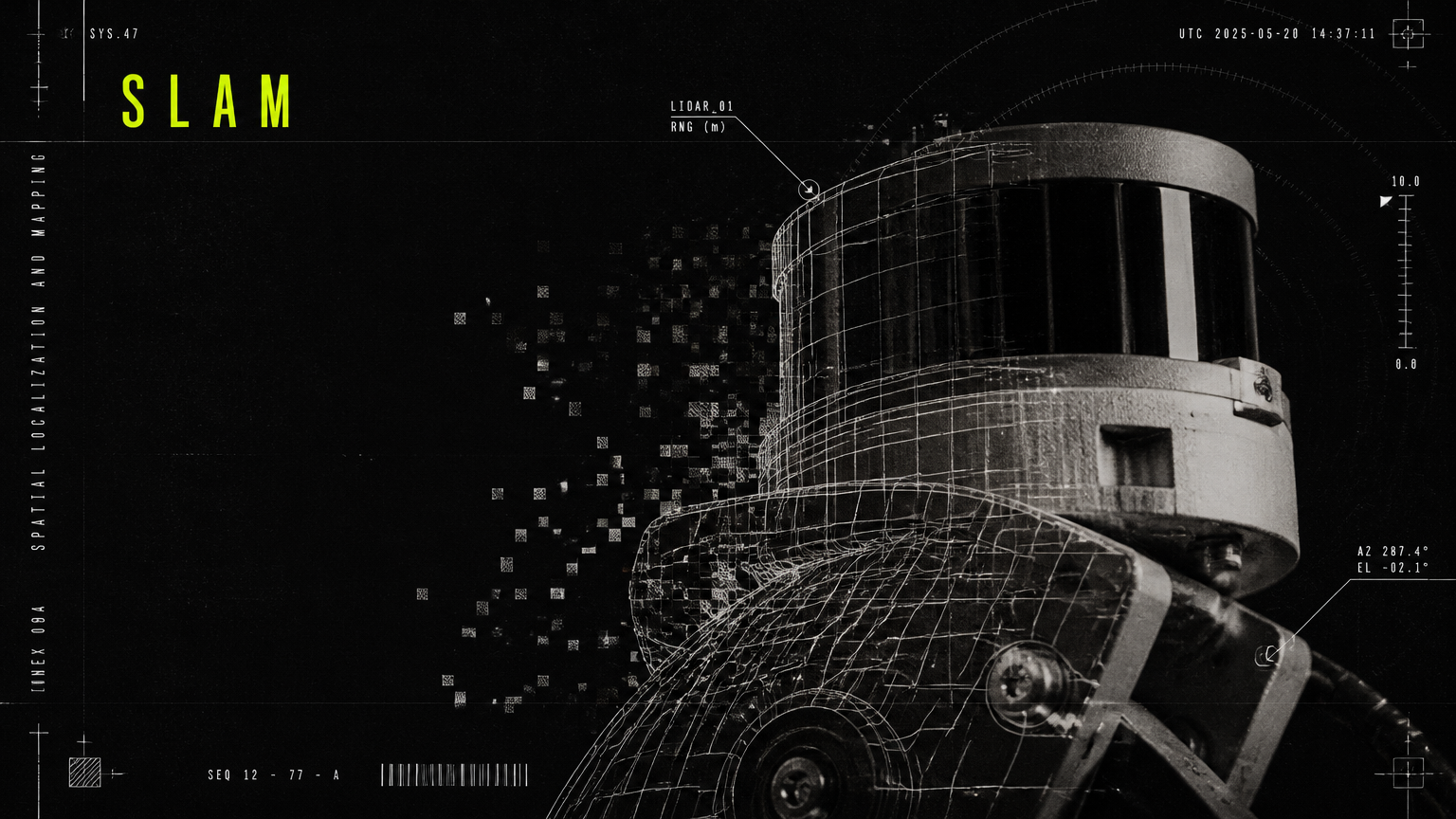
- Sensor selection and thermal measures: heated LiDAR windows, hydrophobic/anti‑fog coatings on cameras, active air purge or desiccant in sensor housings, and sensor fusion to compensate for intermittent readings.
- IP-rated enclosures and conformal coating: IP65–IP69K where washdown or humidity is expected; conformal coating on PCBs to prevent moisture-related failures.
- Chassis and drive adjustments: winterized traction control (slower accel), motor torque tuning, and drivetrain components specified for increased friction.
- Materials and hygiene design: stainless steel, food-grade polymers, and sealed surfaces for washdown compliance where food/medical hygiene is required.
Allbotix’s in-house engineering team leverages precision engineering and limitless innovation to design these modifications into AMRs and service robots from first principles. Our proprietary fleet-management software coordinates pre-warm cycles, monitors battery-health telemetry, and schedules charge windows to reduce the operational risk of cold-induced failures.
Operational impacts and lifecycle management for autonomous mobile robots cold storage
Preparing operations and maintenance for cold-chain robotics is as important as hardware selection.
- Battery runtime and charging strategies
- Expect reduced runtime at low temperature; typical lithium-ion pack usable capacity drops at sub-zero temperatures (often significantly below nominal capacity).
- Avoid high-current charging while battery is below manufacturer-specified temperature — implement pre-warm before charge or use an external heated charging bay.
- Use opportunity charging and more frequent short charges rather than deep cycles, and schedule charge windows so robots return to warm staging areas before charging.
- Maintenance cadence and preventive routines
- Increase frequency of inspections for seals, lubricants, cable jackets, and connectors.
- Apply predictive maintenance enabled by fleet telemetrics — Allbotix’s AI fleet-management software monitors vibration, battery delta, and error trends to flag early wear.
- Plan seasonal or location-based maintenance checks if ambient temperatures vary by shift.
- Fleet-management and software adjustments
- Adjust route planning and SLAs for reduced speed and shorter run-times.
- Implement cold-aware tasking: prioritize short hospital/retail runs inside warmer zones or route-fence robots to avoid unnecessary exposure.
- Telemetry-driven scheduling: use real-time battery temp telemetry to pull robots off duty before battery-temperature-related faults occur.
- Validation and acceptance testing (FAT/SAT)
- Environmental chamber testing for electronics, battery soak cycles, and sensor performance across the expected temperature and humidity envelope.
- Field pilot in representative freezer zones to validate navigation, charging, and cleaning workflows.
Operationally, expect higher preventative-maintenance frequency and slightly more conservative uptime targets unless systems are purpose-built and validated for the specific freeze-point. Allbotix’s deployments benefit from 24/7 Premium Support and predictive maintenance that supports our industry-leading 99.8% uptime across multi-vertical fleets. That said, freezer-grade AMRs still require disciplined procedures and SLAs written to include pre-warm and charging behavior.
Compliance, hygiene and vertical use-cases for frozen environments
Cold chain robotics crosses a range of regulated contexts; material choices and traceability matter.
- Food retail and manufacturing
- Use food-safe materials (stainless steel, FDA-grade polymers) and IP69K-rated washdown design for cleaning.
- Design for HACCP workflows, sanitation cycles, and CIP (clean-in-place) compatibility where conveyors or contact surfaces are involved.
- Pharma and healthcare cold chain
- Precise temperature logging and tamper-evident enclosures may be required.
- Integration with cold-chain telemetry and batch-traceability systems to log chain-of-custody for clinical supplies and samples.
- Logistics, 3PL and frozen warehouses
- Robots for pallet and tote handling must account for pallet stability under cold brittleness and for condensation on packaging.
- Dock-to-storage workflows should ensure warm staging points for charging and maintenance.
- Hospitality, campuses and airports
- Non-clinical tasks (linen transport, food tray movement) benefit from cold-capable robots but require hygiene policies and sanitization plans adapted to public spaces.
Allbotix’s design portfolio and in-house IP allow customization for these vertical-specific needs—whether that’s a stainless-steel deck for food service, validated temperature-logging modules for pharma, or modified chassis for pallet-handling in frozen warehouses.
Retrofitting existing AMRs vs procuring purpose-built cold storage AMRs
When evaluating “convert vs buy,” consider reliability, schedule, cost, and compliance. The following table summarizes key trade-offs:
| Criteria | Retrofitting existing AMRs | Purpose-built cold storage AMRs |
|---|---|---|
| Initial hardware cost | Lower per-unit cost for short term (component + labor) | Higher upfront capital cost |
| Time to deploy | Moderate (depends on availability of retrofit kits & testing) | Longer lead time for custom builds but faster field stability post-validation |
| Reliability & uptime | Lower unless extensively re-engineered and validated; higher risk of unforeseen failures | Higher when designed from first principles for cold; optimized for uptime |
| Battery & charging safety | Requires added battery heaters, BMS updates, and strict charging controls | Integrated thermal management and validated BMS/charging strategy |
| Hygiene & compliance | May be limited by original design; retrofits may not meet IP69K/washdown standards | Can be engineered to meet food/pharma hygiene and IP ratings |
| Maintenance complexity | Higher due to mixed components; more frequent inspections likely | Predictable lifecycle, parts designed for low-temp operation, easier SLA adherence |
| Scalability | Useful for small pilots or low-exposure zones | Better for large fleets and mission-critical cold-chain workflows |
| Total cost of ownership (TCO) & ROI | Lower up front but potential higher maintenance/rollback costs; ROI depends on pilot success | Higher capex but lower operational disruption and better long-term ROI potential |
Use this table to match your risk tolerance, compliance needs and scale plans. For mission-critical cold-chain robotics (pharma, large frozen DCs), purpose-built robots usually yield better uptime and lower long-term operational risk. For small pilots, retrofits can validate workflow before committing to full fleet replacement.
Deployment checklist and validation protocols
Before signing an SLA or rolling out, validate each item below during FAT and SAT:
- Environmental chamber tests at min/max temperatures and humidity.
- Battery soak and charge-discharge cycles with temperature telemetry.
- Sensor performance tests in fog/condensation cycles; verify sensor fusion fallback behaviors.
- Washdown and corrosion testing (if required) to IP69K or equivalent.
- End-to-end workflow dry-runs: picking/tote transfer/pallet handling under cold conditions.
- Integration tests with warehouse management system (WMS), temperature-logging systems, and Allbotix fleet-management software.
- SLA definitions: mean time between failures (MTBF), mean time to repair (MTTR), uptime guarantees, and penalties or warranty coverage for cold-specific failures.
Allbotix supports validation with lab-grade testing, in-field pilots and 24/7 support that helps clients meet acceptance criteria quickly. Our long experience across industries—525+ robots developed and 180+ clients served—means we’ve validated many of these edge cases in production.
Expected uptime, maintenance cadence and ROI implications
Cold operation will change baseline KPIs:
- Uptime: A well-engineered, purpose-built cold AMR solution can approach standard AMR uptimes; with Allbotix’s predictive maintenance and support, clients have achieved industry-leading uptimes (Allbotix fleet statistics report 99.8% uptime across our multi-vertical deployments). Retrofitted units often show reduced uptime until revalidated and hardened.
- Maintenance: Expect more frequent PM checks (seals, bearings, connectors) and seasonal inspections. Predictive analytics reduce emergency repair volume by surfacing leading indicators of failure.
- ROI: While capex may be higher for freezer-rated robots, total cost of ownership improves due to fewer emergency repairs, better SLA performance and reduced manual labor costs. Industry experience shows robotics deployments can deliver rapid payback—in many cases the broader robotics industry reports strong ROI (companies commonly see 10:1 to 30:1 ROI within 18 months for well-run deployments). For cold-chain, build in charging infrastructure and warm staging areas to protect battery life and uptime.
Final considerations
- Start with a use-case fit: high-throughput, repetitive tasks in controlled cold zones (tote transport, pallet moves, restocking) deliver the clearest ROI.
- Pilot early in the most representative cold environment and instrument telemetry aggressively.
- Specify hygiene and traceability requirements up front for food and pharma.
- Define SLA expectations and include pre-warm/charging policies in operational playbooks.
Allbotix combines precision engineering, in-house IP, and proprietary AI fleet-management software to deliver end-to-end cold-chain robotics solutions. Our multi-vertical experience—spanning reception, cleaning, serving, AMRs and cobots—means we can design purpose-built frozen warehouse robots or retrofit thoughtfully where appropriate, backed by 24/7 Premium Support and parent-company credibility with Nanta Tech Limited.
If your facility is evaluating cold storage AMRs, start with a technical audit and a cold-environment pilot run. Contact Allbotix to discuss a tailored assessment, environment validation plan, and a phased deployment roadmap that balances uptime, compliance and ROI. Limitless innovation, precision engineering—let’s design the right cold-chain robotics strategy for your operation.