Robotics in metro stations and transit hubs is practical today across five core roles: automated cleaning and disinfection, surveillance and security, passenger-facing services (information/reception), logistics/delivery and last-mile transfers, and condition-based maintenance via sensor-equipped robots. Deploying a mixed fleet with centralized AI fleet-management delivers 24/7 coverage, reduces routine staffing pressure, improves safety and cleanliness, and enables predictive upkeep that lowers unplanned downtime.
Part of our guide to Verticals Not Yet Covered: Robots at Airports: Wayfinding, Terminal Cleaning and Security Patrol.
Metro Stations and Transit Hubs: Where Robotics Fits in Public Transport — robotics in public transport
Introduction Transit hubs and metro stations present an unusually demanding environment: dense pedestrian traffic, strict safety and regulatory regimes, continuous operating hours, and a need for consistent cleanliness and service levels. For operators across corporate campuses, government infrastructure, healthcare, retail, education and airports, robotics in public transport is a practical, today-ready toolset to reduce operating cost, improve passenger experience, and strengthen safety and uptime. Allbotix brings a multi‑form-factor, in‑house engineered fleet plus proprietary AI fleet-management to these challenges — combining "limitless innovation" with "precision engineering."
How robotics in public transport delivers value across five core roles
Below is a concise mapping of the five core robot roles to specific use cases and measurable business impact you should expect when deploying robotics in metro stations and transit hubs.
| Core Role | Concrete use cases in metro stations/transit hubs | Key measurable benefits |
|---|---|---|
| Automated cleaning & disinfection | Floor-scrubbing AMRs, UV/chemical disinfection robots for platforms, waste-emptying bots in concourses | Staffing relief (reduce recurring janitorial hours by 20–50%), improved cleanliness KPIs (consistent floor/seat cleanliness, faster turnaround between peak trains), reduced infection vectors |
| Surveillance & security | Patrol robots with thermal/CCTV/AI analytics, unattended-object detection, remote-operator escort bots | Faster incident detection (minutes vs hours), reduced static guard hours, deterrence effect, incident-response time cut by 30%+ |
| Passenger-facing services | AI receptionists, multilingual information kiosks, wayfinding robots, ticketing assistance | Higher throughput at information points, lower queue times, improved passenger satisfaction (NPS uplift), fewer repetitive staff interactions |
| Logistics & delivery | Autonomous last-mile transfers (retail concessions, lost-and-found, vendor resupply), baggage/parcel shuttles inside hubs | Labor-cost savings in back-of-house logistics, faster vendor resupply, improved vendor SLAs, fewer misplaced items |
| Condition‑based maintenance | Sensor-equipped inspection robots for escalators, tracksides, HVAC ducts, asset-health scanning | Fewer unplanned outages (30–50% reduction), longer MTBF, lower corrective maintenance cost, predictive repairs that reduce downtime and OPEX |
Allbotix performance context: Our multi‑vertical fleet and fleet-management software support continuous operations — 525+ robots developed, 180+ clients, and 99.8% uptime in managed deployments — translating precision engineering into real operational availability.
Concrete station-level examples (what you’ll actually see)
- Cleaning robots that automatically switch to high-traffic patterns during rush hours and use zone-based dosing to reduce chemical use while maintaining standards.
- Security patrol robots that stream high-resolution video and alert centralized control rooms with AI-matched event classification (loitering, crowding, left luggage).
- AI receptionist robots at concourse entrances answering ticketing questions in multiple languages and deflecting 50–70% of basic queries from staffed counters.
- Autonomous carts shuttling concession stock between vendor storage and kiosks during off-peak windows with minimal human intervention.
- Inspection crawlers that run nightly checks on platform-edge gaps, escalator belts, and signage, reporting anomalies to CMMS (computerized maintenance management systems).
Operational integration for robotics in public transport
Operational success depends on integration: fleet orchestration, safety assurance, power/charging strategy, data flows, and regulatory alignment. Below we explain the operational building blocks and how a precision-engineered, in-house solution accelerates a safe rollout.
Fleet management, orchestration and 24/7 monitoring
A central AI fleet-management layer coordinates mixed fleets — cleaning bots, AMRs, security robots, and reception units — to optimize routes, avoid task overlap, and prioritize battery/charging cycles. Key capabilities:
- Dynamic task scheduling (rush-mode vs off-peak behavior)
- Centralized teleoperation fallback
- Over-the-air updates and priority patching
- Real-time dashboards with SLA alerts (uptime, task completion, battery state)
Allbotix provides proprietary fleet-management software built in-house to ensure full IP control and deep integration with client systems.
Safety, pedestrian navigation and human-robot interaction
Operating in crowded public spaces mandates robust, explainable safety features:
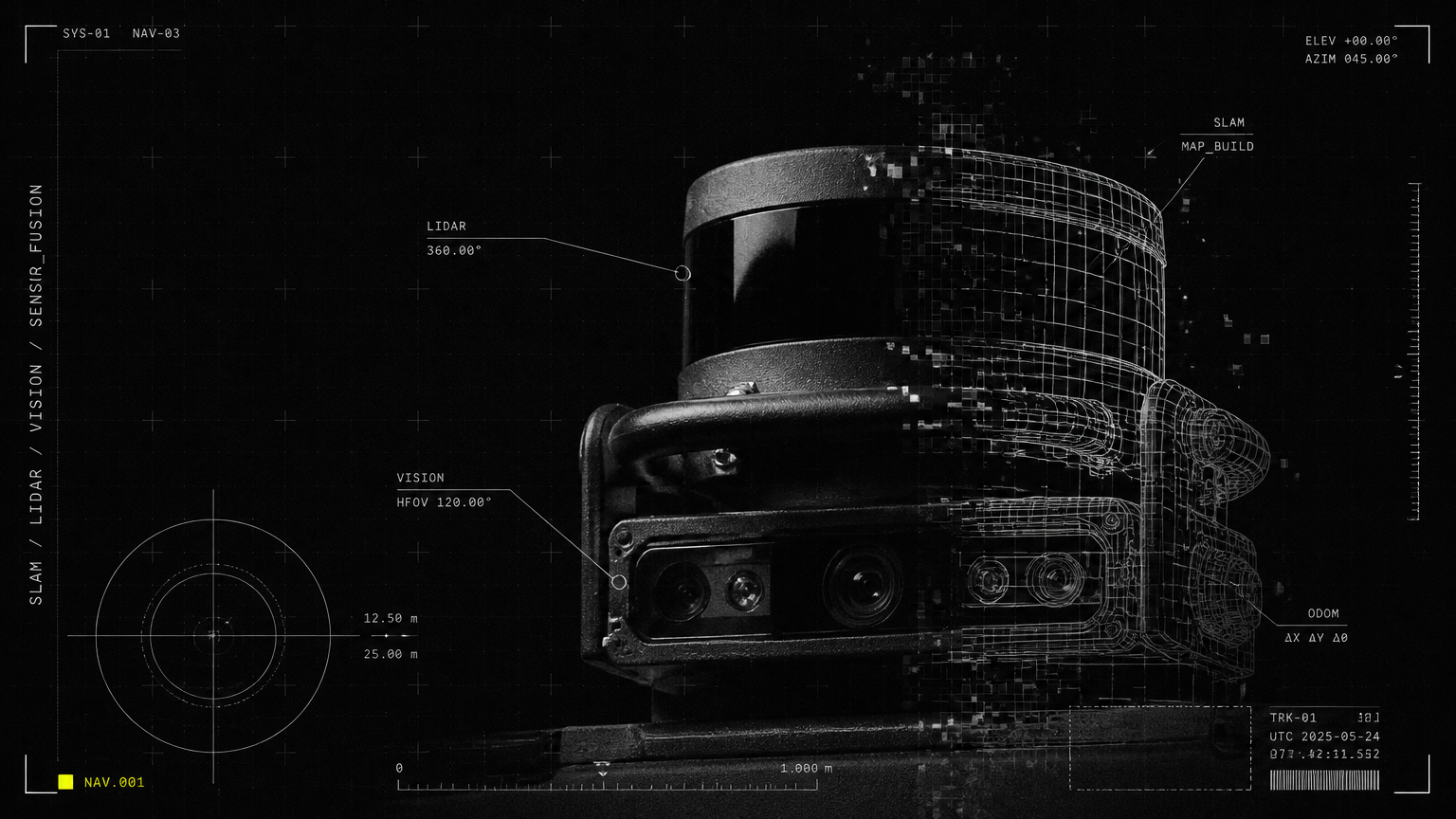
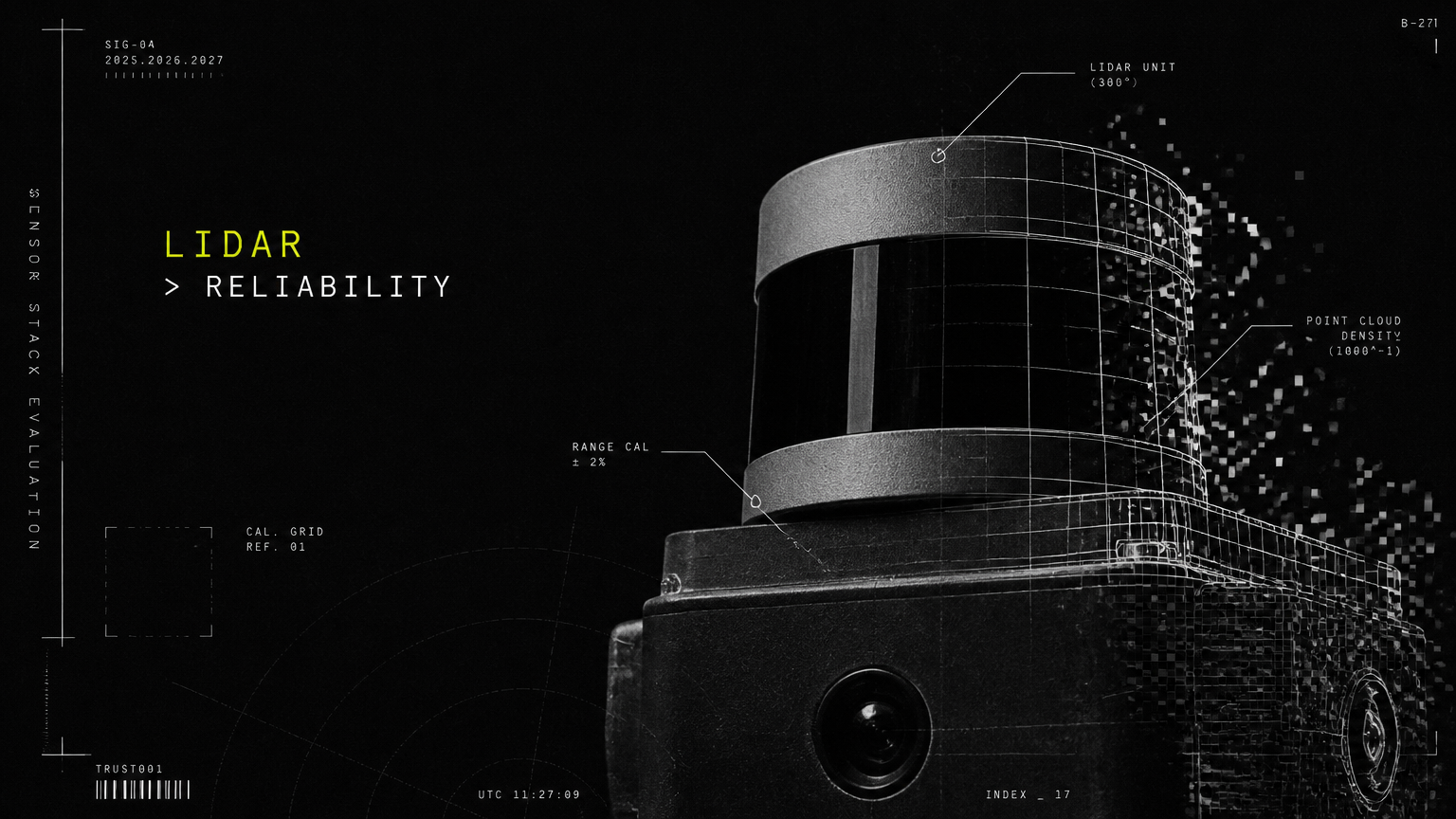
- Redundant sensors (LIDAR + stereo cameras + ultrasonic) for 360° awareness
- Intent signaling (lights, display prompts, audio cues) to increase predictability for pedestrians
- Low-speed, soft-collision tolerant designs and emergency-stop modes
- Certified safety zones and behavior testing under local transit authority rules
Regulatory, compliance and privacy
Transit deployments must balance surveillance value with privacy regulations. Best practices:
- Edge-processing of sensitive video where possible; only metadata/alerts sent to cloud
- Clear signage and policy disclosure about robot functions in public areas
- Data retention policies aligned with local privacy law
- Coordination with transit authority for permitted patrol routes and public-address usage
Power, charging and predictive maintenance
Operational availability requires a practical charging strategy and maintenance workflow:
- Scheduled opportunistic charging during off-peak windows
- Docking stations distributed across hubs for redundancy
- Predictive maintenance driven by firmware telemetry to pre-empt component failures
The advantage of in-house engineering: firmware, hardware and maintenance telemetry are unified, enabling rapid fixes and a true predictive-maintenance loop.
| Operational requirement | How Allbotix addresses it |
|---|---|
| Mixed-fleet orchestration | Proprietary AI fleet-management with cross-form-factor tasking |
| Safety-certified navigation | Redundant sensor stacks, low‑speed behavior, tested HRI flows |
| 24/7 support and uptime SLAs | 24/7 Premium Support; managed deployments with 99.8% uptime record |
| Data privacy & compliance | Edge-first analytics, configurable retention policies, local integration |
| Scalable maintenance | Predictive-maintenance platform, centralized alerts, OTA updates |
Procurement, ROI and scaling: pilot to network-wide deployment
Deploying successfully at scale requires disciplined vendor selection, clear pilot objectives, and measurable metrics that prove value before network roll-out.
Designing a practical pilot
Pilot scope should be narrow, measurable and representative:
- Choose 1–3 high-impact areas (e.g., main concourse cleaning, a security patrol corridor, or a reception point)
- Run for 8–12 weeks to capture variability across peak/off-peak cycles
- Define acceptance criteria up front (uptime targets, task SLA, incident response times, user satisfaction)
Track these pilot KPIs
- Robot uptime and mean time between failures (expectation: enterprise-grade fleets target >99% uptime)
- Cost per service unit (e.g., cost per cleaned m², cost per patrol-hour)
- Incident detection and response times
- Staff hours reallocated (FTEs recovered)
- Passenger satisfaction metrics (surveys, queue times, NPS uplift)
| Pilot vs Scale: what changes | Pilot-phase expectation | Scale-phase expectation |
|---|---|---|
| Duration | 8–12 weeks | Continuous, across sites |
| Scope | 1–3 zones/use-cases | Full network; multi-shift coverage |
| Vendor involvement | High-touch, onsite tuning | Standardized rollouts, remote monitoring |
| Metrics focus | Validation (uptime, safety, user acceptance) | Operational KPIs (cost per service, ROI, SLA compliance) |
| ROI horizon | Proof of concept, initial payback | Target 12–18 months payback; 10:1–30:1 ROI per well-run cases |
Vendor selection criteria
When evaluating vendors, prioritize these capabilities:
| Selection criterion | Allbotix (in-house engineered) | Off-the-shelf assemblers / hardware resellers |
|---|---|---|
| Hardware IP & customizability | Full in-house IP; machines engineered to client specs | Limited; often third-party hardware used |
| Fleet variety | Multi-form-factor (receptionist, humanoid, dog, cleaning, AMR, cobot) | Typically single-vertical focus |
| Software & fleet-management | Proprietary AI fleet-management + predictive maintenance | May rely on third-party or fragmented software |
| Support & SLA | 24/7 Premium Support; managed deployment experience | Variable; often limited to warranty support |
| Proven uptime | 99.8% uptime in deployments | Varies by vendor; fewer enterprise references |
| Manufacturing & scale | Made-in-India, Aimtron partner; backed by Nanta Tech | Depends on vendor; may be import-dependent |
Selecting a vendor with in-house engineering and fleet-management reduces integration risk, shortens time-to-value, and simplifies long-term upgrades — all crucial when operating across many public transit sites.
Calculating ROI
Use conservative, transparent models:
- Estimate direct labor savings (hours reclaimed × fully-burdened hourly rate)
- Quantify incident-related savings (reduced theft/vandalism, fewer service disruptions)
- Include operational savings (reduced chemical use, energy-optimized cleaning)
- Account for maintenance & hosting fees (compare vendor SLA costs)
Well-executed deployments have moved robot payback from 5+ years (historical) to ~1.3 years in 2024 market norms, with some programs realizing 10:1 to 30:1 ROI inside 18 months.
Safety and stakeholder buy-in
Successful programs secure stakeholder acceptance early:
- Public communications: signage, demonstrations and optional opt-out access points
- Staff retraining: move employees from repetitive tasks to supervisory, maintenance, and passenger-assistance roles
- Transit authority alignment: safety reviews, permit processes and insurance coverage
Roadmap: from pilot to full network
- Phase 0: Requirements & site survey (3–4 weeks) — identify use cases, traffic patterns, power/comm constraints
- Phase 1: Pilot deployment (8–12 weeks) — validate KPIs, tune navigation and behavior
- Phase 2: Consolidated rollout (3–6 months) — extend to other hubs, standardize processes
- Phase 3: Network ops & continuous improvement — centralized monitoring, regular firmware updates, quarterly business reviews
Conclusion and next steps Robotics in metro stations and transit hubs is not theoretical — it's a pragmatic way to improve safety, reduce operating cost, and raise passenger experience. The winning approach combines a diverse, precision-engineered fleet with robust AI fleet-management and enterprise-grade support. Allbotix brings that combination to transit deployments: 525+ robots developed, 180+ happy clients, and a managed uptime track record (99.8%), backed by publicly listed Nanta Tech Limited. Our in-house engineering, cross-form-factor fleet and 24/7 Premium Support are designed to move you from pilot to scale with predictable ROI.
Ready to explore a pilot tailored to your station or transit hub? Contact Allbotix to schedule a site assessment and see how precision engineering and limitless innovation translate into real station-level improvements.