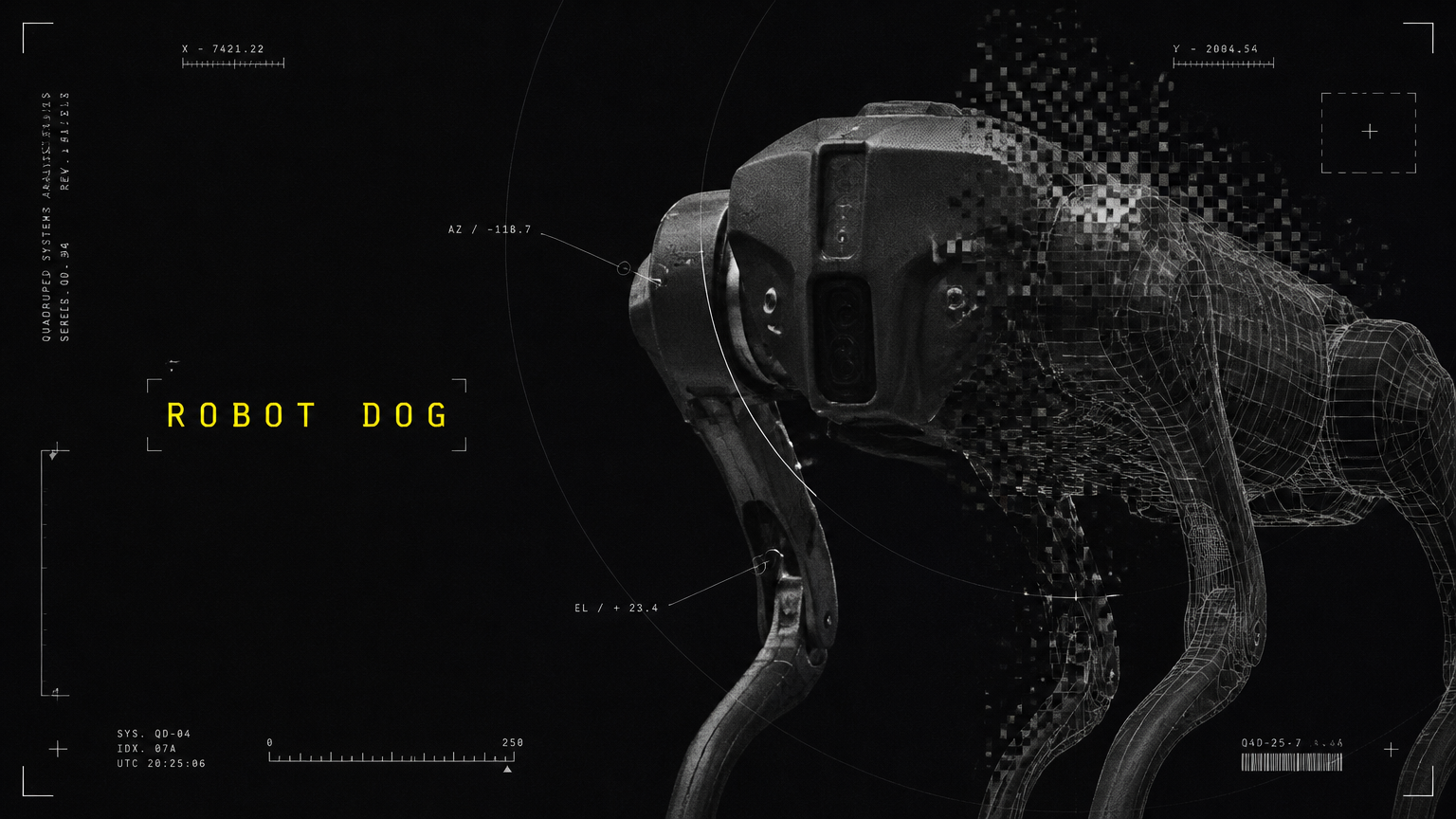
"A quadruped robot — commonly called a "robot dog" — is a four‑legged autonomous mobile robot built to traverse complex, unstructured environments and carry out tasks such as inspections, security patrols, deliveries, and facility maintenance. For business buyers, robot dogs provide mobility and access advantages over wheeled robots, can integrate with enterprise fleet‑management systems, and deliver measurable operational benefits when deployed for safety, inspection, and logistics across industries."
Part of our guide to Definitions & Comparisons: What Is an Autonomous Mobile Robot (AMR)? Definition, Types and Use Cases.
Robot dog: core capabilities and technical overview
Quadruped robots (robot dogs) are engineered for dynamic, legged locomotion. They bridge the gap between static sensors and wheeled Autonomous Mobile Robots (AMRs) by accessing stairs, rough terrain, and cluttered spaces while carrying sensors, tools or payloads.
Key technical building blocks
- Mobility: Dynamic legged gait control, compliant joints, slip recovery, and terrain-adaptive footholds allow traversal of stairs, ramps, curbs, gravel, and debris-strewn environments.
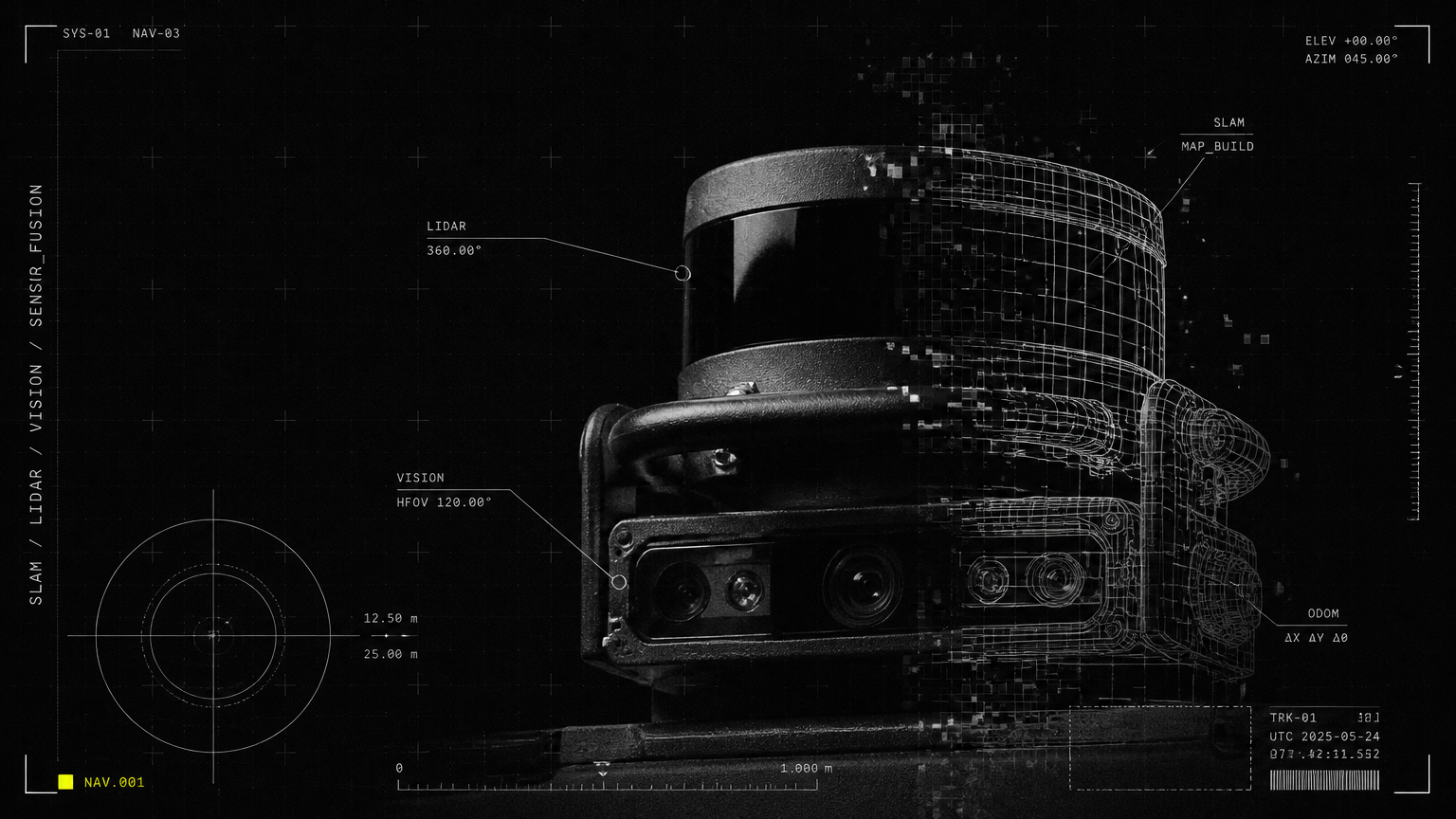
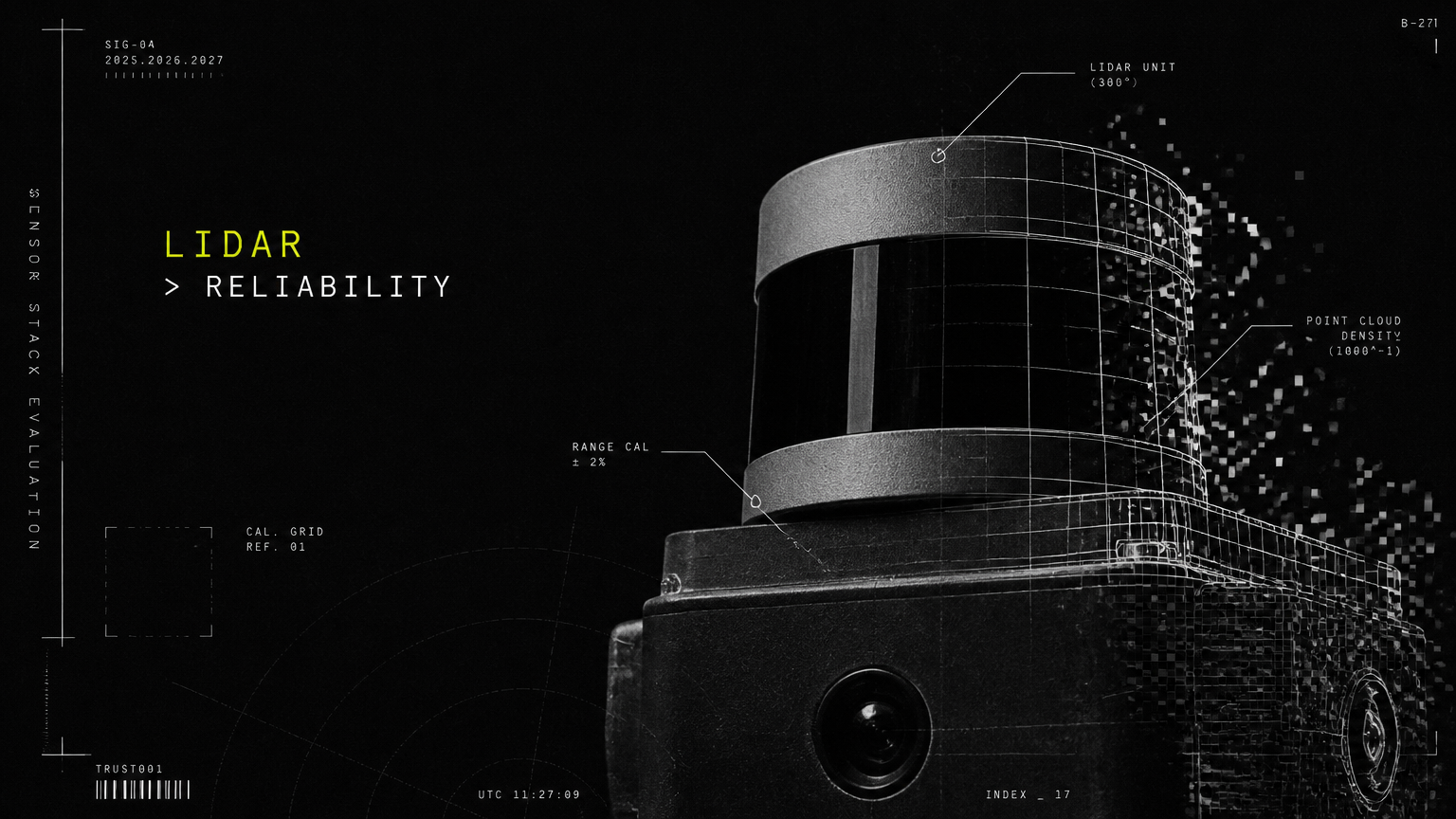
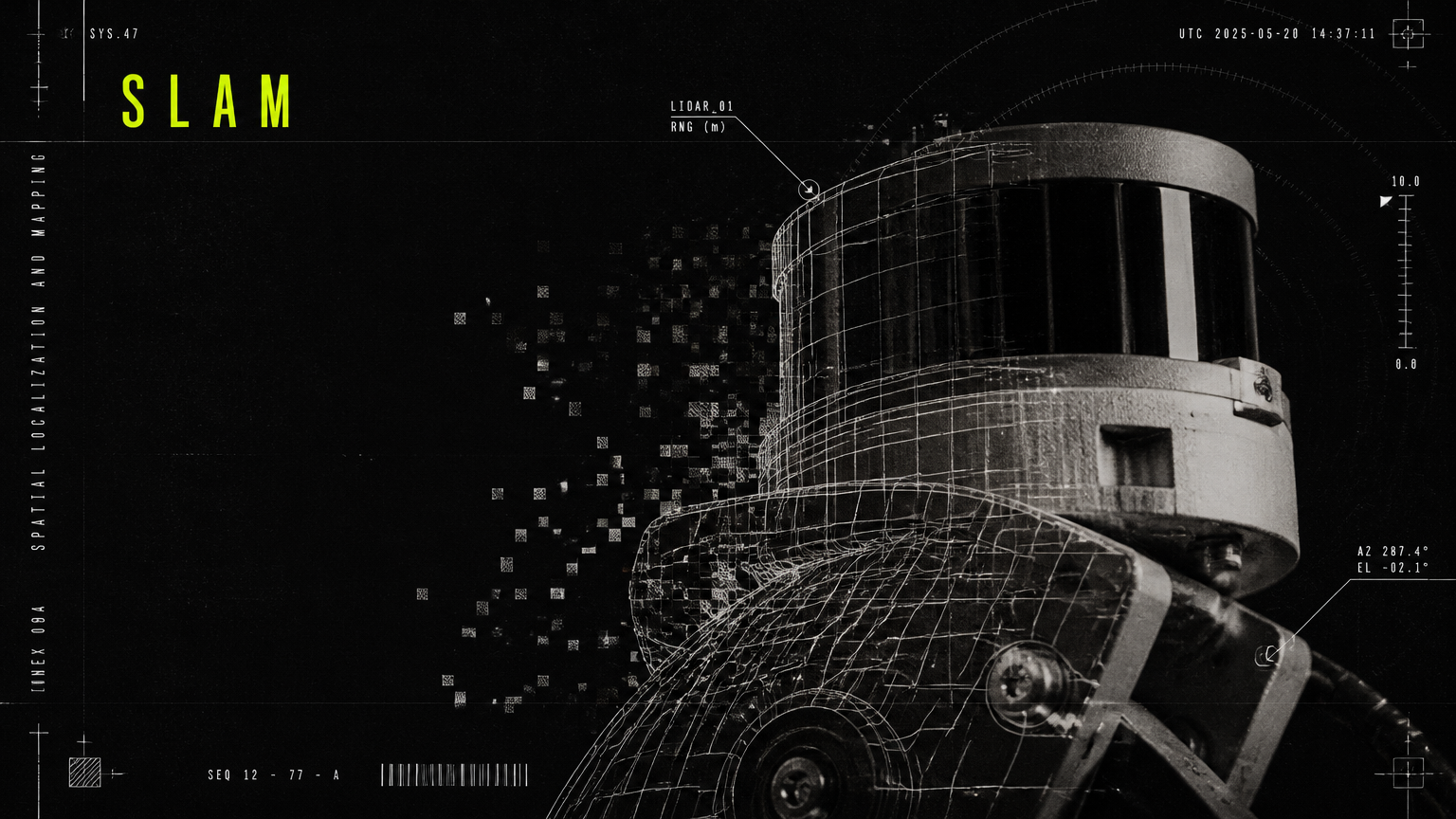
- Sensors: Multimodal packages typically include LiDAR, stereo/IR cameras, IMUs, ultrasonic sensors, thermal imaging, and sometimes gas or radiation detectors depending on mission requirements.
- Autonomy levels: From tele-operated or remotely supervised modes to waypoint navigation and fully autonomous patrols with obstacle avoidance and dynamic replanning.
- Payloads: Configurable mounts for cameras, environmental sensors, small manipulators, delivery lockers, or specialized instrumentation. Payload capacities vary by model (typically tens to low hundreds of kilograms for commercial quadrupeds).
- Battery & charging: Swappable batteries or docking-based charging systems. Typical operational endurance ranges from 2–12 hours per battery depending on duty cycle and sensors; enterprise deployments plan for battery rotation or quick-change to sustain continuous operations.
- Software & fleet management: Onboard autonomy stacks plus cloud/edge fleet-management for tasking, telemetry, health monitoring and OTA updates.
How quadrupeds operate in real environments vs. AMRs (wheeled robots)
| Criterion | Quadruped robot (robot dog) | Wheeled AMR |
|---|---|---|
| Terrain access | High — stairs, curbs, debris, uneven ground | Limited — smooth floors, ramps; stairs require elevators or lifts |
| Maneuverability in clutter | Good — can step over obstacles and reposition feet | Good in structured aisles but blocked by obstacles |
| Speed on flat surfaces | Moderate | Typically faster on flat surfaces |
| Payload integration | Flexible mounts; limited by center-of-gravity | Modular payloads designed for pallets, carts, shelves |
| Use-case fit | Inspection, security patrols, remote sensing, last‑meter delivery in unstructured spaces | Warehousing, AGV-style transport, conveyor replacement in structured environments |
| Operational complexity | Higher autonomy demands; advanced locomotion control | Lower — mature navigation in mapped indoor spaces |
Quadrupeds are not a universal replacement for AMRs; they are complementary. Use quadrupeds where mobility and access to complex environments matter. Use AMRs where high-speed, high-payload, low-complexity transport on mapped routes is the priority.
Robot dog: business use cases and industry fit
Quadruped robots are versatile across corporate, public, retail, healthcare and industrial settings. Below are concrete use cases mapped to industry needs and the typical operational benefits and ROI drivers.
Corporate campuses & co-working
- Use cases: Night-time security patrols, asset inspection (HVAC, rooftop equipment), concierge and wayfinding.
- Benefits: Reduced security staffing costs during low-traffic hours, faster incident verification, improved visitor experience.
- ROI drivers: Lowered overtime/security contract costs; fewer false alarms and faster incident response.
Government & public services
- Use cases: Perimeter patrols, remote area inspections, hazard monitoring in public facilities.
- Benefits: 24/7 monitoring without fatigue, transparency for public safety, reduced risk for human staff.
- ROI drivers: Budget predictability, reduced staffing risk premiums, lower incident response time.
Retail & malls
- Use cases: Indoor patrols, shelf-level inspection (safety, spill detection), in-mall delivery of small items.
- Benefits: Consistent brand experience, faster response to spills or safety issues, upsell opportunities through novelty experiences.
- ROI drivers: Reduced shrinkage/incident costs, improved customer dwell time, labor reallocation.
Education campuses
- Use cases: Night patrols, campus wayfinding, infrastructure inspection (lighting, HVAC, plumbing access).
- Benefits: Safety assurance, reduced security staffing gaps, efficient asset management.
- ROI drivers: Reduced incident-related liabilities, lower recurring security contracts.
Healthcare facilities
- Use cases: Non-clinical deliveries (lab samples, linens), touchless disinfection / hazard monitoring, perimeter patrols in large hospitals.
- Benefits: Reduced cross-contamination risk, freed clinical staff time, 24/7 monitoring of non-clinical spaces.
- ROI drivers: Improved throughput, compliance with infection-control regimes, lower human error cost.
Hospitality & events
- Use cases: Peak-time parcel delivery to rooms, lobby concierge duties, venue perimeter checks.
- Benefits: Consistent guest experience during demand spikes; novelty for guest engagement.
- ROI drivers: Reduced peak-hour staffing, increased guest satisfaction scores.
Manufacturing & production
- Use cases: Equipment inspection in hazardous zones, periodic thermal or vibration scans, incident response in plants.
- Benefits: Reduced worker exposure to hazards, faster identification of equipment faults, improved uptime.
- ROI drivers: Reduced unplanned downtime, preventive maintenance savings (documented studies show 30–50% reduction in unplanned downtime when automation and condition monitoring are used).
Logistics & warehouses
- Use cases: Last‑meter delivery inside warehousing complexes, inspection of mezzanines and hard-to-reach racks.
- Benefits: Improved inventory visibility, faster response to aisle blockages, supplemental tasks where AMRs can’t reach.
- ROI drivers: Improved throughput, reduced manual pick-walk time, higher fleet utilization.
Airports & transit hubs
- Use cases: Perimeter and concourse patrols, infrastructure inspection, crowd safety monitoring.
- Benefits: Continuous monitoring, quick verification of unattended objects, reduced human patrol fatigue.
- ROI drivers: Lower security operational cost and improved throughput during peak travel.
Operational benefits summary
- Uptime & reliability: Remote monitoring and predictive maintenance reduce unexpected downtime.
- Safety: Reduce human exposure to hazardous or repetitive tasks.
- Flexibility: Multi-role capability supports several business functions with a single platform.
- Scalability: Pilot-to-scale deployments extend benefits across multiple sites when paired with enterprise fleet management.
Robot dog: procurement and deployment checklist for business buyers
Before purchasing, use this checklist to ensure deployments succeed operationally and financially.
Procurement & technical checklist
- Mission fit: Define specific tasks (security, inspection, delivery), duty cycles, and environmental constraints (stairs, weather, noise).
- Payload & modularity: Confirm payload capacity and available sensor or manipulator integrations.
- Autonomy & integration: Verify APIs, ROS support (if required), and compatibility with your existing fleet/facility-management systems.
- Fleet-management & predictive maintenance: Ensure vendor provides telemetry, health dashboards, predictive alerts and OTA updates.
- Battery strategy: Confirm runtime, recharge/swappable battery options, and battery logistics for 24/7 operations.
- Uptime & support SLAs: Define acceptable uptime, response times for on-site service, and parts availability.
Safety, compliance & operations
- Physical safety: Sensors for human detection, emergency stop systems, compliant locomotion for crowded spaces.
- Cybersecurity: Secure communication channels, encrypted telemetry, role-based access control for fleet software.
- Regulatory compliance: Data privacy, facility-specific permits, and local robotics guidelines for public spaces.
- Change management: Staff training, standard operating procedures, and incident escalation protocols.
TCO / ROI considerations
- Acquisition costs (hardware + integration) vs. expected labor savings and reduced incident costs.
- Ongoing costs: Maintenance, spare parts, software subscriptions, and support.
- Productivity gains: Time saved on inspections, reductions in downtime, and increases in throughput.
- Payback horizon: Many well-run deployments realize payback within 12–24 months; model conservative and optimistic scenarios.
Pilot-to-scale path
- Start with a focused pilot: Validate sensor coverage, autonomy behavior, and integration with ops teams.
- Define success metrics: Uptime, incident response time, inspections completed per shift, cost per task.
- Iterate & standardize: Refine routes, battery logistics, and SOPs before multi-site rollout.
- Scale with fleet-management: Centralized tasking and predictive maintenance enable efficient multi-site operations and consistent uptime.
How to evaluate vendors for enterprise quadruped deployments
When comparing vendors, focus on engineering ownership, fleet-management capabilities, support SLAs and proven enterprise deployments. Below is a practical comparison between Allbotix, generic off‑the‑shelf assemblers, and hardware‑only vendors.
| Evaluation criterion | Allbotix | Off-the-shelf assembler | Hardware-only vendor |
|---|---|---|---|
| Engineering & IP ownership | In-house design, firmware, and source code; full IP ownership | Assembles third-party parts; limited IP control | May supply hardware but relies on third-party software |
| Product breadth | Diverse fleet across reception, humanoid, dog, cleaning, serving, AMR, cobot | Narrow — typically single form factor | Narrow or single-vertical focus |
| Fleet-management & predictive maintenance | Proprietary AI fleet-management and predictive maintenance built in-house | Limited or third-party MVMT | Often no integrated fleet software |
| Enterprise uptime & support | 99.8% uptime claim; 24/7 Premium Support and SLAs | Variable; depends on third-party integrations | Typically support hardware only; software SLAs limited |
| Customization & scalability | Machines engineered to client precision and scale; made-in-India manufacturing; Aimtron partnership | Limited customization; often off-the-shelf constraints | Custom options possible but slower due to third-party dependencies |
| Proven deployments | 525+ robots developed; 180+ clients across verticals | Few enterprise proofs; mostly pilots | Enterprise cases vary by vendor |
| Financial & corporate backing | Backed by publicly listed Nanta Tech Limited | Smaller, privately-held assemblers | Varies; may lack public-market credibility |
Technical due diligence tips
- Request performance data from live deployments (uptime, mean time to repair, battery cycles).
- Ask for architecture diagrams showing how robot telemetry flows into your systems.
- Insist on a staged SLA: pilot SLA, ramp SLA, and full-production SLA with response times.
- Verify spare parts lead times and local manufacturing or stocking arrangements.
Safety and compliance validation
- Ask for safety certifications or third-party risk assessments.
- Validate cybersecurity posture: encryption, authentication, incident response plan.
- Ensure the vendor provides operator training, on-site commissioning and documentation for regulatory audits.
Why Allbotix for enterprise robot dogs Allbotix combines "precision engineering" with "limitless innovation" across a broad fleet and a proprietary AI fleet-management stack. With 525+ robots developed and 180+ clients, Allbotix delivers engineered solutions rather than assembled kits — supporting enterprise-grade uptime (99.8% reported) and 24/7 Premium Support. Backed by publicly listed Nanta Tech Limited and manufacturing scaled via Aimtron Technologies, Allbotix is positioned to deliver customizable quadruped solutions that integrate into existing enterprise operations and scale across sites.
Deployment examples and expected metrics
Typical early-stage pilot metrics to validate include:
- Patrol coverage per shift (km or number of checkpoints)
- Mean time between failures (MTBF) and mean time to repair (MTTR)
- Incident verification time reduction (minutes)
- Labor hours reallocated per week
- Maintenance cost per robot per month
Enterprise pilots often aim to demonstrate a 10–30% operational efficiency gain and concrete reductions in overtime or contractor spend before scaling.
Limitless innovation with precision engineering — that’s the approach Allbotix applies when tailoring quadruped robots for specific enterprise needs. If you’re evaluating robot dogs for security, inspection, delivery, or facility automation, a structured pilot with clear KPIs and integration into your fleet-management systems is the fastest path to measurable ROI.
Contact Allbotix to design a pilot, review live-case metrics, or schedule a demo of our commercial quadruped robots and fleet-management platform.