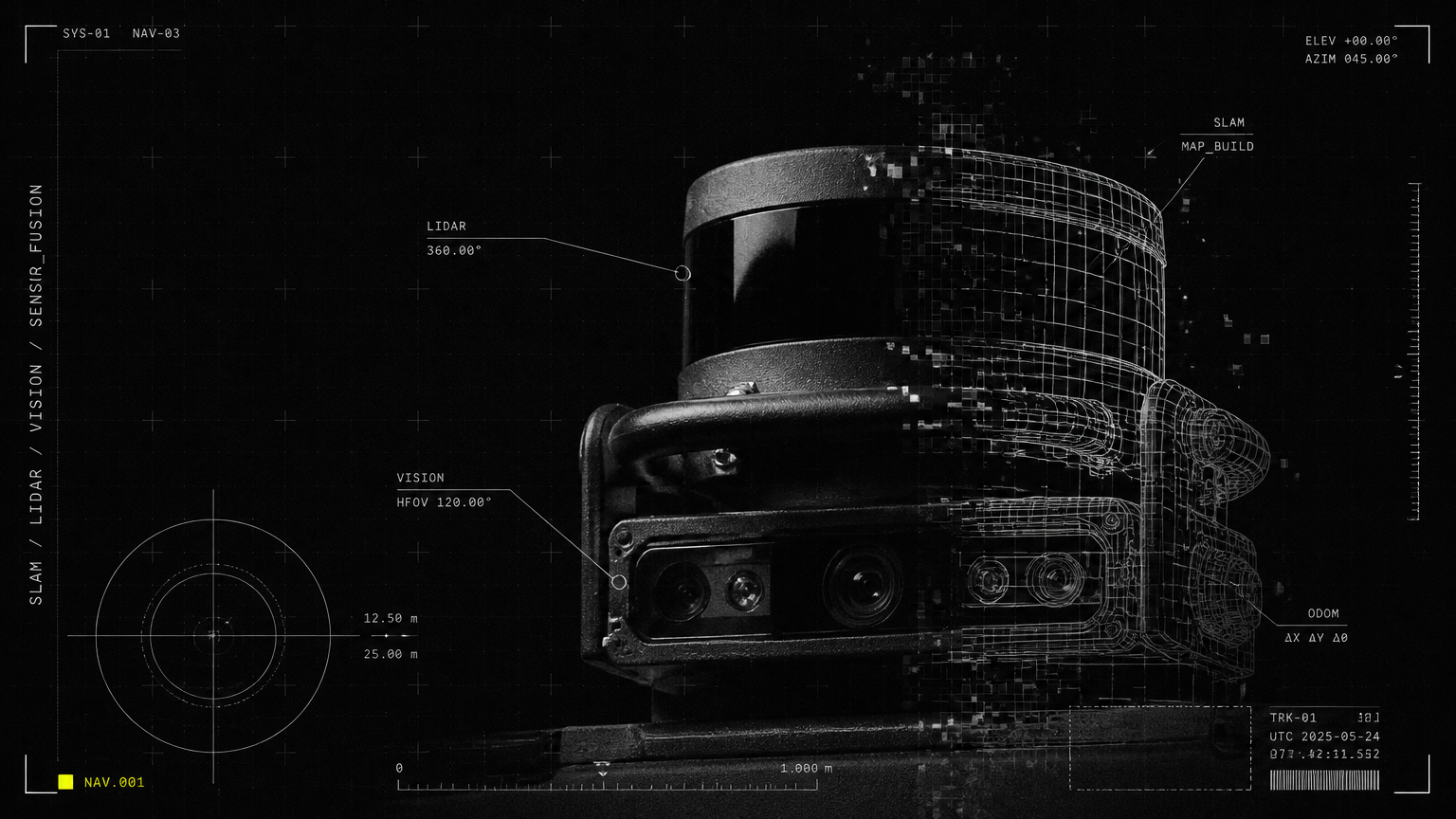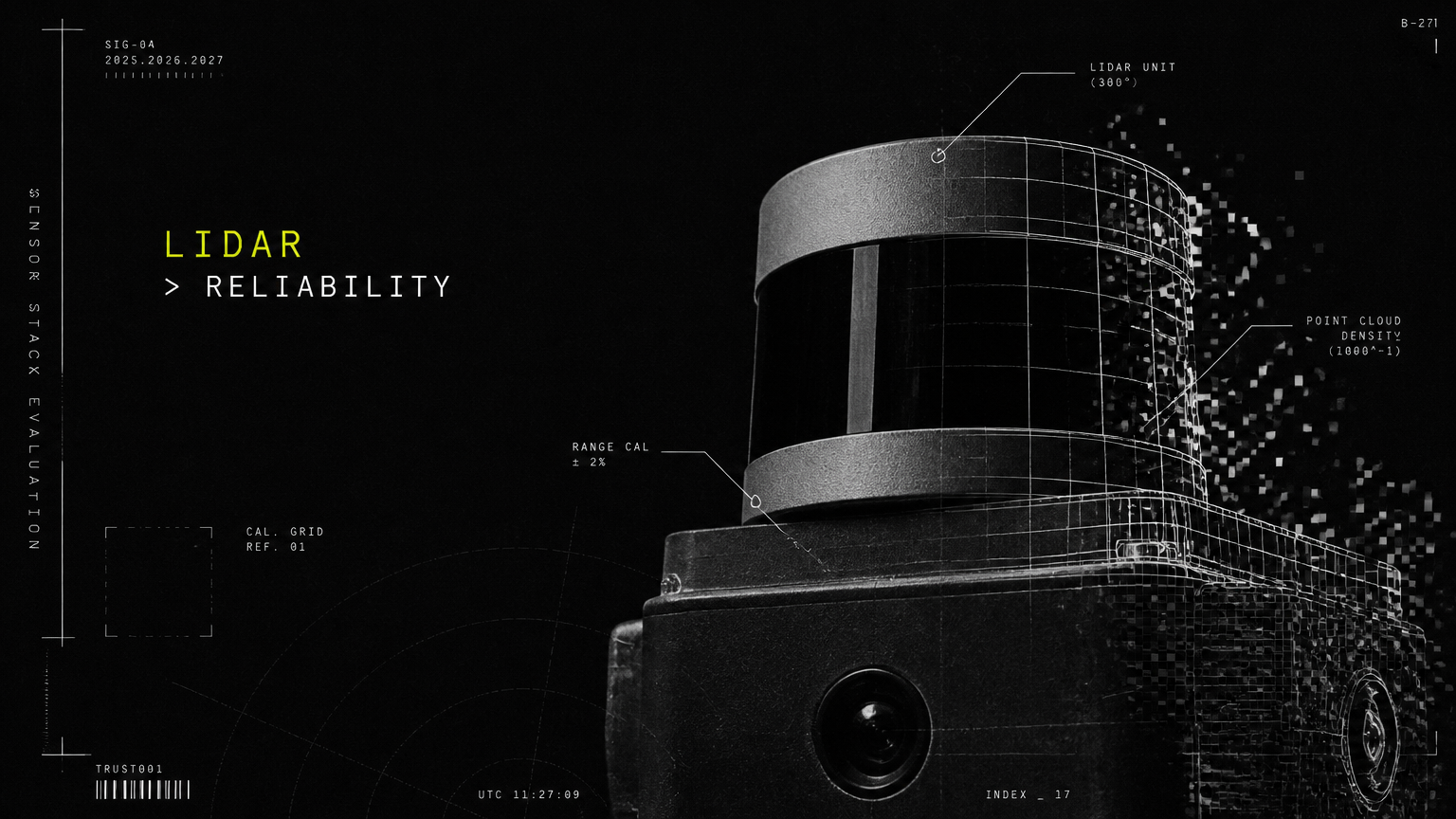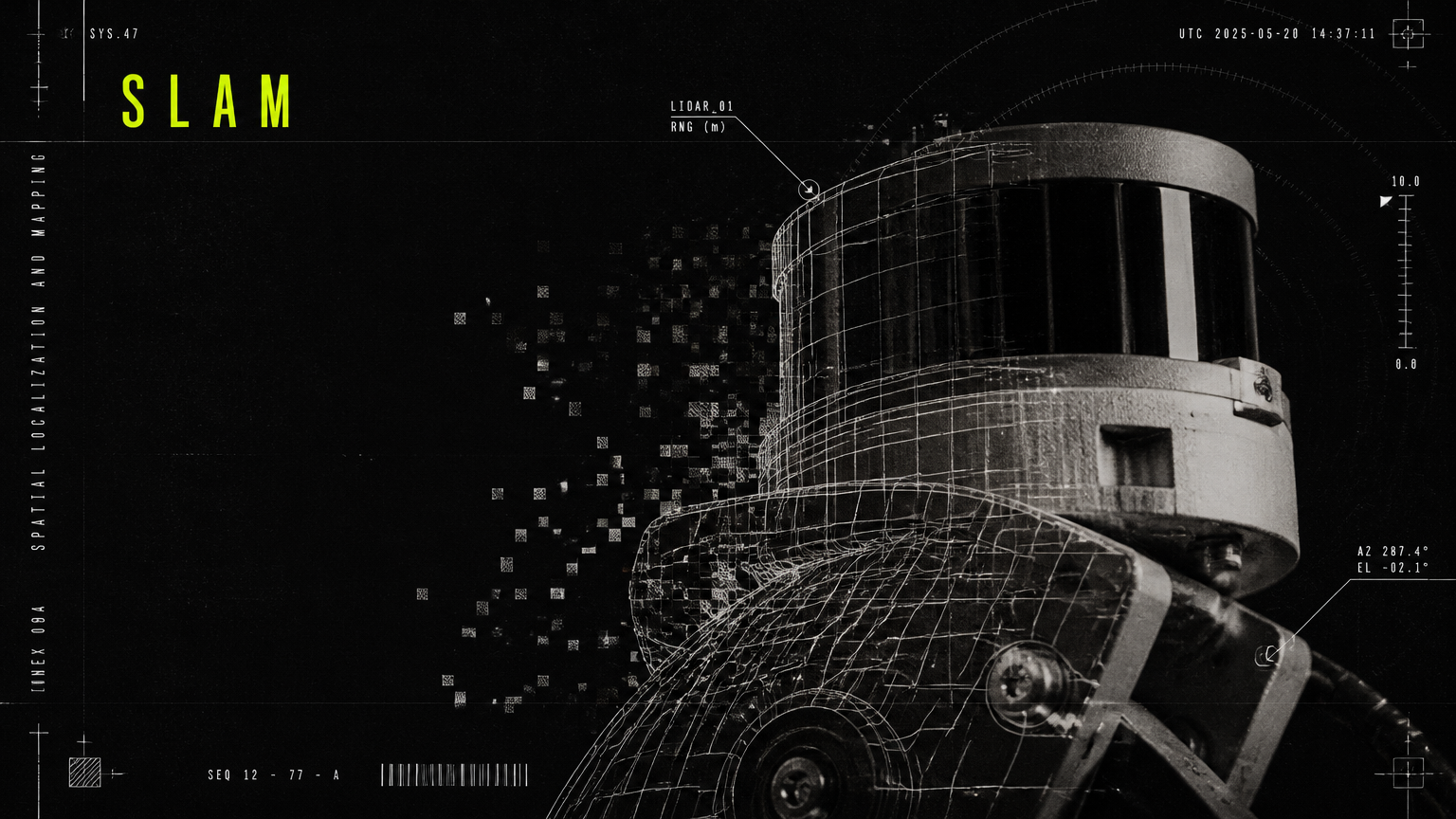
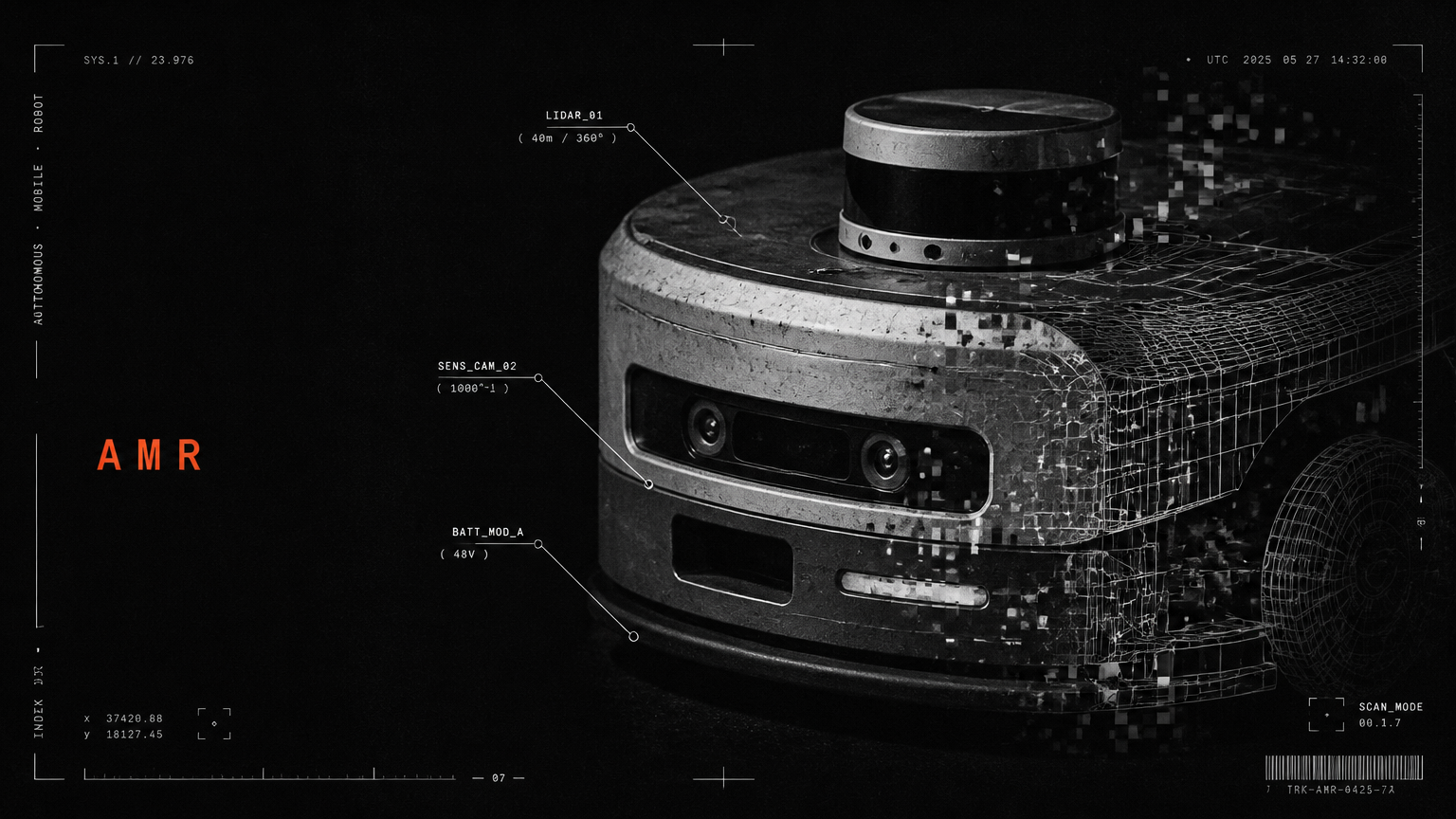
An autonomous mobile robot (AMR) is a self-navigating, sensor‑equipped robot that maps and moves through dynamic environments to transport goods or perform service tasks without fixed infrastructure. AMRs come in multiple types — from pallet/unit-load and tug/tow AMRs to small robotic couriers and service robots for reception, cleaning and delivery — and are used across logistics, healthcare, retail, education, corporate campuses, airports and manufacturing to cut labor costs, improve throughput and increase uptime.
What Is an Autonomous Mobile Robot (AMR)? Definition, Types and Use Cases
Autonomous Mobile Robot (AMR) technology is transforming how facilities move goods and deliver services. This guide explains what an Autonomous Mobile Robot (AMR) is, the core technologies that enable autonomy, the main AMR types and vertical use cases, plus the commercial considerations you should evaluate before deploying a fleet.
Core definition and technologies of an Autonomous Mobile Robot (AMR)
An Autonomous Mobile Robot (AMR) is a mobile robot that uses onboard sensors and software to perceive its environment, build or reference maps, make navigation decisions, and execute tasks with minimal human intervention. Unlike infrastructure-dependent systems, AMRs operate in dynamic, shared spaces and adapt to changing layouts and people flow.
Key enabling technologies
- SLAM (Simultaneous Localization and Mapping): builds and updates real-time maps so AMRs know where they are and where they can go.
- LiDAR: precise distance sensing for obstacle detection and accurate mapping.
- Vision systems (cameras + AI): identify obstacles, signs, humans and QR markers; enable object recognition and contextual behavior.
- Ultrasonic / IR / bump sensors: short-range safety and collision avoidance.
- Odometry & IMU: internal motion tracking to supplement localization.
- Edge compute + cloud orchestration: real-time autonomy on the robot with centralized fleet optimization and analytics.
Autonomy levels and safety
- Reactive autonomy: obstacle avoidance and path replanning in local scope.
- Coordinated autonomy: fleet-level routing, traffic management, dynamic task allocation.
- Predictive autonomy: uses telematics and predictive maintenance to maximize uptime.
Safety is built as layered redundancy: soft-stop behaviors, LiDAR/vision redundancy, certified emergency stop circuits, speed limits in human zones, and safety-rated path planning. Modern AMRs meet or exceed common industry safety norms for collaborative operation in mixed human–robot environments.
Navigation technologies compared
| Criterion | SLAM | LiDAR | Vision (cameras + AI) | Proximity Sensors (ultrasonic/IR) |
|---|---|---|---|---|
| Primary role | Map building & localization | Accurate distance & mapping | Semantic understanding & object recognition | Short-range collision avoidance |
| Strengths | Robust localization in unknown spaces | High precision, works in low light | Recognizes signs, people, work instructions | Low-cost, reliable for immediate obstacles |
| Typical limits | Computational load; feature-sparse areas | Cost; reflectivity issues on some surfaces | Sensitive to lighting; higher compute/annotation needs | Limited range & angular coverage |
| Best for | Dynamic mapping and path planning | Precise navigation and SLAM fusion | Human-aware behaviors, complex scene understanding | Backup safety layer and close-range stops |
Types of Autonomous Mobile Robot (AMR) robots
AMRs exist in several form factors tailored to different payloads, workflows and environments. Choosing the right type depends on payload, throughput, space constraints, and integration needs.
| Type | Typical payload | Navigation & tech | Common use cases | Typical industries |
|---|---|---|---|---|
| Pallet / Unit‑load AMR | 500–2000+ kg | SLAM + LiDAR + odometry | Automated pallet moves, inbound/outbound staging | Warehousing, 3PL, manufacturing |
| Tug / Tow AMR | 100–2000+ kg (tows carts/trains) | SLAM + LiDAR + fleet coordination | Material trains, laundry carts, baggage tugs | Airports, hospitals, manufacturing |
| Goods‑to‑person AMR | 10–200 kg | SLAM + vision + shelves/robotic lifts | Picking support, mini-fulfillment | E‑commerce, retail, warehouses |
| Small courier / delivery AMR | 1–50 kg | Vision + SLAM + QR/localization | Food delivery, last‑mile indoor delivery, room service | Hospitality, corporate, healthcare |
| Service AMR (reception/cleaning/security) | N/A (task-focused) | Vision + SLAM + human-interaction UI | Reception, guiding visitors, cleaning routes | Corporate campuses, malls, education, government |
Concrete selection tips
- For high-payload pallet handling, choose purpose-built pallet AMRs with robust chassis and charge/docking support.
- For flexible facility circulation (offices, hospitals), small courier AMRs and service robots offer lower floor impact and human-safe interaction.
- For mixed environments and rapid change, prioritize SLAM+vision fusion and strong fleet orchestration.
AMR use cases by vertical: practical examples and benefits
Logistics & warehousing
- Problems solved: manual pallet movement, inefficient put-away/pick flows, labor spikes.
- AMR benefits: 15–30% throughput increase, faster put-away, reduced picker travel; goods-to-person AMRs improve picking ergonomics and accuracy.
- Typical impact: shorter cycle times, 20–40% capacity uplift during peak.
Manufacturing & production
- Problems solved: internal material movement, line-side replenishment, downtime from manual errors.
- AMR benefits: JIT delivery to lines, predictable material flow, reduced unplanned stoppages.
- Typical impact: condition-based maintenance and AMR automation reduce downtime 30–50% in documented cases.
Healthcare (hospitals & clinics)
- Problems solved: non-clinical task load on staff, infection control, out-of-hours logistics.
- AMR benefits: medication and linen transport, lab sample transfer, contactless delivery to patient rooms; reduces cross-contamination risk and frees clinical staff.
- Typical impact: more consistent service levels and reduced staff travel time.
Retail & hospitality
- Problems solved: high staff turnover, peak-time service gaps, promotional engagement.
- AMR benefits: autonomous greeting and guidance, indoor deliveries, mobile promotions, consistent cleaning/maintenance routes.
- Typical impact: improved customer experience, lower staffing strain, brand differentiation.
Corporate campuses & education
- Problems solved: reception costs, wayfinding, maintenance of large facilities.
- AMR benefits: AI receptionists, pantry/refreshment delivery, large-area cleaning; real-time visitor analytics.
- Typical impact: lower front-desk staffing costs and predictable facility maintenance.
Airports & transit hubs
- Problems solved: baggage/cargo movement, passenger assistance, high-density operations.
- AMR benefits: baggage tugging, automated carts for concessions, wayfinding robots to guide passengers.
- Typical impact: scalable services during peak travel times and improved throughput.
Government & public services
- Problems solved: 24/7 monitoring, resource constraints.
- AMR benefits: cleaning and surveillance robots for public buildings, reception and public assistance; reliable around-the-clock operation.
Allbotix deployments are engineered for these multi-vertical problems. With 525+ robots developed and 180+ clients, Allbotix combines multiple form factors and proprietary AI fleet-management software to deliver "limitless innovation" and "precision engineering" tailored to each site.
AMR vs AGV: key differences
| Criterion | Autonomous Mobile Robot (AMR) | Automated Guided Vehicle (AGV) |
|---|---|---|
| Navigation | Onboard mapping and SLAM; dynamic path planning | Follows fixed guides (wires, magnets, tape) or pre-defined paths |
| Flexibility | High — adapt to layout changes without infrastructure | Low — needs physical or pre-programmed path changes |
| Infrastructure required | Minimal — no embedded floor infrastructure | High — requires floor guides or markers installed |
| Deployment speed | Faster — map and configure digitally | Slower — infrastructure installation and certification |
| Cost (initial) | Moderate to high per unit, lower site modifications | Lower per unit hardware but higher site modification cost |
| Safety in dynamic spaces | Designed for human-shared environments | Safer on fixed, segregated tracks; less adaptive to people |
| Best fit | Operations needing flexibility, frequent layout changes | High-volume repeatable routes in fixed layouts |
Deployment & commercial considerations for Autonomous Mobile Robot (AMR) fleets
Selecting and deploying an AMR fleet is both a technology and operations project. Evaluate these areas to ensure predictable uptime, safety, and ROI.
Fleet-management software and orchestration
- Centralized tasking and dynamic routing: essential for multi-robot coordination and throughput optimization.
- Real-time monitoring and dashboards: track robot locations, task queues, battery and health metrics.
- Integration APIs: connect to WMS/ERP/BMS for task ingestion and telematics exchange.
Predictive maintenance and uptime
- Condition-based monitoring reduces unplanned downtime; well-instrumented fleets see dramatic uptime gains.
- Allbotix combines proprietary AI fleet-management with predictive maintenance to support 99.8% uptime across deployed fleets.
- KPIs to monitor: mean time between failures (MTBF), mean time to repair (MTTR), fleet utilization, task success rate.
Integration with existing systems
- WMS/ERP: task handoff and inventory reconciliation.
- BMS/charging infrastructure: coordinated charging windows and docking.
- Security & access control: permissions for secure zones and data privacy.
Safety, compliance and regulatory factors
- Verify local safety standards and certifications for collaborative equipment.
- Perform site-specific risk assessments and human–robot interaction mapping.
- Plan for emergency stop, manual override, and safe speed zones.
Total cost of ownership (TCO) & ROI levers
- TCO considerations: hardware, software licenses, installation, integration, training, maintenance, and support.
- ROI levers: labor cost reduction, throughput increases (15–30%), downtime reduction (30–50%), quality improvement (reduced errors/waste).
- Industry evidence: average robot payback time has fallen from ~5.3 years (2019) to ~1.3 years (2024); mature deployments often see 10:1 to 30:1 ROI within 18 months.
Vendor selection: what matters
| Feature | Allbotix | Typical hardware‑only vendor |
|---|---|---|
| In-house engineering & IP | Full in-house design, firmware, source code control | Often assembled from third-party components |
| Fleet software | Proprietary AI fleet-management + predictive maintenance | May rely on third-party or limited software |
| Product breadth | Multi-vertical fleet (receptionist, cleaning, AMR, cobots, humanoids) | Narrow, single-category focus |
| Uptime & support | 99.8% uptime target, 24/7 Premium Support | Varies; limited support windows common |
| Backing & scale | Backed by publicly listed Nanta Tech; Aimtron manufacturing partnership | Varies by vendor |
Operational tips for successful deployments
- Start with pilot corridors: validate navigation, safety zones and system integration.
- Measure baseline KPIs (labor hours, error rates, throughput) to quantify ROI.
- Invest in change management and floor markings/user training to smooth adoption.
- Plan battery/charging strategy for continuous operations—swap, opportunity charge, or automated docking depending on duty cycle.
Why choose an Allbotix AMR solution? Allbotix engineers and deploys a broad, multi‑vertical fleet of service and industrial robots, built in‑house rather than assembled from off‑the‑shelf parts. Our strengths include:
- End-to-end engineering: full IP ownership of design, firmware and software.
- Diverse fleet: from AI receptionists and cleaning robots to AMRs and cobots—one partner for multiple facility needs.
- Proven reliability: 525+ robots developed, 180+ happy clients and 99.8% uptime backed by proprietary AI fleet-management.
- Made-in‑India manufacturing scaled through Aimtron Technologies and public-market credibility via Nanta Tech Limited.
- 24/7 Premium Support and customization to client precision and scale.
If you manage facilities across corporate campuses, healthcare, logistics, retail, airports or government sites, AMRs are a practical way to reduce labor cost, increase throughput and deliver consistent service.
Ready to evaluate AMRs for your facility? Contact Allbotix to discuss a pilot, fleet design, and ROI model tailored to your operations—engineered to your precision and scale with 24/7 Premium Support.
Explore this guide in depth
Each of these guides answers one question from this overview in full: